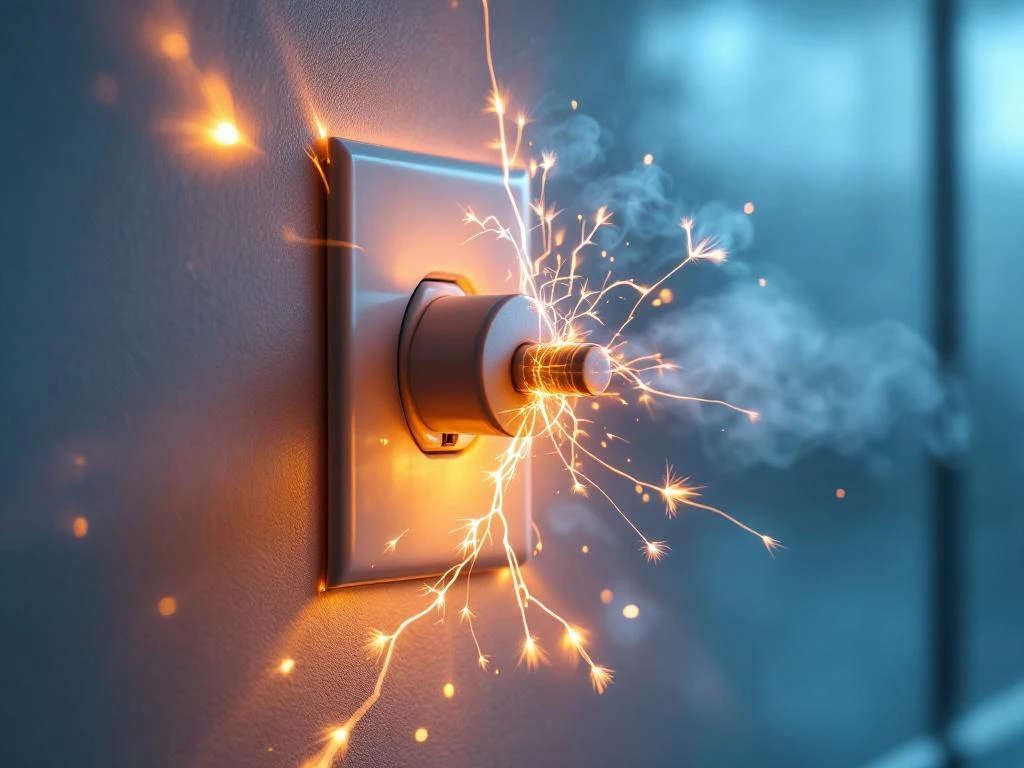
An electrical fault is considered an emergency when it poses an immediate risk of fire, personal injury, or serious property damage. This includes situations with sparks, smoke, the smell of burning plastic, hot walls or electrical outlets, and sudden power outages for no apparent reason. Emergency electrical faults require immediate action, while common problems like a single blown fuse or a broken light bulb can safely wait until the next business day.
What is the difference between a regular and an acute electrical fault?
An emergency electrical fault requires immediate action because it poses a direct threat to safety or property. This is different from regular electrical problems that can be planned for and resolved at a more convenient time. The difference lies in the level of risk and the need for a rapid response.
Common electrical problems include situations that don't pose an immediate danger. It could be a light bulb that needs to be replaced, an outlet that has stopped working, or a fuse that blows occasionally without causing other symptoms. These problems are annoying, but they don't pose an immediate threat.
Acute electrical faults, on the other hand, are characterized by clear danger signals. When you experience sparks from electrical installations , the smell of burning material, hot surfaces that should not be hot, or sudden power outages combined with other symptoms, you have an electrical emergency. Such situations can quickly develop into a fire or cause serious injuries.
You can assess the severity by asking yourself a few questions: Does it smell burnt? Do you see smoke or sparks? Are surfaces unusually hot? Do you hear buzzing or sputtering noises? If the answer is yes to any of these, you have an emergency situation that requires action now.
What danger signs indicate that an electrical fault is acute?
Several specific warning signs tell you that an electrical fault needs to be addressed immediately. These signals indicate that the electrical system is about to fail in a way that could lead to a fire or other serious consequences.
The smell of burning plastic or rubber is one of the most serious warning signs. This smell comes from the insulation around electrical wires melting due to overheating. When the insulation burns, the wires are soon exposed, dramatically increasing the risk of short circuits and fires.
Sparks from electrical outlets or fuse boxes indicate a dangerous connection or short circuit in the system. Sparks occur when electrical current jumps across a gap it is not supposed to cross, and this can ignite flammable materials nearby.
Warm walls or outlets are signs that the wiring inside the wall is overheating. This often happens due to overloading or poor connections. When you notice unusual heat coming from a wall, outlet, or switch, you have a serious problem that could develop into a fire without any visible signs on the outside.
Scorch marks around electrical installations indicate that there has been overheating or sparking in the past. Even if there is no sparking right now, scorch marks indicate that the problem could occur again at any time.
Buzzing or popping sounds from electrical installations mean that the current is not flowing smoothly. This could be due to loose connections, damaged components or overloading. Such sounds are a warning that the system is unstable and could fail suddenly.
Sudden power outages without an obvious cause, especially when combined with other symptoms such as smells or noises, can indicate a serious fault in the electrical system. This is the body's way of protecting itself, but the cause should be investigated immediately.
What should you do immediately when you discover an acute electrical fault?
Your first priority in the event of an electrical emergency is to keep yourself and others nearby safe. Act quickly, but think safety first. Follow these steps in order to handle the situation safely.
Turn off the main power switch if it is safe to do so. The main switch is usually located in the fuse box. This will shut off the power to the entire home and eliminate the immediate danger. If you have to walk through an area with smoke or sparks to reach the main switch, do not do so.
Evacuate the area if there is smoke or flames. Your safety is more important than property. Get everyone out of the home and close doors behind you to limit the spread of smoke and flames. Do not go back inside to retrieve items.
Do not touch electrical installations when you suspect a fault. Even if the power appears to be off, there may be dangerous residual current. Leave the investigation and repair to professionals. Electrical faults can be life-threatening if handled incorrectly.
Keep children and pets away from the area of the electrical fault. They don't understand the danger and may get too close or touch something they shouldn't. Establish a safe zone and explain the situation to everyone in the household.
In case of fire or immediate danger, call 911. If you see flames, smoke, or think the fire may have started inside the walls, contact the fire department immediately. They have equipment to safely deal with electrical fires.
Contact a 24-hour electrician immediately after the acute hazard has been dealt with. A qualified electrician must investigate the cause of the fault and make any necessary repairs before power can be safely restored.
When can an electrical fault wait until the next business day?
Not all electrical problems require immediate action. Many situations can safely wait until regular business hours without posing a hazard. This helps you distinguish between immediate emergencies and problems that can be planned for.
A single fuse that blows frequently but doesn't cause other problems like heat, odors, or noises can wait. This usually indicates an overload on that circuit, which is annoying but not dangerous if you temporarily reduce the load. Unplug any appliances on that circuit until an electrician can investigate the situation.
Planned upgrades to electrical installations are of course not urgent. If you want to modernize your fuse box, add more sockets or upgrade to smart home technology, this can be planned at a time that suits both you and the electrician.
Replacing old sockets that are working but outdated can wait until the next business day. While it is a good idea to upgrade old installations before they become a problem, they do not pose an immediate danger as long as they are operating normally without heat, noise or other symptoms.
Installing new lighting, whether indoor or outdoor, is also not an emergency. You can use temporary light sources until an electrician can install the permanent solution. This also applies to the installation of electrical appliances that require permanent installation.
The rule of thumb is simple: If there are no signs of danger such as heat, sparks, odors, smoke or unusual noises, and the system is operating relatively normally, the problem can wait. Use common sense and assess whether the situation could deteriorate quickly. When in doubt, contact an electrician for guidance.
How can you prevent acute electrical faults in your home?
Prevention is the best way to avoid acute electrical emergencies. With regular attention and a few simple measures, you can significantly reduce the risk of dangerous electrical faults.
Regular inspection of visible electrical installations helps you spot problems early. Look for frayed wires, discoloration around outlets, loose switch covers, and other signs of trouble. A quick visual check every month only takes a few minutes.
Avoid overloading electrical outlets by spreading the load across multiple circuits. Using multiple power strips with multiple devices on the same outlet is a common cause of overheating. Electrical safety is often about distributing the load wisely.
Using approved electrical products ensures that the equipment meets safety standards. Check that products have approval markings before you buy them. Cheap products without approval may be of poor quality and pose a fire hazard.
Regularly checking your fuse box gives you an overview of the condition of your system. Open the fuse box a few times a year and look for rust, moisture, loose connections or unusual heat. If anything looks strange, contact an electrician for inspection.
Paying attention to warning signs means you react when something isn't right. If a fuse is blowing more often than before, an outlet is getting hot, or you hear unusual noises, investigate the cause. Small problems are easier and cheaper to fix before they become big ones.
The importance of periodic professional inspections cannot be overemphasized. An electrician should check your electrical system every five to ten years, depending on its age and condition. This will uncover problems you can't see yourself and ensure your installation meets current standards.
How do we help with acute electrical faults?
We offer 24/7 emergency electrical service through our nationwide platform. When you experience an electrical emergency, you need fast, reliable help from qualified professionals who understand the seriousness of the situation.
Our customer service team will respond immediately when you call, no matter what time of day. The call is free, and our experienced staff can often advise you on safety measures you can take while you wait for the electrician. This can prevent the situation from getting worse.
For urgent assignments, a qualified electrician can be on site within one hour. We understand that urgent electrical faults cannot wait, and our network of certified installation partners across Norway means we can respond quickly no matter where you are.
Our electricians handle all types of emergency electrical problems, and you can read more about our services for both emergency and planned assignments:
- Dangerous electrical faults with sparks or smoke generation
- Sudden power outages indicating serious problems
- Overheating in electrical installations
- Safety problems that create dangerous situations
- Emergency security systems and electric locks that fail
We prevent small problems from becoming major damage by responding quickly and professionally. Our technicians have in-depth knowledge of local building stock and can therefore offer precise solutions tailored to your situation.
Call 401 24 700 for emergencies or visit 24center.no for scheduled visits. We are available 24/7 to give you peace of mind when electrical problems arise. You can also find our contact information on the website.
Vanlige spørsmål
Can I turn the power back on myself after an emergency electrical fault?
No, you should never turn the power back on until a qualified electrician has investigated and rectified the fault. Even if the symptoms appear to have disappeared, the underlying cause may still be present and cause a fire or new faults when the power is turned on. Have a professional ensure that the installation is safe before restoring power.
How much does it cost to get an electrician on an emergency assignment outside of regular working hours?
Emergency electrical work outside of regular business hours usually costs more than scheduled daytime visits, with additional charges for evenings, nights and weekends. The price varies depending on the time of day, travel distance and the scope of the work, but your safety is always worth the investment. Our customer service can give you a price indication when you call, and you will always be informed of the costs before the work begins.
How do I properly extinguish an electrical fire?
Never use water on an electrical fire as this can increase the danger and cause electric shock. If you have a dry chemical or CO2 extinguisher, you can try to put out a small fire after the power has been turned off, but only if it is safe to do so. For larger fires or if you are unsure, evacuate immediately and call 911 – your safety is more important than property.
How long do electrical installations last before they need to be replaced?
Electrical installations typically last 30-50 years, but this depends on quality, use and maintenance. Older installations with outdated components such as old fuses, missing earthing or worn wiring should be upgraded earlier to meet modern safety standards. A professional inspection can determine whether your installations need upgrading or replacement.
Which electrical appliances most often cause overloads in the home?
High-wattage appliances such as electric heaters, water heaters, stoves, dryers, and irons are the most common causes of overloading. Using multiple such appliances simultaneously on the same circuit, especially via power strips, significantly increases the risk. Spread the use of high-wattage appliances over different times and different circuits to avoid overloading.
What is the difference between a ground fault circuit interrupter and regular fuses?
Conventional fuses protect against overloads and short circuits by breaking the current when too much current flows through the circuit. Residual current devices (RCDs), on the other hand, protect against electric shock by detecting small current leaks and switching off the power very quickly, often in 0.03 seconds. Modern installations should have both fuses and RCDs for optimal safety.
Can bad weather cause acute electrical faults indoors?
Yes, lightning and storms can cause surges that damage electrical installations and appliances indoors. Moisture from leaks during heavy rain can also penetrate electrical components and cause short circuits or ground faults. During thunderstorms, it is a good idea to unplug sensitive electronic devices, and if you notice water leaks near electrical installations, turn off the power to the affected area and contact an electrician.