Yes, old appliances can cause fires, and the risk increases significantly with age. Electrical appliances wear out over time, and insulation, wires, and components deteriorate. This can lead to short circuits, overheating, and sparks that start fires. Many older appliances also lack modern safety features like automatic shut-offs and overheating protection. You should pay special attention to appliances that are over ten years old, and always replace equipment that shows signs of wear or malfunction.
Why are old electrical appliances a fire risk?
Electrical appliances become flammable when the insulation around the wires breaks down. Over time, plastic and rubber lose their flexibility and crack, exposing the metal wires inside. When live wires touch each other or metal surfaces, short circuits occur, generating intense heat and sparks.
Components inside appliances also degrade over time. Contacts and switches wear out, capacitors dry out, and resistors break down. This leads to unstable power and increased heat buildup. Many old appliances also draw more power than necessary because they no longer operate efficiently, which puts a strain on the electrical system.
Older technology was designed before today’s safety standards were in place. Appliances from before the 1980s often lack grounding, thermal fuses, and automatic shut-off features. This means that faults are not detected and stopped before they develop into dangerous situations. Modern appliances have built-in sensors that detect abnormal heat or current and automatically shut down.
Which appliances pose the greatest fire risk in the home?
Heaters and space heaters are among the most dangerous old appliances. They use high power and become very hot during normal operation. When internal components fail, they can continue to heat up out of control. Dust and dirt that accumulate inside the appliance can ignite from overheated elements.
Tumble dryers pose a significant fire hazard because they combine heat, electrical components and lint. Older tumble dryers may have faulty thermostats that do not regulate the temperature properly. The lint that collects in the machine is a highly flammable material that easily catches fire if it overheats.
Refrigerators and freezers run continuously, putting a strain on the compressor over many years. Old refrigerators use outdated refrigerants and have worn compressor motors that can overheat. The electrical system behind the refrigerator collects dust, and the combination of heat from the motor and flammable dust creates a fire hazard.
Dishwashers and washing machines combine water and electricity, compounding the risk. Worn seals and connections can allow water to leak into electrical components. This causes short circuits that can both start fires and cause electric shock.
Electric stoves with worn-out plates and faulty thermostats can become dangerously hot. Old extension cords and junction boxes with worn insulation are also high-risk items that are often overlooked. These handle high current loads and become hot during use, accelerating the breakdown of the insulation.
What are the signs that an appliance may cause a fire?
The smell of burning plastic or rubber is a clear warning sign. This smell comes from insulation overheating or melting. If you notice such smells while an appliance is in use, turn it off immediately and unplug it.
Discolored sockets or wall sockets indicate overheating. Yellow or brown spots around the contacts indicate a poor connection, which creates resistance and heat. Flickering lights when you turn on an appliance mean it is drawing unstable or too much current.
Unusual noises such as humming, crackling, or clicking from the appliance are signs of electrical problems. These sounds can come from loose connections, faulty switches, or developing short circuits. Excessive heat from the appliance or cord, especially in areas that should normally be cool, is a warning sign.
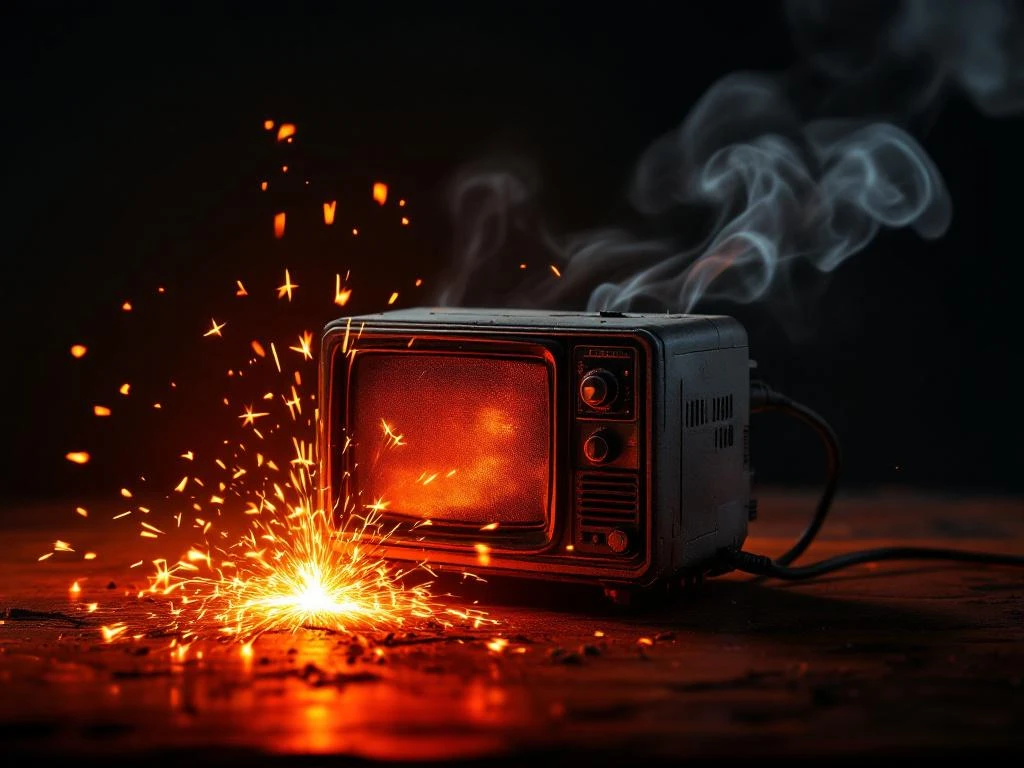
Visible sparks or flashes of light from the appliance or socket require immediate action. Fuses or circuit breakers that repeatedly trip when you use a particular appliance indicate that it is drawing too much current or has a short circuit. Damage to the cord such as cracks, peeling, kinks or exposed wires makes the appliance dangerous to use.
You should also be aware that the appliance suddenly starts to function poorly or unpredictably. This may indicate that internal components are failing in ways that increase the risk of fire.
How old can electrical appliances be before they become dangerous?
Most electrical appliances have an expected lifespan of 10-15 years under normal use. After this period, the risk of failure increases significantly. Appliances that are used intensively or are in harsh environments with moisture or dust wear out faster and should be replaced sooner.
Age alone is not the only factor that determines safety. A 20-year-old appliance that has been lightly used and well maintained may be safer than an 8-year-old one that has been overloaded and neglected. You need to consider both age and condition together.
The quality of the original appliance affects its lifespan. Cheap appliances with poor components can become dangerous after just a few years, while high-quality professional appliances can last much longer. Manufacturers often state recommended lifespans in their product documentation.
Appliances manufactured before the 1990s should be carefully considered, as they lack many modern safety features. While they may still work, they do not meet today's electrical safety standards . If you are unsure about the safety of an appliance, an electrician can inspect it and give you a professional opinion.
How can you prevent electrical fires from old appliances?
Establish a routine for regular inspection of all electrical appliances. Check cords, plugs, and the exterior of the appliance for visible damage every month. Smell for unusual odors and listen for strange noises when appliances are in use. Clean appliances regularly to remove dust that could ignite.
Use appliances according to the manufacturer's instructions and avoid overloading. Do not use extension cords for permanent installations, and never plug multiple high-wattage appliances into the same outlet. Turn off and unplug appliances that you do not use regularly, especially when you are away from home.
Maintain your appliances properly by changing filters, cleaning vents, and following service intervals. For important appliances like water heaters and heat pumps, you should have them professionally serviced annually. This will catch problems before they become dangerous.
Create a plan for when to replace appliances based on age and condition. When an appliance reaches the end of its expected life, start saving for a replacement instead of waiting for it to fail. Modern appliances are both safer and more energy efficient.
Have a qualified electrician inspect your home's electrical system regularly, especially in older homes. The electrician can identify potential problems with the wiring, fuse box, and appliance connections. This preventative effort can prevent fires and save lives.
How does 24 Center help with fire hazards from electrical appliances?
We quickly connect you with qualified electricians who can assess and resolve electrical appliance issues 24/7. When you spot red flags or need a professional assessment of old appliances, we are available to help you immediately.
Our services include:
- Emergency response 24/7 when you detect sparks, smoke odors or other danger signals from electrical appliances
- Professional safety inspection of old appliances and electrical installations in your home
- Quick shutdown and protection of dangerous devices to prevent fire
- Assessment of whether appliances can be safely repaired or should be replaced
- Access to experienced electricians throughout Norway through our network of certified partners
- Preventive electrical inspection to identify risks before they develop
For urgent assignments, an electrician can be at your location in under an hour to handle hazardous situations. For scheduled inspections and preventative checks, we offer flexible appointments to fit your schedule. Our customer service team responds immediately and can advise you on how to handle the situation safely while help is on the way.
Call 401 24 700 for emergencies or visit our website to book a preventive electrical inspection. We ensure that your home is safe from fire hazards from electrical appliances. Please contact us for more information.
Vanlige spørsmål
Can I continue to use an old device if it still works normally?
Even if an old appliance appears to be working normally, it may have hidden problems that increase the risk of fire. Internal components may be degraded without any visible signs on the outside. If the appliance is over 15 years old or lacks modern safety features, consider having it inspected by an electrician or replacing it with a newer model that meets current safety standards.
What should I do if I smell burning plastic from an appliance?
Turn off the appliance immediately and unplug it. Do not use the appliance again until it has been inspected by a qualified electrician. The smell of burning plastic indicates that the insulation is overheating or melting, which could cause a short circuit and fire. If the smell persists after the appliance has been turned off, or if you see smoke, evacuate the home and call the fire department.
Is it safe to repair old electrical appliances instead of replacing them?
It depends on the age of the appliance, its condition and the availability of spare parts. For appliances over 15-20 years old, original parts may be difficult to find, and repairs may be more expensive than new equipment. Even after repairs, other components will still be old and may fail. Modern appliances have better safety features and energy efficiency, so replacement is often the safest and most economical choice in the long run.
How often should I have my home's electrical system inspected?
For homes built after 2000, inspections are recommended every 10 years, while older homes should be inspected every 5 years. If you have a lot of old appliances, have experienced repeated fuse trips, or live in a home built before the 1980s, you should consider more frequent inspections. A qualified electrician can identify worn wiring, outdated fuse systems, and other risks that are not visible to you as the homeowner.
What marks or signs on sockets and plugs require immediate attention?
Yellow, brown, or black spots around the contact holes indicate overheating and require immediate action. Melted or deformed plastic parts, loose contacts that don't hold the plug securely, and hot contacts even after brief use are all warning signs. You should also be aware of cracked contacts or plugs with exposed metal parts. If you notice any of these signs, stop using the outlet and have an electrician inspect and replace it.
Are there any appliances that are safe to keep even though they are old?
Simple appliances without heating elements or motors, such as lamps with LED bulbs, can be relatively safe even when they are older, provided the wiring and connectors are in good condition. However, any appliance with heating elements, motors or complex electronics should be replaced after their expected lifespan. Even “safe” old appliances should be inspected regularly for wear on the wires and plugs, and replaced if you notice any signs of degradation.
How do I safely dispose of old and potentially dangerous appliances?
Disconnect the appliance from the power supply and cut off the plug to prevent anyone from using it accidentally. Most municipalities have environmental stations or recycling centers that accept electrical waste free of charge. Many electrical stores also offer the return of old appliances when you buy new ones. Do not throw electrical appliances in the general waste, as they contain materials that must be recycled in an environmentally friendly and safe way.