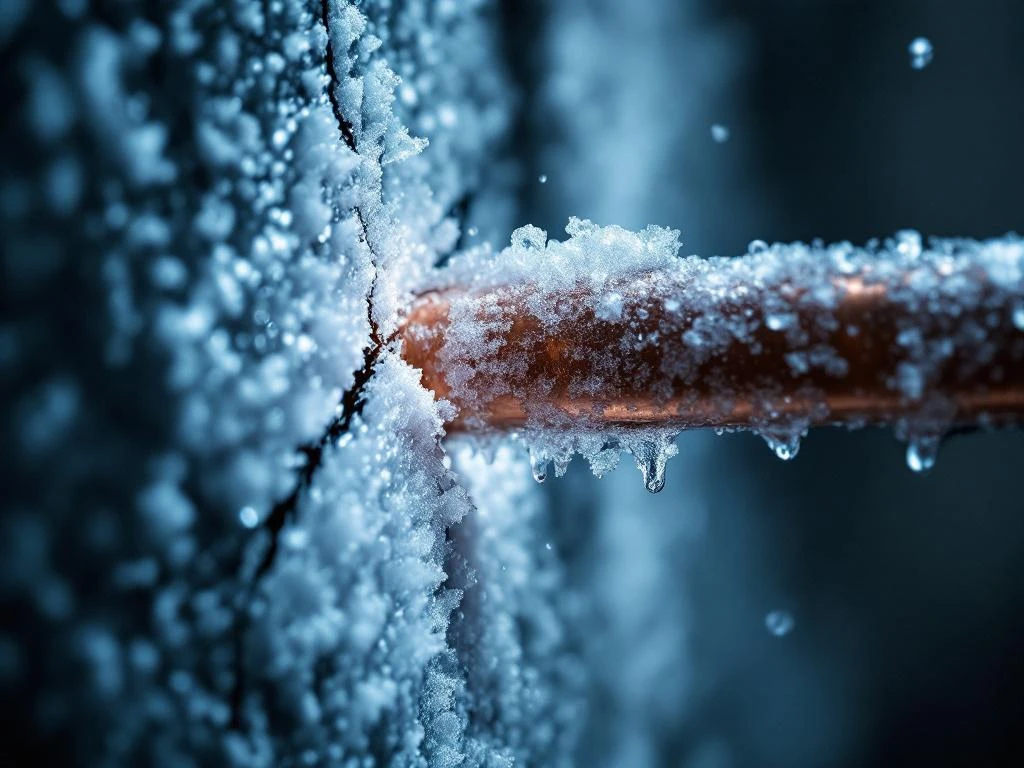
Yes, frozen pipes can burst, and it happens more often than many people think. When water freezes into ice inside a pipe, it expands and creates enormous pressure that can exceed the strength of the material. Cracks don't always occur where the water freezes, but where pressure builds up between the ice plug and a closed valve. This can lead to serious water leaks and costly damage to your home. Here are the answers to the most important questions about frozen pipes and how to protect your home.
Why do pipes burst when they freeze?
When water freezes into ice, it expands by about 9%. This expansion creates enormous pressure inside closed pipes that can exceed the strength of the material, whether the pipe is made of copper, plastic or steel. It is this pressure that eventually causes the pipe to burst.
Interestingly, cracks don't usually occur at the coldest point where the water actually freezes. Instead, they occur where pressure builds up between the ice plug and a closed faucet or valve. When the water freezes and expands, the remaining water is forced against closed points in the piping system. This creates a hydraulic pressure that can be so strong that the pipe gives way.
The crack may be microscopic at first, but as the ice melts and the water starts flowing again, the leak often becomes apparent. Many homeowners only discover the problem when temperatures rise and water flows freely through the crack.
Which pipes are most susceptible to freezing and bursting?
Uninsulated pipes in unheated spaces are most susceptible to frost damage. This includes pipes in basements, attics, crawl spaces, and garages where temperatures can drop below freezing. Exterior pipes and water lines running in exterior walls are also very vulnerable, especially when the cold combines with wind.
When it comes to materials, different pipe types have different resistance to frost bursting. Copper pipes are strong, but can burst suddenly when the pressure gets too great. Plastic pipes have a certain flexibility that can give them a little more tolerance, but they are not immune to frost bursting. PEX pipes can withstand some expansion better than traditional materials, but they can also burst under extreme conditions.
Pipes with stagnant water are particularly vulnerable. If the water is not circulating, it freezes more easily. This often applies to pipes for outdoor faucets, summer cottages that are empty in the winter, and pipes in parts of the home that are not used regularly.
What are the first signs that pipes have frozen?
The first sign is usually reduced water pressure or a complete lack of water when you turn on a faucet. If you get water from some faucets but not from others, it could indicate that pipes in specific areas have frozen. This is especially common on cold winter mornings.
Other warning signs include strange sounds from pipes when you turn on faucets, such as banging or gurgling. You may also see visible frost or rime on exposed pipes, especially in unheated rooms. Unusual damp patches on walls or ceilings may indicate that a pipe has already cracked and is leaking below the surface.
Early detection is critical to preventing a complete pipe burst. The sooner you identify frozen water pipes, the better your chances of safely thawing them before they burst. If you notice any of these signs, you should take immediate action to prevent the situation from getting worse.
How can you prevent pipes from freezing and bursting?
Properly insulating exposed pipes is the most effective way to prevent frozen pipes. Use pipe insulation on all pipes in unheated areas such as basements, attics, and crawl spaces. This is a relatively inexpensive investment that can save you from major repair costs later.
Maintain a minimum indoor temperature of 10-15 degrees , even when you are away from home. Many frostbite cases occur when people lower the temperature too much during holidays or long absences. The small savings on electricity can cost you dearly if pipes burst due to frost.
In extremely cold weather, you can leave faucets dripping lightly. Running water freezes more slowly than standing water, and even a small drip can keep the water moving. Open cabinet doors under sinks to allow warm air to circulate around pipes in exterior walls.
Before winter arrives, drain all exterior water lines and turn off the water supply to outdoor faucets. Make sure garden hoses are drained and stored indoors. These simple measures only take a few minutes, but can prevent serious winter plumbing problems.
What do you do if you discover frozen pipes?
If you suspect that pipes have frozen, you should turn on the faucet that is not supplying water and leave it open. This will release pressure as the ice begins to melt, allowing the water to drain out instead of building up more pressure. If you see any signs of a leak, turn off the main water valve immediately.
Warm the frozen area gradually with a hair dryer or heat lamp. Start closest to the faucet and work your way toward the coldest area. Never use an open flame, heat gun, or other high-temperature source, as these can damage pipes and pose a fire hazard.
If you can’t find the frozen area, or if the pipe is inside a wall or under the floor, you need professional help. 24Center can have a plumber on site within one hour for emergency situations. Our technicians have the equipment and experience to locate and safely thaw frozen pipes without causing further damage.
Do not attempt to thaw pipes if you already see signs of a leak. In such cases, it is best to turn off the water and contact us immediately. Quick action can limit water damage and significantly reduce repair costs.
Frozen pipes are a serious problem that requires quick action. With proper prevention, you can avoid most frost damage, but if the problem occurs, it is important to act quickly and correctly. Call 401 24 700 for emergencies or visit contact information for scheduled visits. Read more about our services to see how we can help you with all types of plumbing work.
Vanlige spørsmål
How long does it take for a pipe to freeze in the cold?
This depends on the temperature, the location of the pipe and its insulation. At temperatures below -6°C, uninsulated pipes can start to freeze within 6-8 hours. Pipes in external walls or unheated rooms can freeze faster, especially if it is windy. Therefore, it is important to take preventive measures before extreme cold spells are predicted.
Can a pipe burst after it thaws, or does it only happen while it is frozen?
Yes, many pipes do indeed burst during the thawing process. Microscopic cracks that form during freezing can widen as the ice melts and water pressure is restored. Many homeowners only discover the leak when the water starts flowing again. This is why you should inspect your pipes carefully after a freeze, even if they appear to be intact.
Does homeowners insurance cover damage from frozen and burst pipes?
Most homeowners insurance policies cover sudden and unexpected water damage from burst pipes, but there are important caveats. If the insurance company can prove that you didn't take reasonable precautions (like maintaining an adequate temperature or insulating pipes), your claim may be denied. Read your insurance policy terms carefully and document any preventative measures you've taken.
Is it safe to use salt or chemicals to thaw frozen pipes?
No, you should never use salt, chemicals or other de-icing agents inside pipes. These substances can corrode the pipes, contaminate drinking water and damage the plumbing system in the long term. Stick to safe methods such as gradual heating with a hair dryer or heat lamp, or contact a professional plumber for safe defrosting.
What is the most common mistake people make when trying to prevent frozen pipes?
The most common mistake is to lower the indoor temperature too much during absence to save energy. Many people think that 5-7 degrees is enough, but this can be too cold for pipes in external walls or uninsulated areas. Another common mistake is forgetting to drain and turn off external taps before winter, which often leads to frost bursting of these pipes.
How much does it typically cost to repair a cracked pipe from frost?
Costs vary greatly depending on the extent and location of the damage. A simple repair to an exposed pipe can cost between $2000 and $5000, while pipes in walls or under floors can cost between $10,000 and $30,000 or more due to the required demolition and reconstruction. Water damage from leaks can increase costs significantly, underscoring the importance of prevention.
Can I install heating cables on pipes myself, or do I need a professional?
Self-installation heating cable kits are available at hardware stores and can be installed by an experienced hobbyist, but it requires careful following of instructions and an understanding of electrical safety. For pipes in hard to reach areas, or if you are unsure of electrical work, we recommend using a professional. Incorrect installation can pose a fire hazard or be ineffective against frost.