A clogged drain can definitely damage your pipes if the problem is not resolved quickly. Stagnant water and debris create increased pressure in the pipe system, which can lead to cracks, leaks and corrosion over time. Older pipes are especially vulnerable to this type of stress. In the worst case, a long-term clogged drain can lead to a complete pipe rupture and extensive water leaks, damaging both the pipes and your building.
What actually happens to the pipes when the drain becomes clogged?
When a drain becomes clogged, abnormally high pressure builds up in the pipe system. This pressure pushes against pipe walls that are not designed to withstand constant stress from stagnant water and waste. Over time, this stress can cause pipes to burst or joints between pipe parts to loosen.
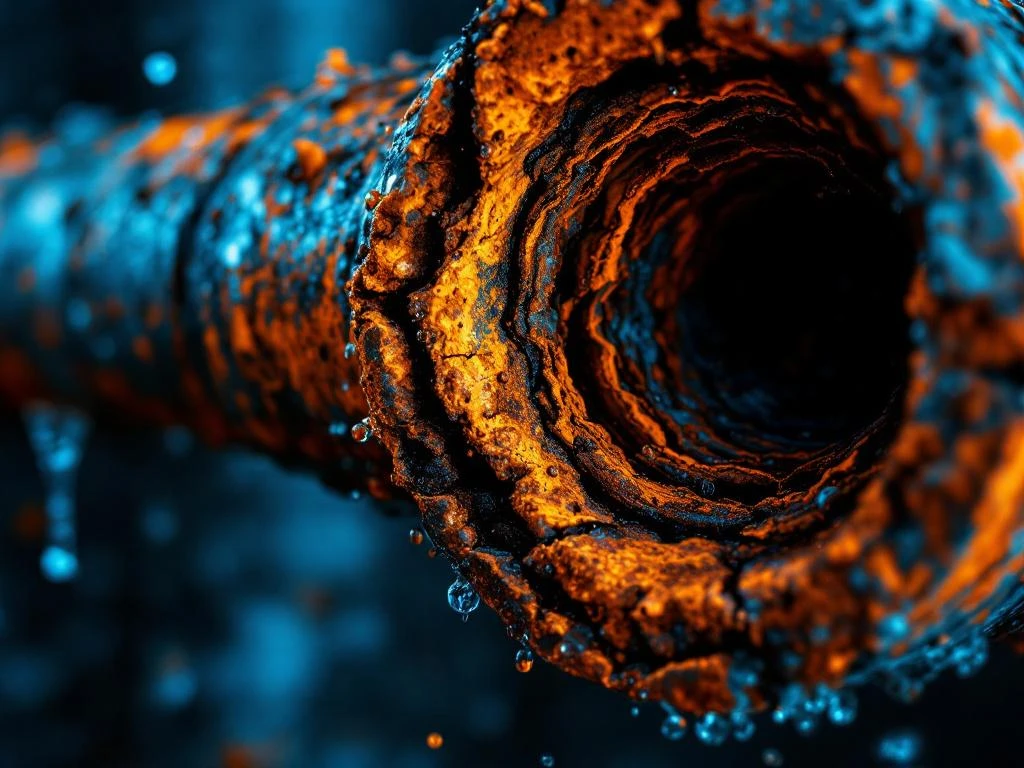
Stagnant water in a clogged drain also creates an ideal environment for corrosion and bacterial growth. When water sits still together with organic matter, chemical compounds form that attack the pipe material from the inside. This is especially true for metal pipes, which can rust more quickly when exposed to constant moisture combined with aggressive substances from the waste.
The long-term consequences can be serious. Bacterial growth can lead to biofilm that further worsens the blockage, while chemical degradation weakens the structural integrity of the pipes. Plastic pipes can also be affected, even if they do not rust. They can become brittle and less flexible when exposed to constant pressure and chemical stress from stagnant waste.
What types of pipe damage can a clogged drain cause?
Cracks and leaks are the most common types of damage that occur from clogged drains. As pressure builds, microcracks can form and gradually expand. These cracks often lead to water leaks that can damage walls, ceilings, and floors before you even notice the problem.
Corrosion particularly affects metal pipes such as cast iron, copper and steel. Cast iron is particularly vulnerable because it rusts from the inside when stagnant water and organic matter create acidic compounds. Copper pipes can also corrode, but are generally more resistant. Modern plastic pipes are less susceptible to corrosion, but can become brittle and crack under constant pressure.
A complete pipe rupture is the most serious consequence of a long-term blocked drain. This occurs when the combination of pressure, corrosion and material weakness reaches a critical point. Bends and joints in the pipe system are particularly vulnerable areas, as these points are already exposed to mechanical stress. A sudden pipe rupture can lead to extensive water leakage, requiring costly repairs to both the pipe and damage to the building.
How long can a drain be clogged before it becomes dangerous?
A clogged drain should be fixed as soon as possible, preferably the same day you discover the problem. Even if the pipes are not damaged immediately, the risk of serious problems increases significantly after 24-48 hours. The longer the water and waste sit still, the greater the pressure and chemical stress on the pipes.
There are several warning signs that indicate that the situation is getting worse. If you hear gurgling or bubbling sounds from other drains when you use water, it means that the pressure is spreading in the system. Bad odors that become stronger over time indicate that organic material is breaking down and creating aggressive compounds. Water rising in other drains or toilets is a clear sign that the blockage is serious and that the pressure is seeking alternative ways out.
Quick action is essential to avoid costly repairs. A simple clog that is quickly resolved usually costs little to fix. If you wait until your pipes have cracked or corroded, you could be faced with extensive pipe cleaning and repair work to repair water leaks that have damaged the building. We often see homeowners who wait too long end up having to replace major sections of their plumbing system instead of just fixing the original clog.
What should you do when the drain becomes clogged to avoid pipe damage?
When you discover a clogged drain, it's important to act quickly but carefully. Stop using the affected drain immediately to prevent more water and debris from building up. If the blockage affects multiple drains in your home, there may be a problem in the main drain that requires professional help.
You can safely try a wet vacuum or a simple drain pump if the clog is close to the surface. A manual plunger can also work for smaller clogs in sinks or bathtubs. Avoid using chemical drain openers for serious clogs, as these can further damage the pipes and make the situation worse if they don't solve the problem. Hot water and dish soap can help with grease-based clogs, but only if the water is flowing slowly and not completely still.
It’s important to know when to call in professional help. If the blockage doesn’t clear with simple methods within a few hours, or if multiple drains are affected at once, you need a professional. We offer emergency drain services and can be on site quickly to prevent the situation from escalating into more serious damage. For urgent jobs, a technician can be at your location in under an hour to perform professional drain cleaning that will solve the problem without damaging your pipes.
Call 401 24 700 for emergencies or visit 24center.no for scheduled visits. In case of acute drainage problems, it is better to act quickly than to risk costly pipe damage and water leaks. For more information on how to contact us , please contact us and we will help you further.
Vanlige spørsmål
Can I prevent pipe damage by regularly flushing the drain with hot water?
Yes, regular flushing with hot water can help prevent grease build-up and keep your pipes clean. Flush your drain with boiling water once a week, preferably combined with a little washing-up liquid. However, this is only effective as a preventative measure and will not resolve existing blockages. For best results, you should also avoid letting food waste, hair and grease down the drain.
How do I know if my pipes are already damaged by a previous clogged drain?
Typical signs of existing pipe damage include recurring blockages in the same spot, damp spots on walls or ceilings under the pipes, unstable water pressure, and persistent bad odors even when the drain is flowing normally. If you suspect damage, you should order a camera inspection of the pipes. This provides an accurate view of the condition and reveals any cracks, corrosion, or weak spots before they develop into larger problems.
Are older pipes more susceptible to damage, and should I consider replacing them?
Yes, older pipes – especially cast iron and galvanized steel pipes from before the 1970s – are significantly more vulnerable to damage from clogged drains. These materials often already have some degree of corrosion and reduced strength. If your home has original pipes that are more than 40-50 years old, we recommend an inspection to assess their condition. Modern PVC or PEM pipes are more resilient and can be a good investment to avoid future problems.
What does it cost to repair pipe damage compared to resolving a blockage early?
The difference is significant. A professional drain cleaning for a blockage typically costs between 1500-3000 NOK, while repairing pipe damage with water leaks can cost from 15 000 NOK and up, depending on the extent. If the water leak has damaged the building structure, the total bill can easily exceed 50 000-100 000 NOK when you include drying, mold treatment and restoration. This illustrates why quick action in the event of a blocked drain is so important financially.
Can I use a pressure washer to unclog drains myself?
We do not recommend that individuals use pressure washers on drains without experience. Improper use can damage the pipes, especially if they are already weakened by age or corrosion. Professional plumbers use specially adapted equipment with the right pressure and technique for different pipe systems. If you want to try it yourself, stick to gentle methods such as wet vacuums, manual plungers or enzymatic drain cleaners that will not damage the pipes.
How often should I have my sewer system professionally inspected?
For homes with pipes that are over 25 years old, we recommend an inspection every 3-5 years, or upon purchase of the home. Newer systems may go longer between inspections, but if you experience frequent blockages, slow drainage, or bad odors, you should schedule an inspection immediately. Preventive camera inspections typically cost $200-$400 and can save you much more money by identifying problems early.