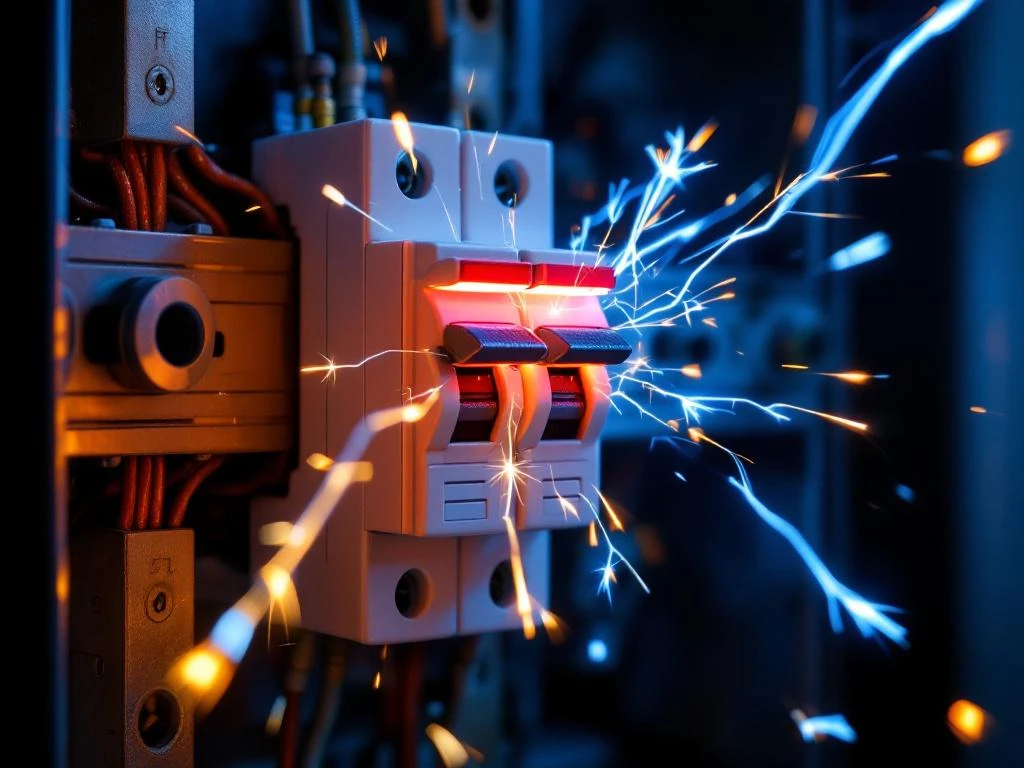
When the RCD trips, it means it has detected a current leak in your electrical system. This is an important safety system that protects you from electric shock and fire by interrupting the current in milliseconds. The RCD can trip for a number of reasons, from moisture in appliances to worn-out wiring. Here are answers to the most common questions about why the RCD trips and what you should do.
What is a ground fault circuit interrupter and why is it important?
A ground fault circuit interrupter is a safety system that protects you from electric shock and fire. It monitors the current flowing into and out of a circuit, and if it detects any current leaking to ground, it interrupts the current in milliseconds. This happens before the current leakage can cause serious damage to people or property.
The RCD works by measuring the balance between the current going out and the current coming back in. If the difference is greater than 30 milliamperes, the circuit breaker trips immediately. This is a critical safety mechanism in modern homes that has saved countless lives since it became mandatory in Norwegian homes.
Without a ground fault circuit interrupter, a power leak could cause serious electric shocks if you touch a faulty appliance or a wet surface that is live. The circuit breaker protects you from such situations while also alerting you that there is a problem in the electrical system that needs to be fixed.
What are the most common reasons why the earth leakage circuit breaker trips?
The RCD usually trips due to moisture in electrical appliances or outlets, worn wiring, faulty appliances, overloaded circuits, problems with outdoor equipment, or natural aging of electrical installations. Each of these situations creates a current leak to ground that triggers the safety function of the breaker.
Moisture is the most common cause of ground faults in the home. When water comes into contact with electrical components, it creates a path for electricity to leak out. This often happens in bathrooms and kitchens, or when appliances such as washing machines and dishwashers develop water leaks. Even high humidity can cause problems in older installations over time.
Frayed or damaged wires are another common cause. Over time, the insulation around electrical wires can become brittle and develop cracks, especially in areas with a lot of movement or heat. This allows electricity to leak into the surrounding area. Damage can also occur if wires have been pinched, bent too much, or exposed to rodent damage.
Faulty electrical appliances also cause ground faults. When an appliance starts to fail internally, it can develop short circuits or leakage currents. This is especially true for older appliances or equipment that has been exposed to moisture or physical damage. Heating elements in appliances such as kettles, coffee makers and heat pumps are particularly susceptible to wear.
How do you find out what is causing ground faults in your home?
You can find the cause of a ground fault by turning off all appliances and equipment, resetting the ground fault circuit interrupter, and then plugging in appliances one at a time. If the breaker trips when you plug in a specific appliance, you have found the source of the problem. This is a safe method of simple troubleshooting that most people can do themselves.
Start by unplugging all the electrical outlets and turning off all the breakers in the circuit breaker box. Then reset the RCD by pushing it back into the up position. If the breaker does not reset or trips again immediately, it is a sign of a serious problem in the electrical system itself that requires professional help.
If the breaker resets, plug in appliances and turn on breakers one at a time. Wait a few minutes between each trip to see if the GFCI trips. Once you find the appliance causing the trip, unplug it and leave it alone until an electrician can examine it. Do not use the appliance again until it has been checked or replaced.
Check especially damp areas such as bathrooms, kitchens and laundry rooms. Look for visible moisture around electrical outlets, cords or appliances. Also check for visible damage to cords, plugs or sockets. If you notice anything unusual, do not continue troubleshooting yourself. This is the time to contact a qualified electrician.
When should you contact an electrician instead of fixing it yourself?
You should contact an electrician when the RCD trips repeatedly for no apparent reason, when you cannot identify the source of the problem, when you suspect damage to the electrical system, when there is a burning smell, or when there is visible damage to the installations. These situations require professional troubleshooting and repair to ensure safe handling.
Repeated trips without a clear cause often indicate a hidden problem in the electrical system. This could be damage to wiring inside walls, problems with the grounding connection, or a fault in the fuse box itself. Such problems require special equipment and expertise to locate and repair safely.
If you smell something burning or see visible damage such as scorch marks, melted plugs or discolored sockets, it is a sign that overheating or a short circuit has occurred. This is a serious situation that can lead to a fire if not handled quickly and professionally. Turn off the main switch and contact an electrician immediately.
Moisture problems in electrical installations also require professional handling. If you notice moisture inside the fuse box, wet sockets or signs of water leakage near electrical components, have an electrician investigate the situation. Ignoring repeated ground faults can lead to serious consequences, from fire to fatal electric shocks.
How do we help with ground fault problems?
We give you immediate access to qualified electricians 24/7, every day of the year. When your RCD trips and you need help, you can contact our customer service , which is available 24/7. We quickly connect you with trusted electrician partners across Norway who can solve the problem safely and efficiently.
Our service offers you several benefits when you are facing electrical problems:
- Fast response for urgent jobs – a qualified electrician can be on site in under an hour
- Professional troubleshooting and repair of ground faults and other electrical problems
- Safe handling of electrical faults that protect you and your property
- Prevention of serious injuries through early intervention
- Free customer service that can provide guidance over the phone
- Reliable network of electricians throughout Norway
Electrical problems can occur at any time, and ground faults are often a sign that something needs immediate attention. Our electricians have the equipment and knowledge needed to identify the cause of the ground fault, make the necessary repairs, and ensure your electrical system is operating safely again.
Call 401 24 700 for emergencies or visit our website for scheduled visits. We ensure you get professional help when you need it, so you can feel safe in your own home.
Vanlige spørsmål
Can I use appliances on other circuits while the RCD is tripped on one circuit?
Yes, you can continue to use appliances on other circuits that are not affected by the tripped GFCI. Modern circuit breakers often have separate GFCIs for different zones in the home, so only the affected circuit is without power. Identify which rooms or outlets are affected and avoid using them until the problem is resolved.
How often should I test the RCD to ensure it is working?
You should test your RCD at least once every six months by pressing the test button (usually marked 'T'). When you press this button, the breaker should trip immediately, confirming that it is working properly. If the breaker does not trip when you test it, contact an electrician immediately, as your safety system is not working.
Is it dangerous to reset the RCD multiple times if it keeps tripping?
Yes, it can be dangerous to repeatedly reset a tripped RCD without first identifying and resolving the problem. The breaker trips because it detects a real electrical leak, and by forcing it back on, you are activating a potentially dangerous system. If the breaker trips more than twice, leave it in the tripped position and contact an electrician to avoid the risk of fire or electric shock.
Can a thunderstorm or lightning strike cause the RCD to trip?
Yes, thunderstorms and lightning strikes can definitely cause your RCD to trip. Nearby lightning strikes can create voltage spikes in your electrical system that trip the breaker as a protective mechanism. This is actually a desired feature that protects your appliances from damage. If your RCD trips during a thunderstorm, wait until the weather has calmed down before resetting it, and inspect your appliances for any damage.
How much does it usually cost to have an electrician fix a ground fault?
The cost of fixing a ground fault varies depending on the cause and complexity of the repair. A simple troubleshooting and replacement of a faulty appliance or socket can cost from 1000-2000 kroner, while more extensive work such as replacing wires in walls can cost from 3000 kroner and up. Urgent assignments outside of normal working hours will often have a surcharge. Always ask for a quote before the work begins.
Can I install a new RCD even if the old one is faulty?
No, you cannot legally install or replace a residual current device yourself in Norway. All work in the fuse box and on the fixed electrical system must be carried out by an authorized electrician in accordance with the regulations on low-voltage electrical systems (FEL). This also applies to the replacement of residual current devices, as incorrect installation can lead to life-threatening situations and invalidate your insurance.
Does the earth leakage circuit breaker trip more often in winter, and why?
Yes, RCDs can trip more frequently in the winter, mainly due to increased humidity from condensation when warm air inside meets cold surfaces. Outdoor installations such as garage doors, exterior lighting and chargers are also exposed to more moisture from snow and rain. In addition, multiple electric heating elements are often used simultaneously in the winter, which can reveal existing weaknesses in older appliances or installations.