When you experience problems with your water or sewer system, it can be difficult to know where the problem really lies. A problem that lies deep in the pipeline requires different treatment than superficial problems. Symptoms such as multiple clogged drains at the same time, low water pressure throughout the home, or recurring problems often indicate that the problem lies deep in the plumbing system. This article provides you with answers on how to recognize, investigate, and treat deep pipeline problems.
What is the difference between a superficial pipe problem and a deep pipeline problem?
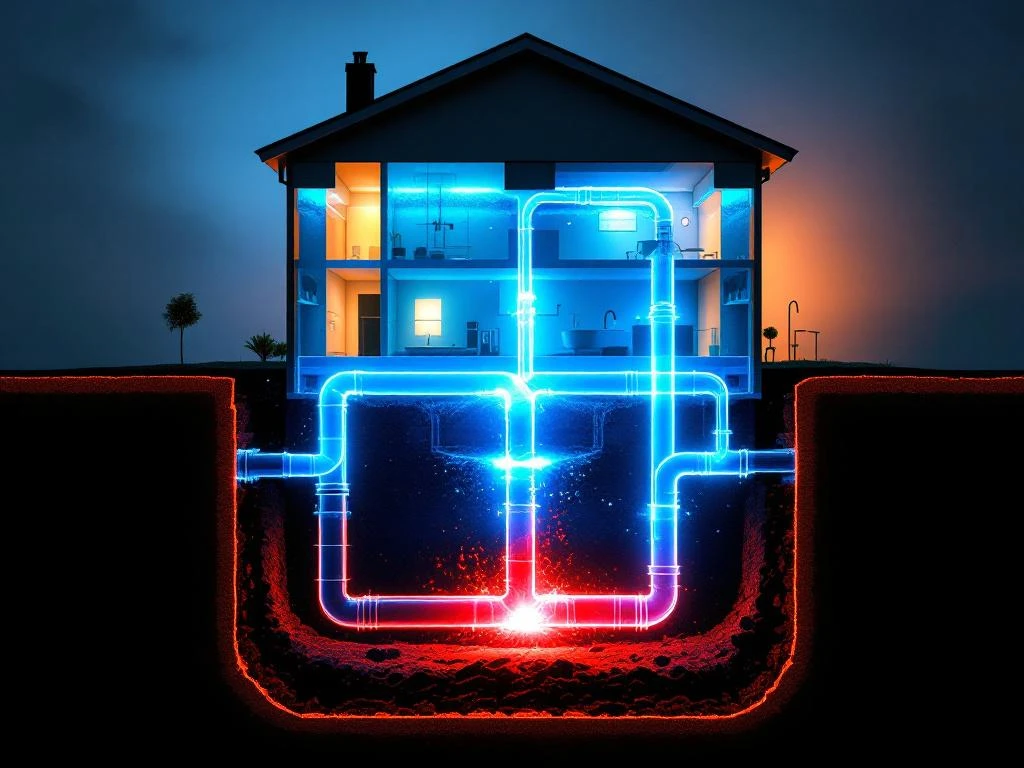
A superficial plumbing problem is visible or easily accessible, such as a clogged drain, a dripping faucet, or a water leak under the sink. Deep plumbing problems, on the other hand, are located inside walls, under floors, in the foundation, or in mains outside the house. These problems are not visible and often require specialized equipment to find and repair.
The difference is also in the scope. Superficial problems usually affect only one faucet or drain. You can often see where the problem is, and in many cases you can fix it yourself with simple tools. A clogged sink drain or a loose connection under the kitchen counter are typical examples.
Deep plumbing problems cause symptoms in multiple locations at once. When the shower, toilet, and bathroom sink all react at the same time, it indicates that the problem is in a common drain line that is inaccessible. Water pressure may be low throughout the house, or you may experience recurring problems even after you have tried to fix them. Such problems usually require the help of a plumber with the proper equipment for diagnosis and repair.
What symptoms indicate that the problem is deep in the pipeline?
Several clear symptoms indicate that the problem lies deep in the plumbing system. Multiple fixtures affected at the same time are a clear sign. If the water flows slowly in both the shower and sink, or if the toilet bubbles when you empty the bathtub, it indicates a common drain line that is blocked or damaged.
Low water pressure throughout your home, not just at one faucet, could indicate a problem with your main water supply. This could be due to leaks, blockages, or corrosion deep within the system. Unusual sounds from pipes inside walls, such as banging, beeping, or running water when no faucets are open, are also warning signs.
Other symptoms include:
- Recurring problems that recur shortly after repair
- Water collecting in unexpected areas of the garden or along the foundation
- Cracks in the foundation that may indicate water leakage under the house
- Inexplicably high water bill indicating hidden leak
- Sewer smell inside the house without any apparent cause
- Wet spots on walls or ceilings with no visible source of leakage
If you experience several of these symptoms at the same time, chances are the problem is deep in the pipeline and requires professional assessment.
How can you yourself investigate where the problem in the pipeline is located?
You can do some simple research to locate the problem. Start by testing different fixtures systematically . Turn on the faucets one by one and note where the water flows normally and where there are problems. Flush the toilet and observe if other drains respond. This will help you see if the problem is isolated to one spot or if it affects multiple points.
Check for patterns in when the problems occur. Does it only happen when multiple cranes are in use at the same time, or is the problem constant? Does it occur at certain times of the day? Such patterns can provide important clues as to the cause.
Listen carefully for sounds from pipes inside walls. Walk around the house when it is quiet and listen for running water, dripping or tapping. Inspect all visible pipes under sinks, behind toilets and in basements or sheds. Look for rust, moisture, green discoloration or limescale deposits.
Check your water meter for hidden leaks. Turn off all faucets and make sure no appliances are using water. If the meter is still running, you probably have a leak somewhere in the system. Document any symptoms you find with photos and notes, this will help the plumber with the diagnosis.
Be aware of your limitations. Don't open walls, dig in your yard, or attempt to remove mains yourself. These jobs require professional knowledge and the right equipment. If your investigations indicate problems inside walls or under floors, it's time to contact a plumber.
When should you contact a plumber if you suspect a deep pipeline problem?
Some situations require immediate professional help . Burst pipes with water flowing uncontrollably, sewage backing up into the drains, complete loss of water supply, or the smell of gas require an emergency response. These problems can cause major damage in a short time or pose a health hazard.
Other situations require professional assessment, but are not necessarily urgent. If you have low water pressure throughout your house that lasts more than a few hours, recurring clogged drains that reoccur within days or weeks, or wet spots on walls and ceilings with no known cause, you should have a plumber investigate the problem relatively quickly.
Also contact a plumber if your own investigations indicate problems deep in the system. When several fixtures are affected at the same time, when you hear unusual sounds from pipes in walls, or when the water meter shows consumption without any taps being open, you need professional diagnosis.
Delaying professional help for deep plumbing problems can have serious consequences. Small leaks inside walls can lead to mold, rot, and structural problems. Clogged mains can worsen and lead to sewer overflows. Water supply problems can affect your entire household. The sooner you diagnose and fix the problem, the less damage and cost you will incur.
How do we help with deep pipeline problems?
At 24 Center , we have experience in dealing with all types of pipeline problems, including complex faults that are deep in the pipeline system. When you contact us, you will receive an immediate response from customer service who can provide you with guidance right from the start of the conversation. In many cases, we can help you identify the problem and advise on temporary measures while help is on the way.
Our services for deep pipeline problems include:
- Fast diagnosis with experienced technicians who have special equipment to locate hidden problems
- Connection to qualified local plumbers throughout Norway who can carry out the work from start to finish
- Acute response within one hour in urgent situations such as water leaks or sewer flooding
- Scheduled same-day or next business day assignments for non-urgent issues
- Comprehensive service from problem identification to finished solution
Whether it's a hidden water leak, a clogged drain, water pressure issues or other deep plumbing faults, we have the solution. Our network of trusted installation partners covers the entire country and can handle everything from simple to complex plumbing jobs.
Call 401 24 700 for emergencies or visit our website for scheduled visits. We are available 24/7, the call is free, and you will receive a professional assessment of your problem immediately.
Vanlige spørsmål
How much does it usually cost to repair a deep pipeline problem?
The cost varies greatly depending on the extent and location of the problem. Simple repairs can cost from 3000-8000 NOK, while complex jobs that require opening walls, floors or digging can cost 15 000-50 000 NOK or more. It is best to get an inspection and quote from a plumber who can assess the specific situation. Many insurance policies cover part of the costs of sudden damage.
Can I prevent deep pipeline problems?
Yes, regular maintenance significantly reduces the risk. Get a pipe inspection every 5-10 years, especially in older homes. Avoid flushing grease, hair and foreign objects down the drain, and be careful what you plant near drains as roots can penetrate the pipes. Also, keep an eye on your water pressure and water bill to spot problems early.
How does the plumber find where the problem is without tearing up the whole house?
Modern plumbers use advanced equipment such as pipe cameras, thermal cameras and acoustic leak detectors. Pipe cameras can inspect the inside of pipes and identify cracks, blockages or damage without digging. Thermal cameras detect temperature differences that indicate leaks, while acoustic sensors can hear the sound of running water inside walls and floors. This allows the plumber to find the exact location before any tearing.
Does home insurance cover damage from deep pipeline problems?
It depends on the terms of your insurance and what caused the damage. Sudden and unforeseen events like a burst water pipe are usually covered, while gradual deterioration due to lack of maintenance or wear and tear is often not covered. Contact your insurance company immediately when you discover the problem, take photos of the damage, and get documentation from the plumber. Some policies require you to use their approved tradesmen.
How long does it take to repair a deep pipeline problem?
The time frame depends on the complexity and location of the problem. Simple repairs can be done in a few hours, while extensive jobs that require opening walls, replacing long stretches of pipe, or digging can take several days or weeks. The plumber will give you an estimate after the inspection. In urgent situations, the plumber will often perform temporary measures first to stop the damage, before making permanent repairs.
What should I do if I discover a deep pipeline problem in the evening or on the weekend?
In case of emergency situations such as water leaks or sewer flooding, turn off the main water tap immediately to limit the damage. Then contact a 24-hour plumbing emergency service such as 24 Center (401 24 700) who can send a plumber within one hour. Document the damage with photos for insurance purposes, move valuables away from wet areas, and try to collect water with mops or towels. For less urgent problems, you can wait until the next business day, but don't delay too long.
Can tree roots really damage pipelines, and how do you fix it?
Yes, tree roots are a common cause of damage to outdoor drain lines. Roots seek moisture and can penetrate small cracks in the pipes, grow large and cause blockages or burst pipes. The solution depends on the extent of the damage: minor root penetration can be removed with special tools or high-pressure water jetting, while severe damage requires replacement of the pipe run. In some cases, the tree must be removed or relocated to prevent recurrence.