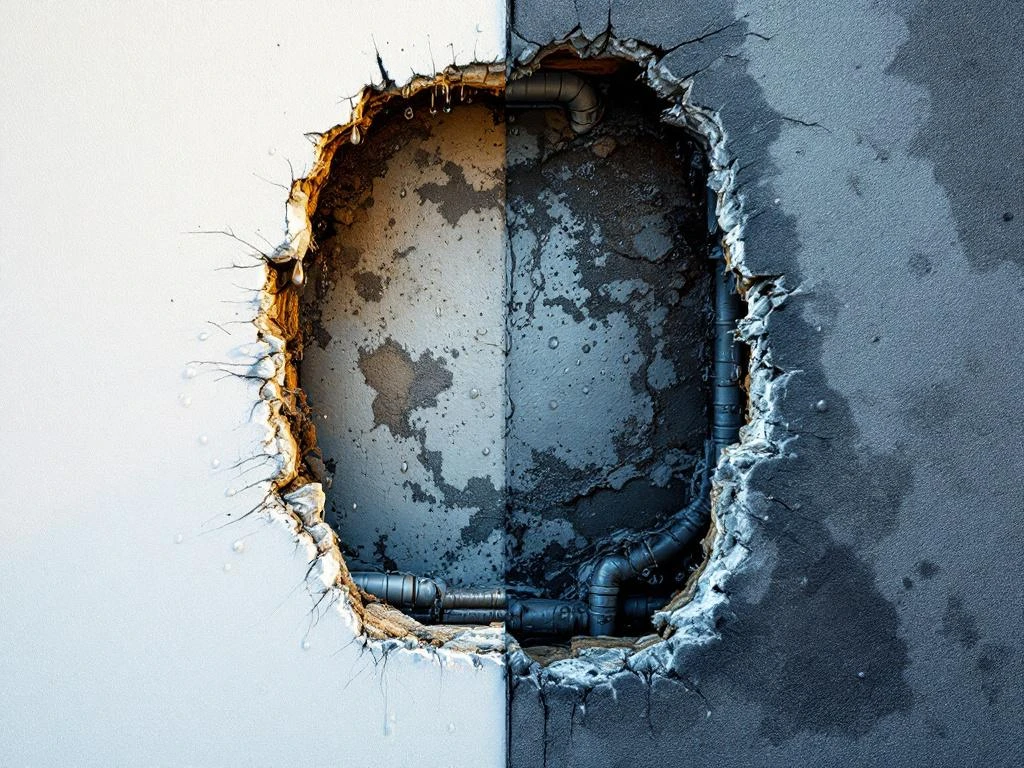
Water leaks in walls can be difficult to detect because the damage often develops hidden behind surfaces. The most common signs include discoloration, damp spots, peeling paint, loose wallpaper and a persistent musty smell. If you notice that the wall feels cold or damp, or if you see visible water marks, you should investigate further. Early detection is important to avoid expensive repairs and health hazards.
What are the most common signs of a water leak in the wall?
The most visible signs of water leakage in the wall are discoloration and damp spots which often appear as yellow, brown or darker areas on the surface. The paint may start to peel or bubble, while the wallpaper will peel off from the wall. A musty or rotten smell is also a clear symptom of damp in the wall, even if you don't see visible signs right away.
The wall may feel unusually cold or damp to the touch, and you may notice temperature differences compared to other walls in the room. If you see that your skirting boards or baseboards are starting to sag or discolour, this could be a sign that water is seeping down the wall. Sometimes you may also hear a faint dripping or running sound behind the wall, especially when the taps are in use.
These symptoms occur because water penetrates the wall structure and creates moisture damage that gradually affects materials such as plaster, wood and insulation. When moisture in the wall is not allowed to dry, it creates ideal conditions for mold and bacteria growth, which explains the characteristic smell. Early detection of these water leak signs gives you the opportunity to take action before the damage becomes extensive.
How can you check yourself for moisture in the walls?
You can start with a thorough visual inspection of walls in risk areas. Look for discoloration, stains or changes in the paint. Feel with your hand if the wall feels cold, damp or has a different texture than normal. If you suspect water leak symptoms, you can use a simple plastic bag attached to the wall overnight – condensation on the inside indicates moisture.
Listen for unusual sounds such as dripping or running water, especially around pipes and fixtures. You can do this when the home is quiet, preferably in the evening. Check areas around sinks, toilets, showers and kitchen counters carefully, as these are the areas most prone to hidden water leaks. Use your flashlight to look for water marks in dark corners and behind furniture.
Simple moisture meters can be purchased at hardware stores and give a quick indication of the moisture level in the wall. Although these are not as accurate as professional equipment, they can help you identify problem areas. If you notice signs of water leakage, it is important to act quickly to prevent further moisture damage to the wall.
Which areas in the home are most susceptible to hidden water leaks?
Bathrooms and wet rooms are the most vulnerable areas for water leaks in the wall. Walls around showers, bathtubs and sinks are exposed to constant moisture, and even small cracks in the joints or membrane can cause water to penetrate the structure. The kitchen is also high on the list, especially walls behind the dishwasher, refrigerator with ice maker and under the sink.
Laundry rooms with washers and dryers are at risk because hoses and connections can leak over time. Walls around water heaters are also critical points, as the tank can develop small leaks that go undetected until the damage is significant. Basement and exterior walls can get moisture from the outside through poor drainage or cracks in the foundation.
Areas where pipes pass through walls, such as behind radiators or at penetrations into adjacent rooms, are also risk zones. Here, condensation or small leaks in joints can develop unnoticed. Attic walls under roofs can get damp from leaking gutters or roofing defects. By focusing on these areas during regular inspections, you can detect water leakage symptoms early and avoid extensive damage.
What happens if a water leak in the wall is not detected in time?
Undetected water leaks in walls lead to progressive damage that worsens over time. Moisture in the wall breaks down plaster, insulation and woodwork, weakening the structural integrity of the walls. When materials get wet and stay wet, they begin to rot, which can require extensive replacement of entire wall sections in the worst case scenario.
Mold growth is one of the most serious consequences of long-term moisture damage to walls. Mold spreads quickly in damp environments and can cause respiratory problems, allergies and other health problems for residents. Certain types of mold produce toxic substances that are particularly harmful to children, the elderly and people with weakened immune systems.
Water and electricity are a dangerous combination. Water leakage symptoms in walls with electrical installations can lead to short circuits, power outages or, in the worst case, fire hazards. Repair costs increase dramatically the longer the leak is allowed to develop. What could have been a simple sealing and drying suddenly becomes extensive rehabilitation with replacement of walls, insulation, electrical systems and surfaces. The value of the property can also be reduced if moisture damage is not handled professionally and documented properly.
When should you contact a professional if you suspect a water leak?
You should contact a professional immediately if you see visible signs of water leakage such as active leaks, large damp areas or rapidly increasing discoloration. If you smell a strong musty odor without finding the source, or if the wall feels soaked, it is important to get professional help quickly. Situations where water is visibly running down the wall or pooling on the floor require an urgent response to limit the extent of the damage.
Even minor water leak symptoms should be investigated professionally if they persist or worsen. Professionals have equipment like thermal imaging cameras and moisture meters that can detect hidden water leaks in the wall without tearing up surfaces. They can locate the source of the leak, assess the extent of the damage, and make the necessary repairs in a timely manner.
We offer a fast response to all types of water leaks 24/7. Our qualified plumbers can be on site within a short time for urgent assignments, equipped with modern detection equipment to find and repair the leak effectively. By acting quickly when you discover moisture in the wall, you can prevent minor problems from developing into major moisture damage that requires extensive rehabilitation. Early intervention saves you both worries and significant costs.
Call 401 24 700 for emergencies or visit 24center.no for scheduled visits. Our nationwide network of experienced technicians is ready to help you with all services related to plumbing and water leaks, so you can quickly regain the peace of mind in your home. For more information on how we can help you, see our contact information .
Vanlige spørsmål
How much does it usually cost to repair a water leak in the wall?
Costs vary considerably depending on the extent and location of the leak. A simple pipe leak that is detected early can cost between 3,000-8,000 NOK to repair, while extensive moisture damage with mold and replacement of wall sections can amount to 50,000-150,000 NOK or more. Many insurance policies cover sudden and unforeseen water leaks, so contact your insurance company quickly to clarify coverage.
Can I paint over a damp spot on the wall without fixing the leak first?
No, this is a common mistake that only temporarily hides the problem. Painting over moisture damage without repairing the source will cause the moisture to continue to spread behind the new paint, and the stain will return in a short time. You should always find and fix the water leak, let the wall dry completely, and treat any mold before repainting.
How long does it take for a wall to dry completely after a water leak?
Drying time depends on the extent of the moisture, wall type and ventilation, but typically it takes 3-7 days for light moisture damage and up to several weeks for soaked walls. Professional drying with dehumidifiers and fans can reduce the time significantly. It is important to measure the moisture level with a moisture meter to ensure that the wall is completely dry before resealing or painting, otherwise you risk mold growth.
Can a water leak in the wall cause electrical problems?
Yes, water penetrating walls with electrical installations can be very dangerous. Moisture can cause short circuits, damage electrical components and, in the worst case, a fire hazard. If you notice water leaks near sockets, switches or fuse boxes, you should immediately turn off the power to the affected area and contact both a plumber and an electrician for safe handling.
How can I prevent water leakage in the walls?
Regular maintenance is the key to prevention. Check grout in bathrooms and kitchens annually and renew them when necessary, inspect pipe connections and hoses for white goods regularly, and ensure good ventilation in wet rooms. Install water alarms by washing machines and dishwashers, check gutters and drainage around the house, and consider having a professional moisture measurement performed every 3-5 years, especially in older homes.
Is it safe to live in the house while the water leak is being repaired?
It depends on the extent of the leak and its location. Minor repairs can usually be carried out while you are living in the house, but with some noise and dust. In the case of extensive moisture damage with mold growth, it may be necessary to move out temporarily, especially if extensive demolition and remediation is required. The professional will assess the situation and advise you on safety, especially if there are children, the elderly or people with respiratory problems in the household.
What should I do with furniture and belongings in a room with a water leak?
Remove furniture and belongings from the affected area as quickly as possible to prevent further damage and allow professionals to work. Damp fabrics such as carpets, curtains, and upholstery should be washed or professionally cleaned to prevent mold. Take photos of damaged items for insurance claims, and store water-soaked items in a dry, well-ventilated area until your insurance company has assessed them.