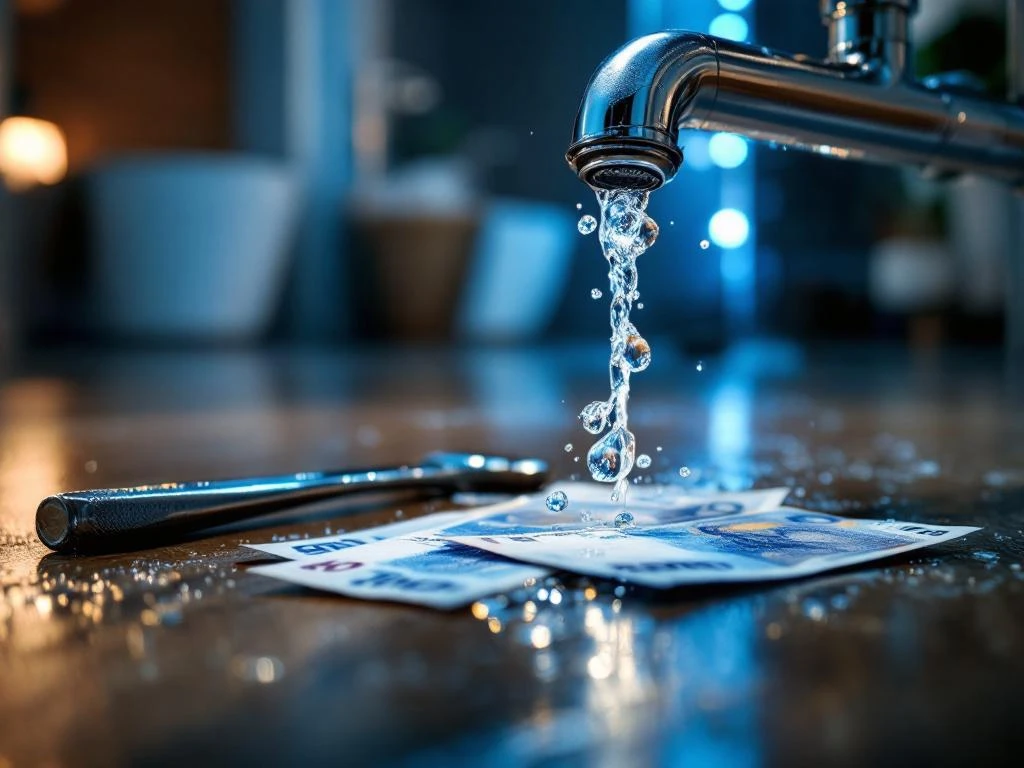

Long-term drain maintenance is about following simple routines that prevent blockages and expensive repairs. By cleaning your drain regularly, using a drain strainer, and avoiding flushing down grease and hair, you keep your system in good condition. Regular maintenance extends the life of your pipes and reduces the risk of acute problems that require prompt assistance from a plumber.
Why is long-term drain maintenance so important?
Preventive drain maintenance saves you from big expenses and unpleasant surprises. When you take care of your drain system, you prevent small problems from developing into serious damage that requires expensive repairs. Clogged drains can lead to water leaks, moisture damage to walls and floors, and in the worst case, health hazards due to bacterial growth and bad air.
Regular maintenance significantly extends the life of your pipes. Removing grease, soap scum and other deposits before they become stuck reduces wear and tear on your drainage system, meaning you'll have fewer emergency situations where you need to call a plumber in the middle of the night or on the weekend.
Good drainage practices also protect the environment around your property. When the drainage works properly, you avoid sewage water leaking into the ground or flowing back into the home. This is especially important in Norway, where we have strict requirements for wastewater management.
What are the most common causes of drain problems?
Hair is one of the biggest culprits when it comes to clogged drains, especially in showers and sinks. Strands of hair get tangled with soap scum and form tight plugs that block the flow of water. This problem builds up gradually over time, and you often only notice it when the water starts to drain slowly.
Grease and cooking oil from the kitchen settle on the inside of the pipes, creating a thick layer that attracts other particles. When you pour hot grease down the sink, it appears liquid, but it quickly solidifies in the colder pipes. Food waste such as coffee grounds, eggs and vegetable scraps make the situation worse by sticking to the grease layers.
Foreign objects like wipes, cotton buds, and hygiene products do not belong in your drain. These products do not dissolve in water and create immediate blockages. Even products marketed as “flushable” can cause problems in your drain system.
Tree roots and corrosion are long-term problems that affect older sewer systems. Roots seek out moisture and can penetrate small cracks in the pipes. Corrosion occurs when metal pipes break down over time, creating uneven areas where debris can easily become trapped.
How do you prevent drain blockages at home?
Start by using strainers in all drains . Simple hair catchers in the shower and sink will stop hair before it gets into the pipes. In the kitchen, use a strainer that catches food waste. Empty the strainers regularly, preferably after each use, and they will work optimally.
Never flush grease, oil or cooking oil down the sink. Collect used cooking oil in a container and recycle it or throw it in the general waste. Dry pots and pans with paper towels before washing them to avoid grease residue going down the drain.
Flush your drains with hot water every week. Run the tap water at its highest temperature for 30-60 seconds to rinse away soap scum and loosen minor deposits. This is a simple routine that keeps your pipes clean and serves as basic drain maintenance.
Be mindful of what you throw down the toilet. Only toilet paper and human waste should be flushed down the toilet. Wipes, sanitary napkins, tampon handles and cosmetics should be put in the trash, not the toilet. This applies even if the packaging says the product can be flushed.
What maintenance routines should you follow for your drain?
Daily habits make a big difference to your drain. Always rinse with cold water after hot water in the kitchen, as this helps grease solidify before it reaches the main drain. Remove visible hair and dirt from drain grates every day, and use strainers consistently in all drains.
Weekly tasks include a thorough flushing with hot water in all drains. Let the water run for at least one minute to remove soap scum and minor deposits. Clean visible parts of the drain pipes under sinks and vanities with a damp cloth to keep an eye on their condition.
Monthly maintenance should include a visual check of all drains. Look for signs of slow drainage, unusual odors, or visible deposits. You can use a simple mixture of warm water and dish soap to flush through the system. This is especially important for floor drains that are used less frequently.
Annual professional inspections are recommended to catch problems early. A plumber can examine the main drain, check for hidden leaks, and assess whether the pipes need more thorough cleaning. In Norway, it is also important to check external drains before winter to avoid frost damage.
Seasonal adaptation is relevant in the Norwegian climate. In the fall, you should clean roof drains and exterior drains of leaves and dirt. Before frost sets in, make sure that the water traps are filled with water or an additive that prevents freezing in rarely used drains.
When should you contact a professional plumber for your drain?
Persistent slow drainage is a clear sign that you need professional help. If the water continues to drain slowly even after you've cleaned the drain and tried simple solutions, there may be a deeper blockage in the main pipe that requires specialized equipment to remove.
Recurring blockages in the same drain indicate an underlying problem. When you have to clear the same drain several times a month, it is likely that there are structural problems such as damage to the pipes, improper slope, or roots that have penetrated the system.
Unusual odors coming from the drain may indicate problems with the ventilation of the drain system or a dry trap. If the odor persists after you refill water in rarely used drains, have a plumber examine the system.
Grunting sounds when you flush or use the toilet are a warning sign. These sounds often occur when there are air problems in the drainage system or when a blockage builds up. This can develop into a bigger problem if not dealt with quickly.
Multiple clogged drains at the same time are a serious sign of problems in the main drain. When the toilet, shower, and sink all stop working at the same time, it is likely that the main pipe is blocked. This requires immediate professional intervention to prevent sewage from flowing back into the home.
Water backing up through other drains is an emergency situation. If water from the shower is coming up into the toilet or sink, it is a serious blockage that needs to be dealt with immediately by a professional.
How do we help with long-term sewer maintenance?
We offer 24/7 service for all types of drainage problems, both urgent and planned. Our customer service is available 24/7, and the call is free. We can help you solve many problems over the phone with practical tips based on our long experience.
When you need a plumber on site, we quickly connect you with the right professionals in our nationwide network. For urgent jobs, a technician can be at your location in under an hour. For scheduled maintenance jobs, we arrange a time that suits you, often the same day or the next business day.
Our sewer maintenance services include:
- Emergency response in case of blockages and flooding
- Scheduled cleaning and inspection of sewage systems
- Camera survey to identify hidden problems
- High-pressure flushing of main drains and external pipes
- Preventive advice tailored to your property
- Follow-up and long-term maintenance planning
We prevent small problems from becoming major damage by providing you with professional guidance and quick access to qualified tradesmen. Our partners are experienced plumbers who know Norwegian conditions and carry out the work from start to finish.
Call 401 24 700 for emergencies or visit our website for scheduled maintenance visits. We help you keep your sewage system in good condition through preventive measures and quick response when problems arise. You can also find more information on how to contact us on our website.
Vanlige spørsmål
How often should I have my drain system professionally inspected?
For most homes, a professional inspection is recommended every 1-2 years, especially if the home is over 20 years old. If you experience recurring problems, live in an area with trees near your drains, or have older metal pipes, you should consider annual inspections. A preventative inspection costs significantly less than emergency repairs.
Can I use chemical drain openers as preventative maintenance?
It is not recommended to use chemical drain cleaners regularly, as they can damage pipes over time, especially older pipes and plastic pipes. The chemicals can also cause corrosion in metal pipes and damage rubber seals. Instead, use natural methods such as hot water, dish soap, or a combination of baking soda and vinegar for regular maintenance.
What do I do if the floor drain smells bad even after I have filled it with water?
Persistent odors may be caused by bacterial buildup in the water trap or deposits on the pipe wall. Try cleaning with a mixture of hot water and dish soap, or pour in a mixture of baking soda followed by vinegar and let sit for 30 minutes before flushing. If the odor persists, there may be a ventilation problem in the drain system that requires evaluation by a plumber.
How do I know if my drain problems are caused by tree roots?
Typical signs of roots in your drain include recurring blockages, especially in the same area, slow drainage that gradually gets worse, and gurgling sounds from multiple drains at once. If you have large trees within 10-15 meters of your main drain and are experiencing these symptoms, you should have a camera inspection performed to confirm whether roots have penetrated the system.
Are there any natural methods to keep drains clean between professional cleanings?
Yes, an effective method is to use a mixture of half a cup of baking soda followed by a cup of white vinegar monthly, leave it on for 30 minutes, then flush with boiling water. You can also use enzymatic drain cleaners that break down organic matter without damaging the pipes. Combine this with weekly flushing with hot water for best results.
What is the difference between high-pressure flushing and regular drain cleaning?
Pressure washing uses high-pressure water to remove stubborn deposits, grease and even small roots from the pipe wall, and is most effective for main drains and external pipes. Conventional drain cleaning involves simpler methods such as mechanical cleaning with a spring or chemical/natural solutions, and is suitable for lighter blockages in internal drains. Pressure washing is carried out by professionals with special equipment, while conventional cleaning can often be done by yourself.
How do I prepare the sewage system for the winter season in Norway?
Before winter sets in, check and clear all exterior drains and roof drains of leaves and debris. Fill the traps in rarely used drains with a mixture of water and antifreeze or a special additive to prevent freezing. Make sure exterior pipes have adequate insulation, and drain any exterior drains that are not frost-proof. Consider a professional inspection before the frost to identify vulnerabilities.