Discovering a water leak in your home can be stressful, but you can temporarily stop it by turning off the main water supply, using water-resistant tape or clamps around the leak, and sealing cracks with epoxy or sealants. These methods give you time to contact a plumber without causing further damage. We explain which measures work best, what tools you need, and when you should seek professional help.
What should you do first when you discover a water leak?
When you discover a water leak, you must immediately turn off the main water tap to stop the flow of water. This is the most important step to prevent further damage. Next, you should locate the leak, move valuable items away from the water, and contact a plumber for professional help.
The main water tap is usually located in the basement, under the kitchen sink or in a utility room. Once you have turned off the water, open the taps in the house to drain any remaining water in the pipes. This reduces the pressure and makes it easier to assess the leak.
After the water is turned off, you can start cleaning the area around the leak. Move furniture, electronics, and other valuables to a dry area. Use towels, rags, or a mop to mop up any water that has already drained. The sooner you act, the less damage you will do to your floors, walls, and fixtures.
Document the damage with photos or video. This may be useful for insurance purposes later. Also check if the leak has affected electrical installations. If water has come into contact with electrical outlets or appliances, turn off the power at the fuse box before continuing.
How can you temporarily stop a water leak before the plumber arrives?
You can temporarily stop a water leak by using waterproof tape around the leak, attaching a rubber clamp over the damaged area, or applying epoxy to cracks. For loose connections, you can tighten them with a wrench. These methods serve as emergency repairs until a plumber can make a permanent repair.
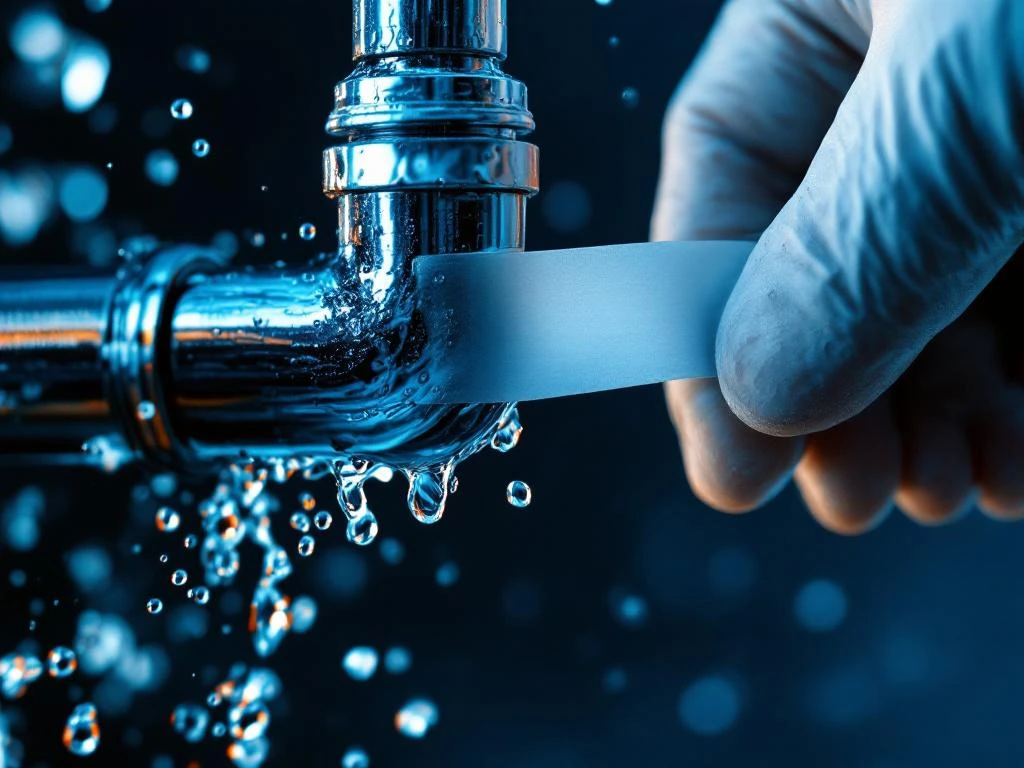
For small cracks in water pipes, waterproof tape or pipe tape works well. Dry the area around the leak thoroughly before applying the tape, and wrap it tightly around the pipe in several layers. The tape sticks best to dry surfaces, so use a cloth to wipe away any water before you begin.
For larger cracks or holes, you can use a combination of rubber clamps and tape. Place a piece of rubber or an old bicycle tube over the hole and secure it with a metal clamp. Tighten the clamp firmly, but be careful not to crush the pipe. This method works especially well on older metal pipes.
Epoxy adhesive or specialty pipe sealants can be used on smaller cracks. These products cure quickly and create a water-resistant seal. Always read the instructions carefully and make sure the area is clean and dry before applying. Apply a thick layer and allow to cure completely before turning the water back on.
For leaks at couplings and joints, the problem is often a loose connection. Use a wrench to gently tighten the coupling. Do not use excessive force as this can damage the threads and worsen the leak. If tightening does not help, apply Teflon tape to the threads before screwing the coupling back together.
What tools and materials do you need to temporarily stop a water leak?
To deal with an emergency water leak at home, you should have wrenches, waterproof tape, epoxy glue, rubber clamps, rags, and buckets on hand. These tools will allow you to carry out emergency repairs quickly and efficiently until professional help arrives. It pays to have these items readily available in a tool cabinet or utility room.
Wrenches in different sizes are essential for tightening loose connections and joints. An adjustable wrench will cover most needs, but it is useful to have both small and larger fixed wrenches for a better grip on different pipe dimensions.
Waterproof tape or duct tape is the most useful tool for quick temporary repairs. Choose tape that is specifically designed for wet conditions, as regular tape does not stick well to damp surfaces. Silicone-based tape that melts when stretched provides extra tightness.
Epoxy adhesives or specialty pipe sealants are useful for sealing small cracks and holes. These products often come in two components that are mixed together before use, and they cure to a hard, water-resistant mass. Some varieties can even be applied to wet surfaces.
Rubber clamps or hose clamps in various sizes allow you to secure rubber material over leaks. Together with a piece of rubber or an old bicycle inner tube, these can provide a solid temporary solution for larger holes and cracks.
Cloths, towels, and buckets are necessary to handle the leaking water. Always have some extra cloths on hand, and use buckets to collect water from under the leak while you work on the repair.
When should you contact a plumber for a water leak?
You should contact a plumber immediately if the water leak is large, comes from an unknown source, affects electrical installations, or causes structural damage. Even minor leaks should be assessed by a professional as soon as possible, as temporary solutions are not permanent. In the case of emergency water leaks, you need help that can be on site quickly to minimize damage.
Large water leaks that cannot be stopped by turning off the water main require immediate professional help. This also applies to situations where you cannot find the source of the leak, or when water is pouring in from walls, ceilings, or floors. Such leaks may indicate serious problems in the plumbing system that require specialized equipment and knowledge.
If the water leak occurs near electrical installations, sockets or fuse boxes, contact a plumber immediately. Water and electricity are a dangerous combination that can cause a short circuit, fire or electric shock. Turn off the power and stay away from the area until professionals have made the situation safe.
Leaks that affect the structure of the building, such as water stains on the ceiling, damp walls or water running down through the floors, need to be addressed quickly. Such damage can lead to mold growth, wood rot and structural weakening if not repaired properly.
Even if you have managed to temporarily stop a water leak, you should make an appointment with a plumber for a permanent repair. Temporary solutions can fail at any time, especially when water pressure increases or temperatures change. A professional can identify the underlying cause and perform a permanent repair.
We offer 24/7 plumbing services for both emergency and scheduled jobs. For urgent jobs, our technicians can be on site quickly to handle water leaks professionally. Call 401 24 700 for emergencies or visit 24center.no for more information about services , or contact us for scheduled visits.
Vanlige spørsmål
How long does a temporary repair of a water leak last?
A temporary repair with tape, clamps, or epoxy usually lasts from a few hours to a few days, depending on the water pressure and the size of the leak. These solutions are intended as emergency measures only until a plumber can make a permanent repair. It is important to monitor the temporary repair closely and be prepared for it to fail at any time.
Can I use the water in the house after I have made a temporary repair?
It is recommended to keep the main water shut off or use water very sparingly after a temporary repair. If you must turn on the water, do so at low pressure and monitor the leak site closely to ensure the repair is holding. Avoid using hot water or appliances such as washing machines and dishwashers that create high water pressure, as this may cause the temporary solution to fail.
What do I do if the water leak occurs in the middle of the night or on the weekend?
Immediately turn off the main water tap and take temporary safety measures as described in the article. Then contact a 24-hour plumbing service for emergency jobs. Many plumbers offer 24/7 emergency services to handle water leaks that cannot wait until regular business hours. It is a good idea to have the number of an emergency plumbing service readily available on your phone.
Does insurance cover damage from water leaks?
Most home insurance policies cover sudden and unexpected water leaks, but not damage caused by poor maintenance. Document the damage thoroughly with photos and video, and contact your insurance company as soon as possible. Keep receipts from the plumber and any cleanup or drying costs, as these may be relevant to your insurance claim.
How do I find the main water tap if I don't know where it is?
The main water valve is usually located in the basement, under the kitchen sink, in a utility room, or in a basement hallway. It may also be in a cupboard by the front door or by the water meter. If you are new to your home, you should locate the main water valve before an emergency occurs, and mark it clearly so that everyone in the household knows where it is.
What are the most common causes of water leaks in the home?
The most common causes include worn gaskets and seals, corroded or rusted pipes, winter frost bursting, loose connections, and high water pressure. Older homes with metal pipes are particularly susceptible to corrosion, while plastic pipes can burst from frost damage. Regular maintenance and inspection of the plumbing system can prevent many leaks.
Can I perform a permanent repair to a water leak myself?
Simple repairs like replacing a gasket on a faucet or tightening a loose fitting can be done yourself if you have basic knowledge and the right tools. For more extensive repairs like replacing pipe sections, soldering or working on water mains, you should always contact a licensed plumber. Improperly performed work can lead to more serious damage and problems with insurance coverage.