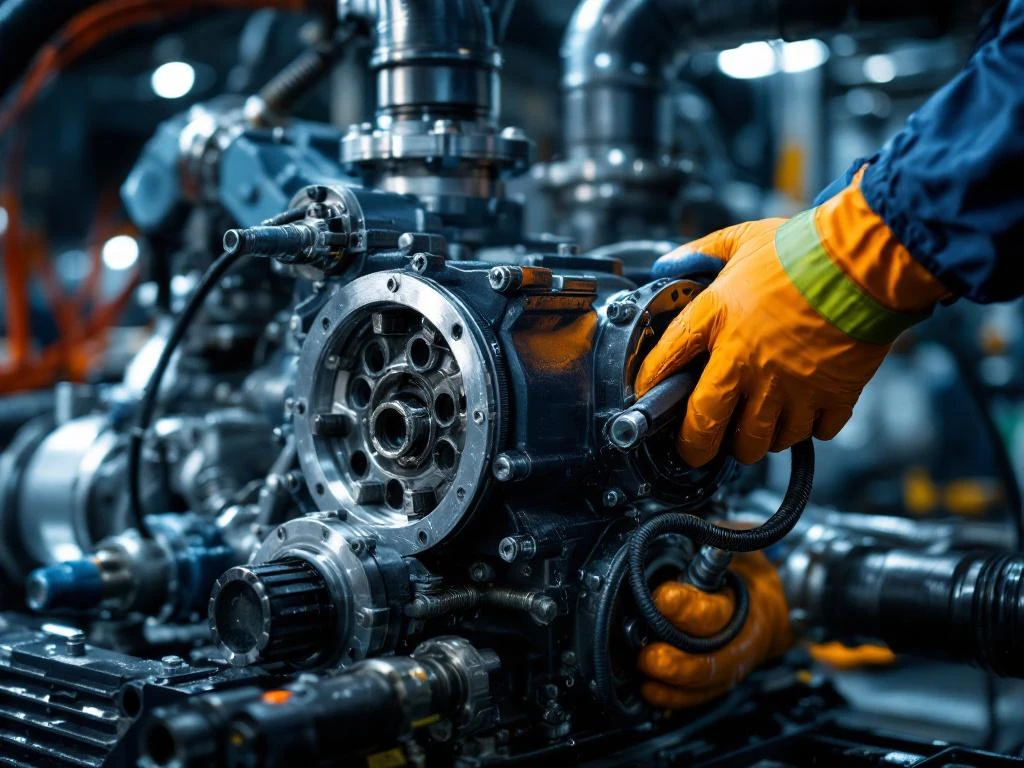
Servicing a water jetting pump involves checking, cleaning and maintaining the components that create high pressure to clear sewage systems. Regular maintenance includes inspecting seals and gaskets, checking oil levels, cleaning filters and testing pressure levels. This work ensures that the pump is operating optimally and extends the life of the equipment. Good maintenance practices prevent costly repairs and reduce the risk of downtime during important missions.
What is a car wash pump and how does it work?
A drain pump is a high-pressure pump that creates the powerful water pressure needed to clear clogged drains and sewer systems. The pump takes water from the drain tank or external water source and forces it through a nozzle at extremely high pressure, often between 100 and 300 bar. This pressure is powerful enough to loosen deposits, grease, limescale and other materials blocking the drain.
The pump consists of several important components that work together. The motor drives the pump housing, which contains the piston mechanism or rotating elements that create the pressure. Seals and gaskets ensure that the system maintains pressure without leakage. Pressure regulating valves protect the pump from overloading, while filters prevent dirt and particles from damaging the internal parts.
There are two main types of pumps used in water jetting. Piston pumps use a reciprocating motion to create pressure and are common in heavier industrial water jetting. Rotary pumps use rotating elements and are often found in smaller units. The choice between these depends on the amount of pressure and capacity needed for the particular job.
Why is regular servicing of car wash pumps important?
Regular servicing of water truck pumps significantly extends the life of the equipment and prevents costly repairs. A well-maintained pump can last many years longer than one that is not properly maintained. Maintenance also ensures that the pump delivers the right pressure and capacity when you need it, which is important for completing tasks efficiently.
Lack of maintenance leads to several problems. Worn seals can cause leaks and pressure drops, which reduce cleaning efficiency. Dirty filters restrict water flow and force the pump to work harder, which increases wear. Lack of lubrication creates friction and heat that can permanently damage pump components.
Safety is another important reason for regular servicing. High-pressure equipment can be dangerous if it fails during operation. Defective hoses or couplings can cause sudden pressure releases that can injure operators or equipment. Systematic checks of all safety components reduce the risk of accidents in the workplace.
From an economic perspective, preventive maintenance offers great value. Minor service tasks cost little compared to replacing an entire pump or repairing extensive damage. Downtime due to equipment failure also means lost revenue and unhappy customers waiting for service.
What service tasks are included in the maintenance of water truck pumps?
Maintenance of water truck pumps includes both daily checks and periodic service tasks. Daily checks include a visual inspection of the pump for leaks, unusual noises or vibrations. You should also check that all safety features are working before starting work. This quick check only takes a few minutes, but can prevent major problems.
Weekly maintenance goes deeper. Check the oil level in the pump housing and top up if necessary with the correct type of oil. Inspect seals and gaskets for wear or damage. Clean or replace filters that prevent particles from entering the pump. Check that all hoses and connections are secure and show no signs of cracking or wear.
Periodic main service is usually performed annually or after a certain number of operating hours. This includes:
- Complete inspection and replacement of worn seals and gaskets
- Checking and calibrating pressure regulating valves
- Testing pump performance and pressure levels during operation
- Replacement of wearing parts such as valves, springs and struts
- Thorough cleaning of pump housing and internal components
- Lubrication of all moving parts with approved lubricants
Documenting all service tasks helps you keep track of your maintenance history and plan future service intervals. Note down what was done, when it was done, and any observations that may be useful later.
How often should car wash pumps be serviced?
Service intervals for truck wash pumps depend on how intensively the equipment is used. Pumps that run daily will need more frequent service than those that are used sporadically. The manufacturer's recommendations provide a good starting point, but you will need to adapt the intervals to your actual working conditions.
Daily maintenance takes a short time and should be done each time the pump is used. This includes a visual inspection, checking the oil level and inspecting visible components. Monthly inspections are more thorough, checking filters, seals and hoses. Annual major services include a complete overhaul and replacement of wear parts.
The number of operating hours affects the need for service more than calendar time. A pump that runs 200 hours a month will need service more often than one that is only used 20 hours. Many professionals follow the manufacturer's recommendations of servicing every 500-1000 operating hours, depending on the pump model and operating conditions.
The type of job also plays a role. Heavy-duty jobs with a lot of grease or lime put more strain on the pump than lighter cleaning jobs. Working in cold environments can affect lubrication and seals, while hot conditions can increase wear. Adapt your maintenance schedule to the actual stresses your pump is exposed to.
The age of the pump also requires attention. Older pumps require more frequent service as components wear out. Create a maintenance plan that combines the manufacturer's recommendations with your own experience of how the pump performs over time.
How can we help with car wash related problems?
When you experience drainage system issues that require a water truck service, we serve as your point of contact for fast and efficient assistance. We connect you with qualified professionals and partners who have access to water trucks and the necessary equipment to resolve your drainage issues professionally.
Our customer service team is available 24/7 to help you connect with the right professional to handle your specific problem. Whether it's clogged drains, sewage problems, or the need for preventative flushing, we'll find the best solution for you through our services .
How we help you:
- Available customer service 24/7 for both urgent and planned assignments
- Fast response time with on-site technician within one hour for urgent assignments
- Connection to experienced professionals with professional car wash equipment
- Handling both private and business customers throughout Norway
- Free phone call with the possibility of guidance and tips
Many minor drain problems can be solved with simple steps at home, and our customer service is happy to share experience and tips that can help you. For larger problems that require a professional drain cleaning truck, we ensure that the right professional arrives quickly.
Call 401 24 700 for urgent matters or visit 24center.no for scheduled assignments. You can also find all the necessary contact information on our website to get in touch with us in the way that suits you best.
Vanlige spørsmål
What signs indicate that my car wash pump needs urgent service?
Immediate warning signs include unusual noises such as knocking or scraping, visible oil or water leaks, significant pressure drop during operation, or severe vibration. If the pump overheats rapidly, emits a burning odor, or fails to reach normal operating pressure, stop use immediately and contact a service professional. Continued operation with these symptoms may cause serious damage to the pump.
Can I service the car wash pump myself, or do I need a professional?
Daily checks and simple maintenance such as oil checks, filter cleaning and visual inspection can be done by yourself with the right training. For more extensive work such as replacing seals, calibrating pressure valves and major servicing, it is recommended to use certified professionals. This ensures that the work is done correctly, maintains the warranty, and reduces the risk of errors that can be dangerous on high-pressure equipment.
What type of oil should I use in the car wash pump?
Always use the type of oil specified by the manufacturer in the user manual, as the wrong oil can damage the pump. Most high-pressure pumps require special pump oil with high viscosity and good lubricating properties, often SAE 30 or 40 non-detergent oil. Check the oil level weekly during intensive use, and change the oil according to the manufacturer's recommendations, typically every 500-1000 operating hours or annually.
How much does it cost to maintain a car wash pump annually?
Annual service costs vary based on pump model, usage intensity, and whether you do it yourself or use a professional. Expect to pay between $500-$1500 for an annual major service by a professional, including parts like seals, filters, and oil. Daily and weekly maintenance you do yourself costs minimal, mainly consumables like oil and filters. Preventive maintenance is always cheaper than replacing a broken pump, which can cost $500-$200,000 or more.
How do I store the car wash pump properly when not in use?
Drain the pump completely of water before storage to prevent frost damage and corrosion, especially during cold months. Run antifreeze or pump oil through the system if the pump is to be stored for a long time. Store the pump in a dry, frost-free location, cover it to protect it from dust, and disconnect it from the power source. Before starting up after a long period of storage, check all seals, oil level and filters thoroughly.
Does water quality affect the lifespan of the car wash pump?
Yes, water quality is very important for the life of the pump. Hard water with a lot of lime can create deposits in the pump and on valves, while water with a lot of sand or particles accelerates wear on seals and pistons. Always use clean water sources and ensure that filters are functioning optimally. When working with particularly contaminated water, increase the frequency of filter cleaning and inspection of internal components.
What should I do if the pump loses pressure in the middle of a mission?
Stop the pump immediately and first check for visible leaks in hoses, connections and seals. Check that the water supply is adequate and that the filters are not clogged. If no obvious problems are found, there may be internal wear on seals or valves that require professional attention. Do not continue to operate the pump at low pressure as this may cause further damage and ineffective cleaning.