Preventing frozen water pipes in winter is about protecting your pipes from extreme cold through insulation, maintaining a consistent temperature, and taking preventative measures. When temperatures drop below freezing, water in your pipes can expand and cause serious pipe bursts. Proper insulation of exposed pipes, especially in exterior walls and cold rooms, is the most important measure. In addition, you should run the water slowly during cold spells and keep all rooms in your house heated.
What happens when water pipes freeze, and why is it dangerous?
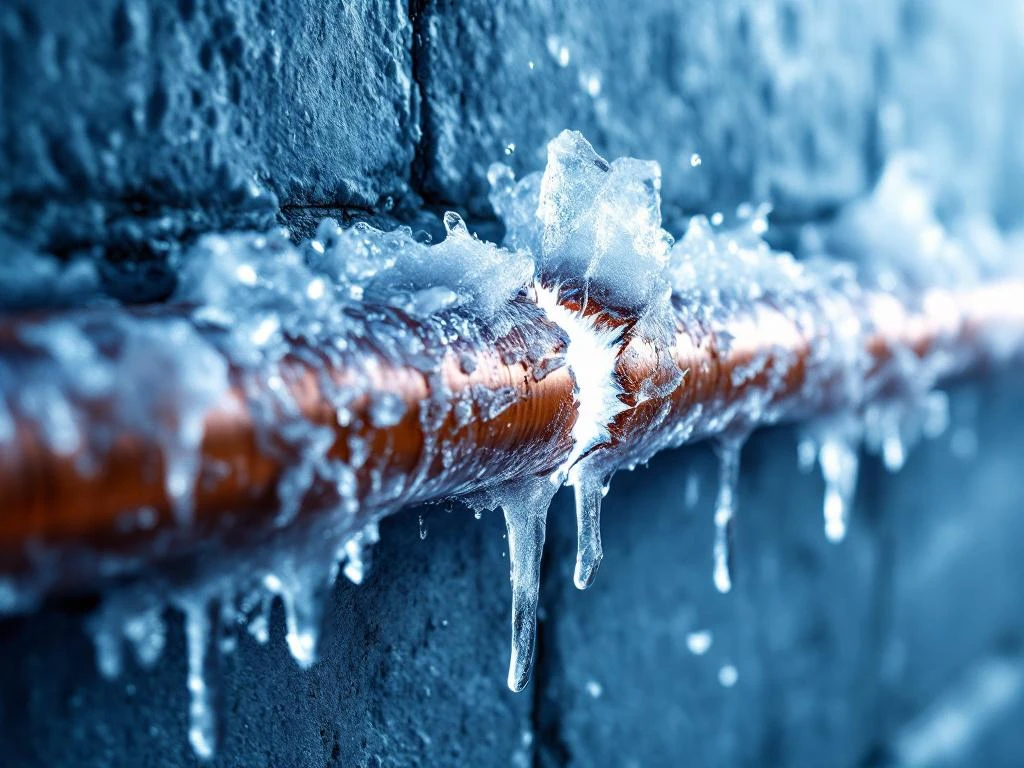
When water freezes into ice, it expands by about 9 percent in volume. This expansion creates enormous pressure inside water pipes, and when the pressure becomes too great, the pipe bursts. The problem often occurs not while the pipe is frozen, but when the ice thaws and the water begins to flow freely through the crack.
A burst pipe can release hundreds of liters of water per hour directly into the walls, under the floor or in the basement. The water damage can destroy insulation, woodwork, electrical installations and personal belongings. Moisture damage often leads to mold and rot that require extensive remediation.
In Norwegian winters with prolonged cold spells, the risk is particularly high. Temperatures below minus ten degrees can freeze pipes in a matter of hours if they are not adequately protected. The repair costs of a burst pipe include not only replacing the pipe, but also repairing all water damage, which can quickly amount to tens of thousands of kroner.
Prevention is therefore far more profitable than repair. Simple measures such as insulation and temperature control cost little compared to the consequences of a pipe burst.
Which water pipes are most susceptible to freezing in winter?
Water pipes in exterior walls are particularly vulnerable because they are exposed to cold from outside. When the outside temperature drops and the insulation in the wall is inadequate, these pipes can freeze quickly. Pipes in unheated spaces such as basements, attics and crawl spaces are also high on the list of vulnerable locations.
Outdoor faucets and pipes leading to outdoor faucets are extremely vulnerable. These pipes are often partially exposed to outside temperatures and lack heat input from heated rooms. Even if you turn off the water supply to the outdoor faucet, any remaining water in the pipe can freeze if it is not drained properly.
In Norwegian homes, it is common to have pipes in exterior walls facing north and west, where the cold is most intense and solar heat is minimal. Older houses with poor insulation are particularly vulnerable. Modern homes often have better insulated pipes, but here too, weaknesses in the construction can create thermal bridges to the pipes.
Pipes in garages and outbuildings that are not fully heated are also vulnerable. If you have a vacation home that is empty during the winter, all water pipes are potentially at risk unless you have drained the system or kept heating to a minimum.
How do you effectively insulate water pipes against the cold?
The easiest way to insulate water pipes is to use foam insulation sleeves that you cut to the right length and attach around the pipes. These sleeves come in different thicknesses and diameters, and you choose the size based on the dimension of the pipe. Thicker insulation provides better protection against extreme cold.
Start by identifying all pipes that are in unheated rooms or near exterior walls. Measure the length of the pipes and purchase enough insulation to cover the entire length. Foam insulation sleeves usually have a slit along the length that allows you to easily snap them into place around the pipe. Secure the ends with tape or zip ties to ensure the insulation doesn't slip off.
For extra exposed areas, you can supplement with heating cables that are wrapped around the pipe before you apply the insulation. The heating cables are connected to electricity and maintain a low, constant temperature that prevents freezing. This solution is ideal for outdoor taps and pipes in crawl spaces where the temperature can get very low.
Insulating tape can be used on shorter pipe runs or hard-to-reach areas, but it doesn't provide as much protection as foam sleeves. If you have pipes in exterior walls that you can't get to without opening the wall, consider keeping cabinet doors open to allow warm air from the room to reach the pipes.
What preventive measures should you take before cold spells?
Before the cold weather sets in, you should carry out a systematic check of all vulnerable points in your water installation. Keep the indoor temperature at a minimum of 15 degrees in all rooms, even those you rarely use. Consistent heating is the most effective measure against frozen pipes.
During periods of extreme cold, you can leave faucets running gently, especially those connected to pipes in exterior walls. Running water freezes more slowly than stagnant water, and even a small stream can prevent ice from forming. Open cabinet doors under the kitchen sink and in bathrooms to allow warm air to reach the pipes behind.
Disconnect garden hoses and water hoses from outdoor faucets. Empty the hoses of water and store them indoors. Close the valve to the outdoor faucet from the inside and open the faucet from the outside to empty the pipe of residual water. This is especially important because outdoor faucets are among the most vulnerable points.
If you are going to be away from home for long periods during the winter, you will either need to keep the heating on or drain the entire water system. Draining the system involves turning off the main tap, opening all taps and draining the water heater. This is more extensive, but necessary if you cannot guarantee heating.
Check the insulation in the attic and crawlspace. Poor insulation in these areas makes pipes more vulnerable. Seal any air leaks around windows and doors that could create a cold bridge to the pipes.
What do you do if the water pipes start to freeze?
If you notice reduced water pressure or frost on visible pipes, these are signs that freezing is in progress. Act quickly, because the faster you thaw the pipe, the less likely it is to burst. Open the affected faucet and leave it open while you work to thaw the pipe.
Use a hair dryer or hot towels to warm up the frozen section of the pipe. Start closest to the faucet and work your way toward the frozen section. Never use an open flame, gas burner, or other high heat source, as this can damage the pipe or start a fire. Steady, moderate heat is safer and more effective.
If the pipe is inside a wall and you can't reach it, you can increase the room temperature and open cabinet doors to allow warm air to circulate. A fan heater aimed at the wall can also help, but this takes longer than directly heating the pipe.
If you suspect that the pipe has already burst, turn off the main water valve immediately. Open all faucets to drain any water still in the system and relieve pressure. A burst pipe will release large amounts of water as the ice melts, so quick action can significantly limit water damage.
When the situation is beyond your control or you are unsure of what to do, you should contact professional help. 24 Center offers 24/7 plumbing services and can be on site quickly to deal with frozen pipes and burst pipes. Our technicians are experienced in Norwegian winter conditions and can both thaw pipes safely and repair any damage.
Call 401 24 700 for emergencies or visit our contact information for scheduled visits. Good prevention gives you peace of mind throughout the winter, but if the problem arises, we are ready to help you quickly and professionally.
Vanlige spørsmål
How much does it cost to insulate water pipes in a typical home?
The cost of insulating water pipes varies with the size of the house and the number of exposed pipes, but foam insulation sleeves typically cost 30-80 kroner per meter depending on thickness and quality. For an average home, you can insulate the most critical pipes for 500-1500 kroner in material costs, which is very reasonable compared to the repair costs of 50,000-200,000 kroner in the event of a pipe burst. If you want professional installation of heating cables in addition, you must expect a few thousand kroner extra.
Can I use antifreeze in my water pipes to prevent freezing?
No, you should never use antifreeze in the drinking water system as this is toxic and makes the water unfit for consumption. Antifreeze is only relevant in closed systems that are not connected to drinking water, for example in heat pumps or heating systems. For the drinking water system, insulation, heating and dripping taps are the only safe methods.
How long can I be away from home in the winter without draining the water system?
If you keep the heating at a constant minimum of 15 degrees in all rooms, you can be away for several weeks without any problems. Consider using a smart thermostat that alerts you if the temperature drops unexpectedly. In the event of a power outage or if you cannot guarantee heating, you should drain the water installation after 24-48 hours of temperatures below freezing, depending on how well the house is insulated.
How do I know if a pipe has burst before the water starts flowing?
Unfortunately, it is difficult to detect a burst pipe while it is still frozen, as the water is trapped by the ice. Typical signs after thawing include sudden water leaks from walls or ceilings, damp spots, increased water consumption on the meter without any apparent use, and reduced water pressure. It is best to be present when the temperature rises after a cold spell, so that you can turn off the main tap quickly if a leak occurs.
Is it necessary to insulate pipes in newer houses built after 2010?
Although modern houses generally have better insulation and construction standards, it is still necessary to check pipes in unheated rooms such as crawl spaces, garages and attics. Pipes to outdoor taps are at risk regardless of the year of construction. The TEK17 regulation sets higher requirements for insulation, but individual weaknesses in the construction or placement of pipes can still create risks, so a review of vulnerable points is always advisable.
What signs indicate that the insulation on the water pipes needs to be replaced?
Foam insulation should be replaced if it is compressed, damp, has cracks or holes, or has lost its elasticity and is falling off the pipes. Moisture in the insulation drastically reduces its effectiveness and may indicate previous frost problems or condensation. In general, good quality insulation will last 10-15 years under normal conditions, but you should inspect it annually before winter and replace damaged sections immediately.
What is the most common mistake people make when trying to prevent frozen pipes?
The most common mistake is to only insulate visible pipes while forgetting about pipes inside external walls and in inaccessible areas. Many people also forget to drain and disconnect outside taps properly, which causes residual water to freeze in the pipe. Another typical mistake is to lower the indoor temperature too much to save energy, without understanding that the repair costs of a broken pipe far exceed the savings on heating.