Protecting water installations from frost is about preventing water pipes from freezing and bursting when temperatures drop below freezing. Frost damage to water pipes can lead to major water leaks, costly repairs and extensive water damage to your home. By insulating exposed pipes, draining water pipes when necessary and acting quickly when they freeze, you can avoid the most serious problems. Here are the answers to the most important questions about frost protection for pipes.
What happens when water pipes freeze, and why is it dangerous?
When water in pipes freezes, it expands by about 9 percent in volume. This expansion creates enormous internal pressure that pushes against the pipe wall. When the pressure becomes too great, the pipe bursts, and when the ice melts, the water flows out, causing extensive damage.
The danger lies not only in the freezing process itself, but in what happens afterwards. Many people don't realize that the pipe has burst until the ice thaws and the water starts to flow out. By then, large amounts of water may have already leaked into the walls, ceiling and floor.
Water leaks from frost heave can destroy insulation, woodwork and electrical installations. Moisture damage can lead to mold and rot that require extensive repairs. Repair costs include both replacing pipes and repairing any secondary damage caused by the water.
The problem is often exacerbated by the fact that frost damage occurs when you are not home. In holiday homes and during holidays, water can run for days before anyone notices the leak. This makes early prevention the best protection against frost damage to water pipes.
Which water installations are most susceptible to frost damage?
Water pipes in exterior walls are most vulnerable to frost because they are closest to the cold outside air. Pipes in garages, basements, and unheated crawl spaces are also high on the list of places at risk. Exterior water taps and pipes in unheated rooms freeze quickly when the cold weather sets in.
Several factors increase the risk of water installations freezing. Poor insulation around the pipes provides little protection against the cold. Pipes that are far from heated rooms do not receive enough heat to stay above freezing. Draft from leaky walls and windows brings cold air directly into the water pipes.
You should prioritize frost protection of the following locations:
- Pipes in exterior walls facing north and west, which receive the least sun
- Water pipes in garages and outbuildings without heat
- External water connections and garden taps
- Pipes in crawl spaces with little or no insulation
- Water installations in rooms above unheated basements
In holiday homes that are empty during the winter, all water installations are exposed. Without heating, the temperature indoors will drop to the same level as outside, and all pipes can freeze. Here, completely draining the water supply is the safest solution.
How do you effectively insulate water pipes against the cold?
Effective water pipe insulation starts with identifying all exposed pipes. Foam insulation is the most common solution for most pipes. These tubular insulation sleeves are clamped around the pipe and provide good protection against the cold. They are available in various thicknesses and sizes to suit different pipe dimensions.
For pipes in particularly cold areas, heating cable provides extra safety. The cable is wrapped around the pipe and connected to electricity to maintain a constant temperature above freezing. This is well suited for external taps and pipes in crawl spaces where regular insulation is not enough.
How to insulate water pipes step by step:
- Find all pipes in unheated rooms and exterior walls
- Measure pipe length and diameter to purchase the correct insulation
- Open the foam insulation along the seam and press it around the pipe
- Glue the seam together with tape or special glue
- Seal all holes and cracks where pipes pass through walls
You can insulate most water pipes yourself with simple equipment from the hardware store. Insulating tape works as a supplement to foam insulation in hard-to-reach places. For complex installations or pipes in hard-to-reach areas, you may want to contact us for professional help.
Remember that insulation protects against moderate cold, but not against prolonged severe frost in unheated rooms. In such cases, you must combine insulation with heating or drain the water pipes completely.
When should you drain water pipes, and how do you do it correctly?
You should drain water pipes when a home is to be left empty without heating throughout the winter. This applies to holiday homes, cabins and homes that are not used during the cold season. Even shorter periods of absence of more than a week during cold periods may require draining if the heating is to be off.
Completely draining water installations requires a systematic approach to get all the water out. Even small amounts of water left behind can freeze and cause damage. Here is the correct procedure:
- Close the main water valve that stops the supply to the building.
- Open all the taps in the house to drain the water.
- Drain the water heater via the drain tap at the bottom of the tank.
- Flush the toilets to empty the cisterns
- Pour antifreeze into all drains to protect the water traps.
- Use compressed air to blow out the last remaining water from the pipes.
Many people forget to drain their water heater, which can cause major damage. The tank contains many liters of water that expands greatly when frozen. Also remember the water traps in the drain, which must be protected with antifreeze since the water cannot be completely drained.
Common mistakes include thinking that just opening the taps is enough. Without compressed air, water will always remain in low spots and bends in the pipeline. Another mistake is forgetting about outside taps and garden hoses, which need to be disconnected and drained separately.
When you are going to put water installations back into use, carefully open the main water tap and check for leaks before leaving the building. Fill the water traps with water and check that all taps are working properly.
What can you do urgently if the water pipes have already frozen?
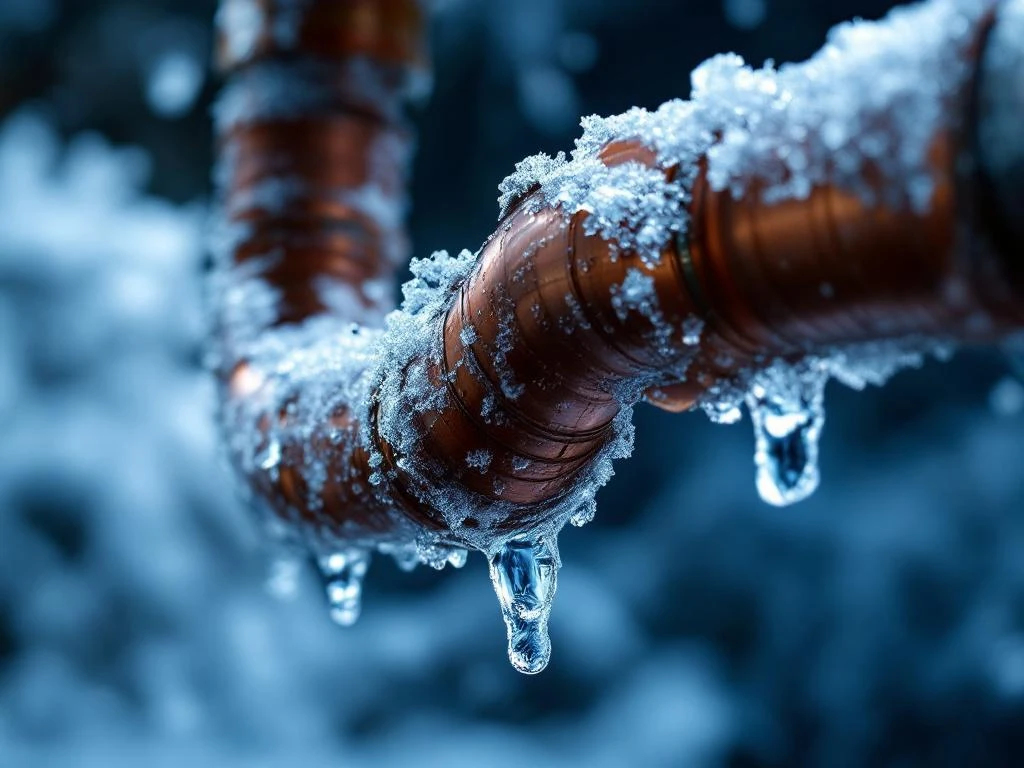
When water pipes have frozen, it is important to thaw them carefully without causing cracks. You often notice frozen pipes when no water comes out of the tap even when it is turned on. The pipes may also be covered in frost or frost on the outside if they are located in cold rooms.
Safe thawing methods include using a hair dryer, fan heater, or electric heating pads placed against the pipe. Always start heating closest to the faucet and work your way back toward where the pipe is frozen. This allows the water to drain out as the ice melts.
Dangerous methods you should never use include open flames, blowtorches, or other equipment that produces extreme heat. This can damage the pipe material and start a fire in the building. Rapid heating can also cause the pipe to burst due to uneven expansion.
If you suspect that the pipe has already burst, turn off the main water tap immediately. As the ice thaws, water will flow out through the crack and cause major damage. Keep the taps open to reduce pressure in the system while thawing.
Situations that require urgent professional help:
- You can't find where the pipe is frozen.
- The pipe is inside the wall or floor where you cannot reach it.
- You see signs of leakage or water marks
- Multiple pipes are frozen at the same time
- Thawing attempts yield no results after one hour
We are available 24/7 for frost damage to water installations. Our plumbers have the equipment to find frozen pipes and thaw them safely, even when they are out of reach. For urgent assignments, we can be on site quickly to limit the damage.
Prevention is always better than emergency repairs. When the cold weather arrives, make sure exposed pipes are insulated and that the heating keeps the temperature above zero in all rooms with water installations. If you are away for a long time, drain the water pipes or have someone check the home regularly.
Call 401 24 700 for emergencies with frozen or cracked water pipes, or visit 24center.no for planned frost protection of water installations before the cold sets in. We also offer services that help you with prevention and maintenance of water installations throughout the year.
Vanlige spørsmål
How much does it cost to insulate water pipes in an average home?
The cost of insulating water pipes varies depending on how many meters of pipes you have and the type of insulation. For a typical detached house, you can expect to pay 50-150 kroner per meter for foam insulation that you install yourself. Heating cables cost more, from 200-400 kroner per meter including installation. Most homes need to insulate 10-30 meters of exposed pipes, which gives a total cost of 2000-6000 kroner for a complete solution.
Can I let a faucet drip to prevent freezing instead of insulating?
Yes, letting a faucet drip lightly can prevent freezing during short periods of cold weather because the movement of the water makes it harder to freeze. However, this is not a permanent solution as it wastes water, increases your water bill and does not provide reliable protection in extreme cold. Use the drip method only as a temporary measure in emergency situations, and always combine it with proper insulation for long-term protection.
How long can it take for frozen pipes to thaw naturally when the temperature rises?
Natural thawing of frozen pipes can take anywhere from a few hours to several days, depending on how much ice has formed and how quickly the temperature rises. The problem is that you have no control over the process, and the pipe can burst during thawing without you being there to shut off the water. It is therefore always better to thaw the pipes in a controlled manner with a hair dryer or fan heater while monitoring the situation, so that you can react immediately if a leak occurs.
Do I have to drain the entire water system if only one outside tap is exposed to frost?
No, you don't need to drain the entire water system for one outside faucet. Most outside faucets have a shut-off valve inside the heated area that allows you to shut off the water to just that faucet. Close this valve, open the outside faucet to drain the water, and leave the faucet open throughout the winter. This protects just that one faucet without affecting the rest of the water installation in your home.
How do I know if a pipe has burst before the ice has thawed?
It's difficult to spot cracks before the ice melts, but some signs may indicate damage: visible dents or deformations on the pipe, frost or rime accumulating in one spot, or a metallic popping sound as the ice expands. If you suspect a crack, turn off the main water valve before thawing, open all faucets to relieve pressure, and monitor the pipe closely as it thaws. Have buckets and towels ready, and be prepared to call a plumber immediately if you see a leak.
Are there any simple signs I can look for to detect that pipes are about to freeze?
Yes, several early warning signs can indicate that pipes are about to freeze: reduced water pressure or flow from faucets, cold pipes covered in condensation or frost, an icy smell from faucets, or pipes that feel unusually cold to the touch. If you experience any of these signs when the temperature is below freezing, immediately turn up the heat in the room, open cabinet doors under sinks to let warm air in to the pipes, and consider letting the faucet drip until you can properly insulate the pipe.
What temperature should I maintain in my vacation home to avoid frost damage without draining the water pipes?
To avoid frost damage without draining the water pipes, you should maintain a minimum of 5-7 degrees Celsius in all rooms with water installations. This provides a safety margin even if the temperature drops slightly. Use a thermostat with frost protection and install a temperature alarm that alerts you if the temperature drops too low. Remember that this solution requires a reliable power supply and costs more in heating costs than draining the system, but it is practical if you visit your holiday home during the winter.