Electrical safety in the home is about preventing dangerous situations before they occur. You should check your electrical system regularly to detect wear and tear, reduce fire hazards, and ensure that the installation is working properly. Homeowners are advised to carry out a thorough electrical inspection every five to ten years, depending on the age and condition of the home. This protects both people and property from electrical hazards.
Why is regular inspection of the electrical system important?
Electrical systems age and wear out over time, even if you can't see it with the naked eye. Old cables, loose connections, and outdated components increase the risk of fire, electric shock, and damage to appliances. Regular home electrical inspections help you identify problems before they develop into dangerous situations.
Electrical fires often start in walls or under floors, where you can't see the problems. Faulty wires heat up, insulation becomes brittle, and connections come loose. These conditions create dangerous situations that can lead to serious damage to the home and the people living there.
Preventive maintenance of the electrical system protects your investment. Insurance companies often require documentation that electrical installations have been inspected and approved, especially in older homes. Lack of documentation can affect insurance coverage in the event of damage.
Norwegian homes built before the 1990s often have electrical systems that do not meet today's safety requirements. Older installations often lack ground fault circuit interrupters and have insufficient capacity for modern power consumption. A professional electrical inspection reveals such deficiencies and gives you the opportunity to upgrade before problems arise.
How often is it recommended to check the electrical system in your home?
Recommended intervals for home electrical inspections vary based on the age of the home and the type of installation. Homes built before 1990 should be inspected every five years , while newer homes can wait up to ten years between each thorough inspection. These guidelines follow the NEK 400 standard and recommendations from the Directorate for Civil Protection and Emergency Preparedness (DSB).
There are different levels of electrical maintenance. As a homeowner, you can perform simple visual checks every six months, looking for visible signs of wear and tear. Professional electrical checks are more comprehensive and include testing safety equipment, measuring electrical values, and documenting the condition of the system.
Older homes require closer monitoring because components and materials have a shorter lifespan. If your home has original electrical wiring from before the 1970s, consider a complete review by a licensed electrician. Such installations often lack modern safety features such as ground fault circuit interrupters.
When buying a used home, it is always recommended to have an electrical inspection before taking possession. This gives you an overview of any upgrade needs and can be used as a basis for negotiations. Many home buyers only discover electrical deficiencies after moving in, which leads to unexpected costs.
What is the difference between a self-check and a professional electrical inspection?
Self-checks include simple visual checks that you can safely perform yourself, while professional electrical checks require a licensed electrician with specialized equipment. You can check for loose electrical outlets, a burning smell from the fuse box, and hot light switches. This gives you early warning of potential problems.
As a homeowner, you can regularly check these points:
- Look for discolored or burnt outlets and switches
- Test that the RCDs trip when you press the test button
- Check if cables are visibly worn or damaged.
- Note if fuses blow frequently or if lights flicker
- Check that the fuse box is tidy and clearly marked.
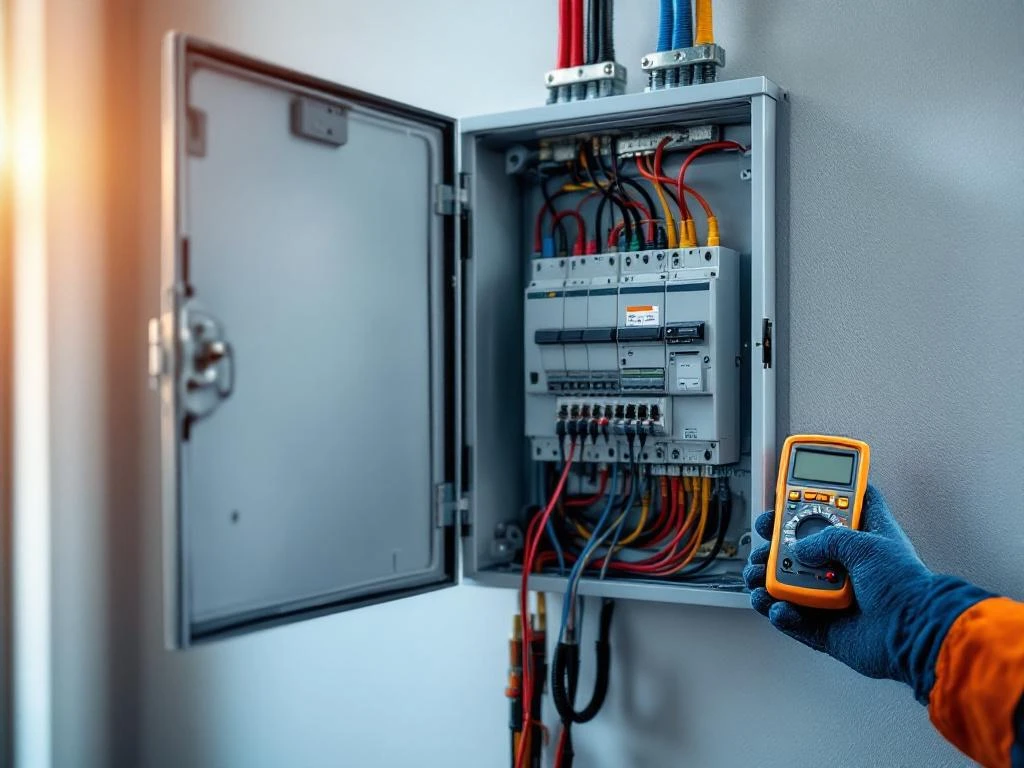
Professional electrical inspections go much further. Authorized electricians use measuring instruments to test insulation resistance, grounding connections, and short-circuit protection. They check that the installation complies with current regulations and issue documentation that shows the safety level of the installation.
You need a professional inspection when you plan major changes to your home, when you suspect a fault, or when recommended inspection intervals have been reached. The electrician also tests that fuses and circuit breakers are the correct size for the circuits they protect. Incorrect sizing can cause fuses to not trip in the event of an overload.
What signs indicate that you need urgent electrical check-up?
Certain warning signs require immediate action by a licensed electrician. Flickering lights, the smell of burning plastic, hot outlets or switches, frequent fuse trips, buzzing noises coming from walls or cabinets, and discolored outlets are all signs of dangerous electrical problems. These symptoms indicate overheating, loose connections, or faulty components that could cause a fire.
The smell of burning plastic or rubber comes from insulation melting due to overheating. This happens when connections are poor or when circuits are overloaded. If you notice such smells, you should turn off the power to the affected circuit and contact an electrician the same day.
Hot sockets or light switches are never normal. Components that get hot have poor contact or are handling more current than they are rated for. Continued use increases the risk of plastic parts melting and a fire starting inside the wall.
Når sikringer går ofte, forteller det deg at noe er galt. Enten trekker du for mye strøm på en krets, eller det finnes en feil som forårsaker kortslutning. Ikke bytt til sterkere sikringer for å «løse» problemet, dette fjerner en viktig sikkerhetsfunksjon.
In case of urgent danger signals, you must:
- Turn off the power to the affected area or the entire home if necessary.
- Do not use sockets or switches that smell burnt or are hot.
- Contact a licensed electrician immediately for an emergency visit.
- Do not attempt to repair electrical faults yourself.
- Keep flammable materials away from areas with electrical problems.
How can 24 Center help with electrical control and safety?
We quickly connect you with authorized electricians when you need help with home electrical safety, whether it's for an emergency or a scheduled electrical inspection. Our customer service is available 24/7, every day of the year, and you'll get immediate help when you call.
Our electricians handle everything from emergency electrical fault response to thorough safety inspections of entire facilities. They have the necessary equipment for professional testing and can document the condition of the facility for insurance and property records.
Benefits of using services from 24 Center:
- Electrician on site within one hour for urgent assignments
- Free telephone consultation to assess the urgency of the situation
- Nationwide network of authorized electricians
- Help with both acute electrical problems and preventative maintenance
- Experienced professionals who know local conditions and building types
- Quick response to all inquiries, regardless of time
Do you need urgent help with electrical problems or would you like to book a safety inspection of your electrical system? Call 401 24 700 for emergencies or visit 24 Center to schedule an inspection visit that suits your schedule. Please contact us for more information about our electrical services.
Vanlige spørsmål
How much does a professional electrical inspection of the home cost?
The price for a thorough electrical inspection typically ranges from 3000-8000 kroner, depending on the size of the home and the complexity of the installation. Older homes with larger installations require more time and testing, which affects the price. Many electricians offer fixed price packages for standard inspections, and you should always ask for a quote before starting work.
Could I have problems with insurance if I don't have documented electrical inspection?
Yes, many insurance companies require documentation of electrical inspections, especially for homes older than 30 years. In the event of fire or electrical damage, lack of documentation may result in reduced or denied compensation if the insurance company believes you have neglected your maintenance obligations. Always keep reports from electrical inspections with other important home documents.
How do I prepare my home before an electrical inspection?
Make sure the electrician has free access to the fuse box, all rooms, the basement and the attic. Clear away any objects blocking electrical outlets and switches, and keep a record of any electrical problems you have noticed. It is also helpful to have documentation available from previous inspections or electrical work that has been performed.
Do I have to upgrade the entire electrical system if the inspection reveals deficiencies?
Not necessarily. The electrician will categorize any discrepancies by severity – some need to be fixed immediately for safety reasons, while others can be planned over time. Critical safety issues such as missing ground fault circuit interrupters should be given high priority, while smaller discrepancies can be addressed gradually. The electrician will provide you with a prioritized list of recommendations.
Is it mandatory by law to have a ground fault circuit interrupter in all Norwegian homes?
Yes, since 1994, there has been a requirement for a ground fault circuit interrupter on all electrical outlet circuits in Norwegian homes. Older homes that have not been upgraded may lack this important safety feature. The ground fault circuit interrupter protects against electric shock and should be tested monthly by pressing the test button – if it does not trip, it must be replaced immediately.
Can I change sockets and light switches myself, or do I have to use an electrician?
You can replace faulty sockets and switches yourself if you follow the instructions carefully and turn off the power first, but the work must be checked and approved by a licensed electrician. Any electrical work that goes beyond simple component replacement must be carried out by a licensed electrician. When in doubt, it is always safer to let a professional handle the job.
What happens if I ignore warning signs of electrical problems?
Ignoring warning signs like hot electrical outlets, flickering lights, or a burning smell can have serious consequences. Electrical problems worsen over time, increasing the risk of fire, damage to expensive appliances, and dangerous electrical shocks. In the worst case, it can lead to a total fire with loss of home and life, as well as problems with insurance payouts if negligence is proven.