
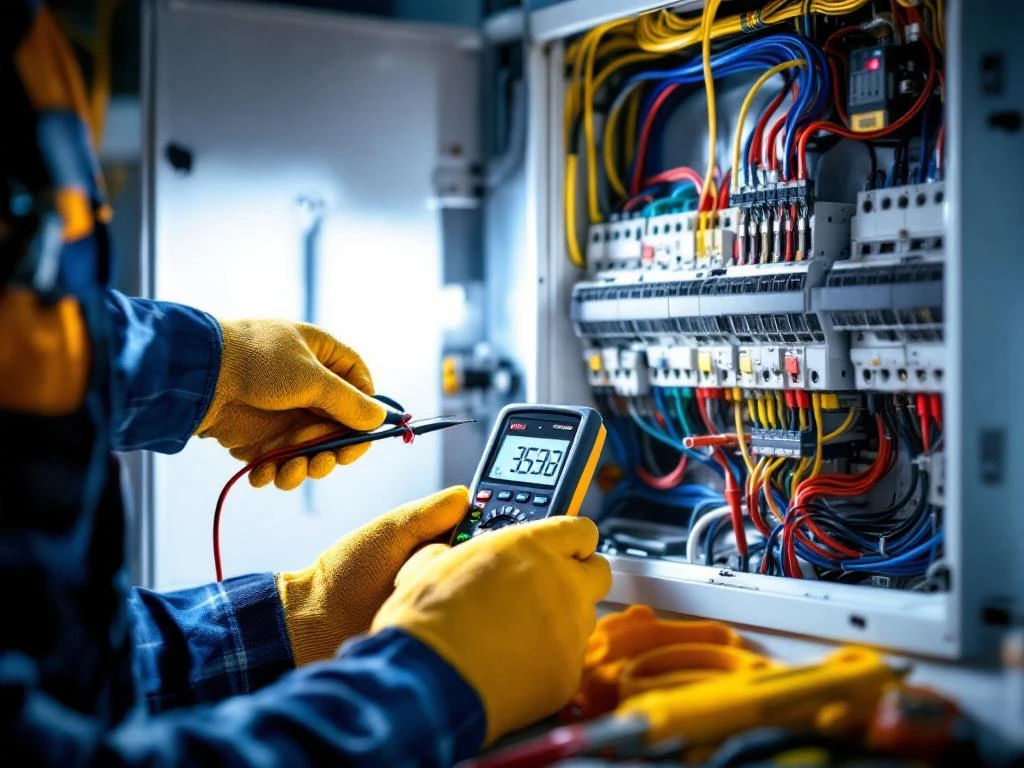
An electrical inspection involves a qualified electrician reviewing and testing the electrical system in your home to ensure that everything is working safely and according to current standards. The electrician checks important components such as fuse boxes, ground fault circuit interrupters, wiring, sockets and light switches. The inspection identifies potential faults and wear and tear before they become dangerous. Regular electrical inspections prevent fires and electrical accidents in your home.
What is an electrical inspection and why is it necessary?
An electrical inspection is a systematic review of your home's electrical installation performed by a licensed electrician. There are two types of inspections: periodic inspections , which are planned maintenance, and emergency inspections when you experience problems such as flickering lights or the smell of burning plastic.
Regular electrical inspections are important to prevent fires and electrical accidents. Electrical installations wear out over time, and components can become loose or overheat without you noticing. This can lead to short circuits, electric shocks or, in the worst case, fire.
Norwegian laws require electrical inspections when selling a home and after major renovations. Many insurance companies also require documented electrical inspections to maintain full coverage. Although not always required by law, inspections are recommended every ten years for newer homes and more frequently for older buildings.
By conducting regular electrical inspections, you ensure that your installation meets current safety requirements. You also gain an overview of any upgrade needs before minor problems develop into costly repairs.
What electrical components does an electrician check during an inspection?
During an electrical inspection, the electrician inspects all important parts of the electrical system. The fuse box is thoroughly checked to ensure that all fuses and circuit breakers are working properly. The electrician looks for signs of overheating, loose connections, and proper labeling of electrical circuits.
The RCD is tested to confirm that it trips within the legally required time in the event of a fault. This is a vital safety component that protects you from electric shock. The electrician presses the test button and measures the response time with special equipment.
Wires and cables are inspected for visible damage, wear, or improper installation. The electrician checks whether the wire thickness is sufficient for the current load and whether the insulation is intact. Older homes often have outdated wiring that should be upgraded.
Sockets and light switches are checked for loose connections and signs of heat. The electrician tests that the sockets provide the correct voltage and that the grounding is working properly. Loose or hot sockets are a common danger sign.
Electrical appliances and safety systems such as smoke detectors and alarm systems are also checked. The electrician checks for proper installation and that the equipment is connected in a safe way that does not overload the electrical circuits.
How does an electrical inspection take place step by step?
An electrical inspection starts with the electrician performing a visual inspection of all visible electrical components. This includes fuse boxes, sockets, light switches and exposed wiring. The electrician notes wear, damage or components that do not meet current standards.
The electrician then performs measurements using special equipment. The insulation resistance is tested to ensure that the wires are not leaking current. The ground connection is measured to confirm that it provides adequate protection. The electrician also checks the voltage drop and load on various electrical circuits.
Functional tests of safety equipment are an important part of the inspection. The earth leakage circuit breaker is tested several times to ensure that it trips correctly. Circuit breakers are checked for correct tripping characteristics. All findings are documented along the way.
After the inspection, you will receive a written report describing the condition of the electrical system. The report will list any faults or deficiencies with recommendations for remediation. If dangerous conditions are discovered, the electrician will inform you immediately and recommend necessary measures.
In case of serious faults, the electrician may disconnect parts of the system until repairs are made. You will also receive recommendations on when the next inspection should be carried out based on the age and condition of the home.
How often should you have electrical inspections in your home?
Recommended intervals for electrical inspections depend on the age of the home and the type of installation. Newer homes with modern systems should be inspected every ten years. Older homes with installations from before the 1990s need more frequent inspections, usually every five to seven years.
Mandatory inspections are required when selling a home, where the seller must document that the electrical system is safe. After major renovations or additions, an electrician must approve the work before it is put into use. Inspections are also required when replacing a fuse box or main switchboard.
There are several signs that indicate that you should schedule an inspection before the scheduled time. If you experience frequent fuses, notice hot sockets, see flickering lights or smell a burning smell, you should contact an electrician quickly. These symptoms could indicate dangerous faults.
Homes with high power consumption or many connected appliances may need more frequent checks. The same applies if you have installed electric vehicle charging stations or other power-intensive installations. Your electrician will make recommendations based on your specific usage pattern.
How we help you with electrical supervision
We quickly connect you with qualified electricians who perform thorough electrical inspections throughout Norway. Whether you need a scheduled periodic inspection or are experiencing acute electrical problems, our professionals are available 24/7.
Our service includes:
- Immediate response from customer service that answers 24/7
- Nationwide network of authorized electricians with local knowledge
- Rapid response to urgent tasks, often within one hour
- Thorough electrician check with detailed documentation and report
- Follow-up on any errors or deficiencies discovered
- Both emergency inspections and scheduled inspections on the same day or next business day
Our electricians have extensive experience with Norwegian homes and are familiar with the most common challenges in different types of buildings. They perform inspections according to current standards and give you specific recommendations to maintain electrical safety in your home.
Call 401 24 700 for emergencies or visit our website to book a scheduled electrical inspection. We ensure that you get professional help when you need it. You can also find all our contact information there.
Vanlige spørsmål
How much does an electrical inspection cost for a typical home?
The price for an electrical inspection usually varies between 3,000 and 8,000 kroner depending on the size, age and complexity of the electrical system of the home. Larger homes with more circuits and older installations take longer to inspect and therefore cost more. Request quotes from several electricians to compare, and remember that the price only covers the inspection itself – any repairs are additional.
Can I do any preparations myself before the electrician arrives?
Yes, you can make the inspection more effective by making sure the electrician has free access to the fuse box, all electrical outlets, and light switches. Clear away any furniture or objects that are blocking electrical components, and make a list of any problems you have noticed, such as flickering lights or frequently tripping fuses. Also, have documentation from previous electrical work available if you have it.
What happens if the electrician finds serious errors during the inspection?
In the event of serious faults that pose an immediate danger, the electrician will inform you on site and may disconnect the affected parts of the system until repairs are made. You will receive a written report with a detailed description of the faults and recommendations for necessary measures. The electrician will prioritize the faults according to severity, and you can usually get a quote for repairs on the same day so that the work can be carried out quickly.
Do I need electrical supervision if my home has been newly renovated?
Yes, even when renovating, supervision is necessary, especially if electrical work has been carried out as part of the renovation. After major electrical work, a licensed electrician must approve the installation and issue a completion certificate. This ensures that the work has been carried out in accordance with applicable standards and laws, and is also important for insurance coverage and any future sale of the home.
How long does a typical electrical inspection take?
A standard electrical inspection for a typical single-family home or apartment usually takes between 2 and 4 hours. The time depends on the size of the home, the number of rooms, the complexity of the electrical system, and whether any faults are found that require further investigation. Older homes with outdated installations may take longer to thoroughly inspect than newer homes with modern installations.
Do I have to stay at home during the entire inspection?
It is highly recommended that you or an adult representative be present during the entire inspection. The electrician will need access to all rooms and may have questions about the electrical history of your home or any problems you have experienced. You should also be available when the electrician reviews the report and explains any findings so that you understand the recommendations and can ask questions.
Does an electrical inspection affect my home insurance?
Yes, many insurance companies require documented electrical inspections to maintain full insurance coverage, especially for older homes. In the event of damage, the insurance company may refuse compensation if it turns out that lack of maintenance or known electrical faults were the cause. Regular inspections with documentation strengthen your position in case of any insurance claims and can in some cases result in lower insurance premiums.