
An emergency drain blockage occurs when water no longer flows freely through your pipes, and it can happen quickly and unexpectedly. You should immediately stop all water use, assess the severity of the situation, and protect valuable items from water damage. Many blockages can be cleared with simple methods like suction cups or hot water, but for backflows from multiple drains or recurring problems, you will need professional help.
What is an emergency drain blockage and why does it happen?
An acute drain blockage means that water is not flowing properly through the drain pipes. This can be a partial blockage where the water flows slowly, or a complete blockage where nothing flows through. The problem often occurs suddenly, although it usually has been building up over time.
The most common causes of clogged drains include foreign objects that have fallen into the drain, grease buildup from cooking, hair clumps from the shower and sink, and too much toilet paper. Grease is particularly problematic because it sticks to the pipe wall and gradually hardens, narrowing the pipe more and more.
It is important to act quickly when a drain is blocked because the water can overflow and cause water damage to floors, walls and furniture. Standing water can also create odors and provide a breeding ground for bacteria. The longer you wait, the harder it can be to fix the problem.
What should you do immediately when the drain stops?
When you discover an emergency drain blockage , the first thing to do is stop using water in that area of your home. Do not flush the toilet, run the water, or start the dishwasher until you have assessed the situation. This will prevent more water from accumulating and potentially overflowing.
Assess the severity of the situation. Is only one drain affected, or are you experiencing problems in multiple locations? Does the water in the toilet rise when you use the shower? This may indicate where in the system the problem is. Move valuables away from the area and lay down towels if there is a risk of water overflowing.
There are some things you absolutely should not do. Do not pour harsh chemicals down the drain before you have tried gentler methods. Avoid using a pressure washer on your own, as this can damage the pipes if done incorrectly. Do not attempt to dismantle pipes under the sink unless you know what you are doing and have a bucket ready to collect the water.
How can you try to solve a drain blockage yourself?
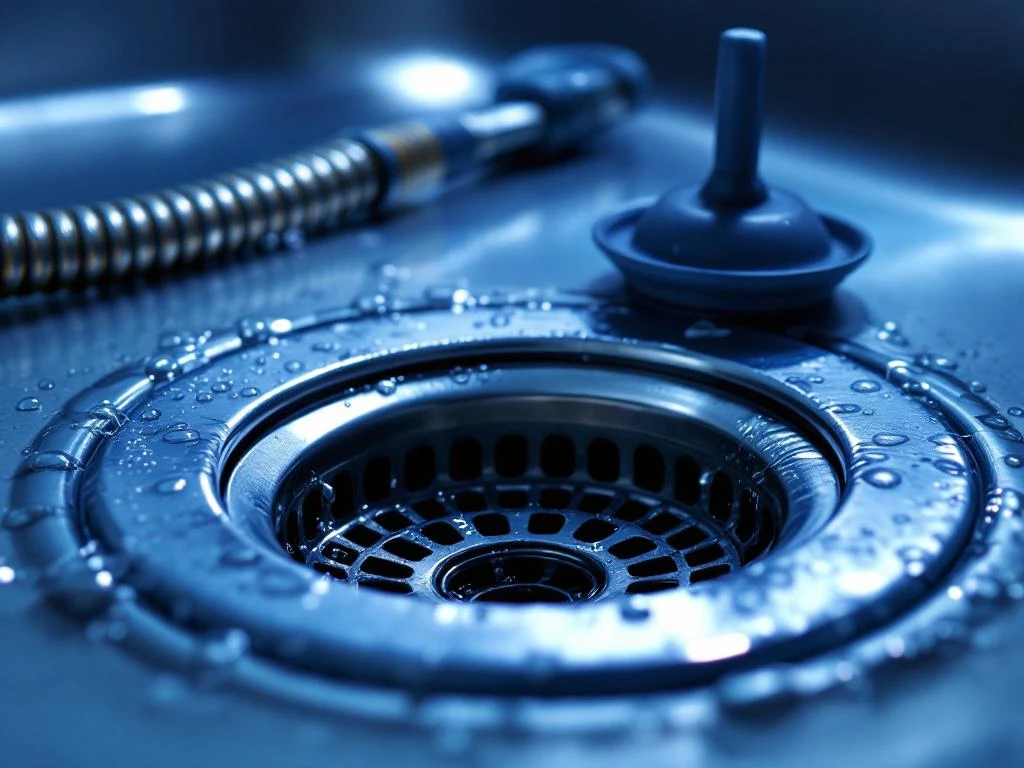
A suction cup is the first tool you should try for a clogged drain. Place the suction cup over the drain so that it covers it completely, and make sure there is enough water to cover the cup. Pump vigorously up and down for 15-20 seconds. Repeat several times if necessary. This creates pressure changes that often dislodge smaller clogs.
Hot water and dish soap can help with grease buildup. Pour a generous squirt of dish soap down the drain, wait a few minutes, then pour in hot water (not boiling, as this can damage plastic pipes). Leave it on for 15-20 minutes before flushing with more hot water. This method works best for smaller blockages.
If you see any visible blockages in the drain, you can try to remove them manually. Wear gloves and a flashlight to see better. Hair clumps in the shower drain can often be pulled up with a bent coat hanger or a special drain cleaner with hooks. Be careful not to push the blockage further down.
Avoid aggressive drain cleaners with harsh chemicals. These can damage pipes over time and are dangerous to handle. They also don't always work, and if you later have to call a plumber, the chemicals can be dangerous for them to work with. Baking soda and vinegar are a milder option, but are primarily effective on smaller blockages.
When should you contact a professional plumber?
You need urgent plumbing help if multiple drains in your home are affected at the same time. This indicates that the problem is in the main drain, not just a single pipe. If water comes up in the shower when you flush the toilet, or if multiple toilets and sinks are clogged, these are signs of a serious problem that requires professional help.
Water rising in the toilet or coming up through the drain is a clear sign of danger. This means that the drainage system is so blocked that the water is looking for other ways out. Foul-smelling water or the smell of sewage is also a sign that you need professional help quickly, as this could indicate a backflow from the main drain.
Repeated drain blockages in the same spot, even after you've tried to fix it, indicate an underlying problem. It could be damage to the pipes, improper drain slope, or something stuck further down the system. A plumber has equipment like cameras and coils that can find and permanently fix the problem.
The risks of waiting too long include water damage, mold growth, and higher repair costs. Water that sits in pipes can also freeze in the winter and cause cracks. If you suspect serious drain problems , it's always safer to call a professional than to risk more damage.
How can you prevent future drain blockages?
Prevention starts with awareness of what should never go down the drain. Fat and cooking oil should never be poured down the sink, as it solidifies in the pipes. Coffee grounds, food scraps, hair and cotton swabs should be thrown in the trash, not flushed down the drain. Toilet paper is the only thing that should be flushed down the toilet, not wet wipes or hygiene products.
Use strainers in all sinks and showers to catch hair and food particles before they reach the drain. Empty the strainers regularly, and clean the drains with hot water and dish soap every month. This keeps the pipes clean and prevents grease and soap from sticking to the pipe walls.
Regular maintenance helps you spot problems early. If the water starts to drain slowly, it's an early warning sign that something is about to clog. Strange sounds from the drain, such as gurgling or bubbling, can also indicate that a clog is starting to build up.
A simple routine like rinsing with hot water after each wash can make a big difference. For greasy cooking, pour a little extra dish soap and hot water down the sink afterwards. This will dissolve the grease before it can get stuck in the pipes.
How do we help with emergency drain blockages?
We have 24/7 customer service ready to help you when a drain blockage occurs, no matter the time of day. When you call us, you will receive immediate help to assess the situation, and we will quickly connect you with a qualified plumber in your area. The call is free, and many times customer service can give you advice that will solve the problem at home.
In urgent situations, we can often have a technician on site in less than an hour. We have a wide network of experienced installation partners throughout Norway, which means we can respond quickly no matter where you live. Our plumbers have the right equipment and expertise to solve both simple and complex drainage problems.
This is how it works when you contact us :
- You call us and describe the problem to customer service.
- We assess the severity of the situation and provide you with immediate advice.
- We connect you with a qualified plumber in your area
- The plumber arrives at the agreed time and solves the problem.
- You will receive a thorough review of what was the cause and how you can prevent it.
Call 401 24 700 for emergencies or visit our website for scheduled visits. We are here to help you with all types of drainage problems, from simple blockages to complex main drain blockages. Read more about all the services we offer to keep your drainage system in optimal condition.
Vanlige spørsmål
How long does it usually take to resolve a drain blockage?
Simpler drain blockages caused by hairballs or minor grease buildup can often be resolved in 30-60 minutes. More complex main drain blockages that require camera inspection and specialized equipment can take 2-4 hours. The plumber will give you an estimate after assessing the situation, and in most cases the problem is resolved the same day.
How much does it cost to fix an emergency drain blockage?
The price varies depending on the time, the complexity of the problem and the method needed. Simple blockages solved with a spiral usually cost between 1500-3000 NOK, while more extensive work with a camera examination can cost 3000-6000 NOK or more. Emergency assignments in the evening, night and weekend often have additional charges, but you will always receive a price quote before the work begins.
Can I use baking soda and vinegar to unclog a drain?
Baking soda and vinegar can help with very small clogs and are good for regular maintenance, but have limited effect on established clogs. Pour 1 cup of baking soda down the drain, followed by 1 cup of vinegar, let it bubble for 30 minutes, and flush with warm water. For more serious clogs, you'll need stronger methods like a suction cup or professional help.
Why does water come up in the shower when I flush the toilet?
This is a clear sign that the main drain is blocked, and the water is seeking alternative routes out of the system. When you flush the toilet, the water cannot pass the blocked area, so it is forced back up and comes up through the lowest point – often the shower drain. This requires immediate professional help, as the problem is deep in the drainage system.
Is it safe to use a drain spiral myself, or should I leave it to a professional?
Manual drain augers for smaller pipes can be used by homeowners with caution, but electric augers and main drain augers should only be used by professionals. Improper use can damage pipes, especially older or plastic pipes. If you choose to try it yourself, only use a simple hand auger on sinks and showers, and stop immediately if you encounter a lot of resistance.
How often should I have my drains professionally cleaned?
For typical homes, professional drain cleaning is recommended every 2-3 years as preventative maintenance, especially if you have older pipes or have experienced recurring problems. Households with a lot of cooking, multiple occupants, or older drain systems may benefit from annual service. A plumber can assess your specific system and make personalized recommendations based on condition and usage patterns.
Does insurance cover damage from drain blockages?
Homeowners insurance typically covers water damage caused by sudden and unforeseen events, including emergency drain blockages. Coverage typically does not apply if the blockage is due to lack of maintenance or gradual deterioration that you should have noticed. Take photos of the damage, document the sequence of events, and contact your insurance company quickly. The actual repair of the drain is rarely covered, but consequential damage to fixtures and buildings may be covered.