
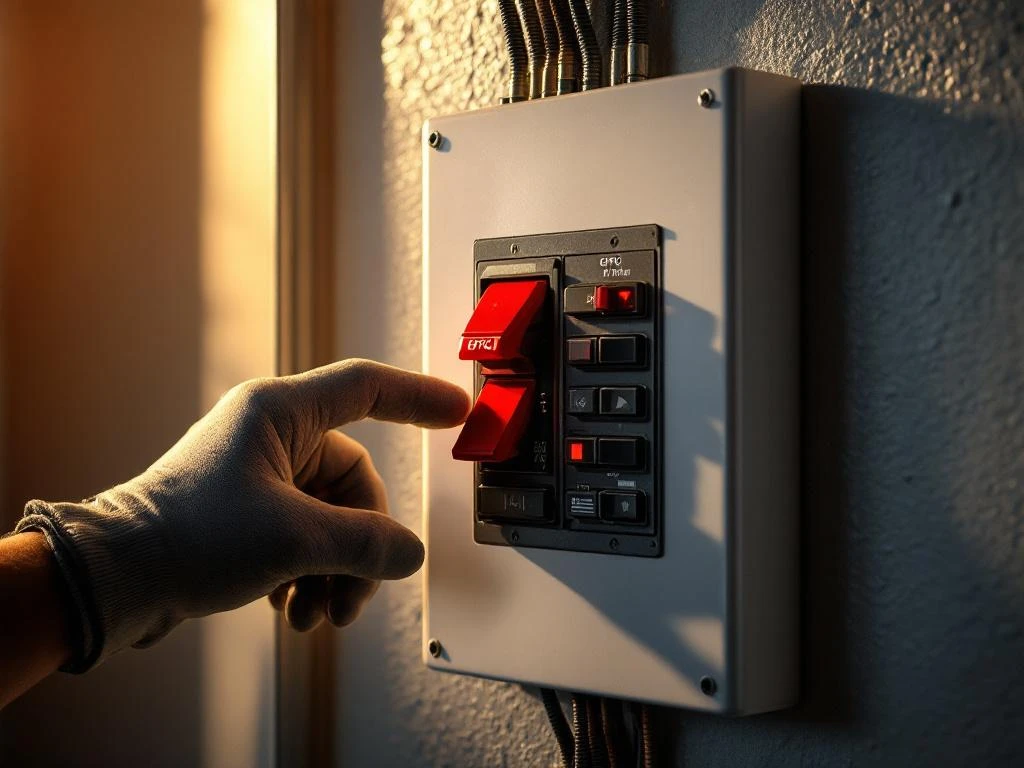
When your RCD trips and won't reset, you have an electrical fault that requires action. This happens because the breaker detects a persistent ground fault or leakage current that poses a safety risk. You can try some simple measures like unplugging all electrical appliances, but if the breaker still won't reset, contact an electrician immediately. The problem can range from a faulty breaker to a serious fault in your electrical system.
What is a ground fault circuit interrupter and why does it trip?
A ground fault circuit interrupter is a safety device that protects you from electric shock by detecting imbalances in the current between the phase conductor and the neutral conductor. When the interrupter detects that current is leaking out of the normal circuit, for example through a person or water, it interrupts the current in milliseconds. This can save lives in dangerous situations.
The RCD trips for several common reasons in the home. Moisture is a common trigger, especially in bathrooms and kitchens where water can come into contact with electrical appliances or electrical outlets. Faulty electrical appliances with worn insulation can also cause leakage current that trips the breaker.
Other common causes include:
- Damaged wire insulation in walls or under floors
- Congested circuits with too many appliances connected at the same time
- Old electrical installations with worn-out insulation
- Faults in electric heating elements or water heaters
- Damage to wiring caused by drilling or nailing into walls
When the RCD trips, it does its job by protecting you from potentially dangerous situations. It is important to determine the cause before resetting the breaker.
Why doesn't the ground fault circuit interrupter trip when you try to turn it on?
When the RCD fails to reset, it means that it is still detecting an active ground fault in the electrical system. The breaker is designed to remain in the tripped position as long as the fault exists, preventing dangerous current from flowing through the system. This is a critical safety feature that protects you from electric shock and fire hazards.
The most common cause is that an electrical appliance or circuit still has a ground fault . Even though you have unplugged the appliance that originally tripped the breaker, the fault may persist in the wiring. The problem may be in an outlet, in hidden wiring, or in a fixed piece of equipment that you cannot easily disconnect.
The RCD itself may also be defective. After many years of use, or after repeated trips, the internal mechanism may become worn or damaged. A circuit breaker that has been subjected to a short circuit or severe overload may lose its ability to reset even when the fault has cleared.
Serious faults in the electrical system also cause the circuit breaker not to reset:
- Damaged main line between the fuse box and consumption points
- Water leaks that have penetrated electrical boxes or conduits
- Short circuit between phase and ground in the hidden installation
- Defective components in the fuse box that continue to leak current
If the switch physically feels loose, does not click into place, or immediately trips again when you try to turn it on, this indicates a persistent and possibly serious electrical fault that requires professional assessment.
What can you do yourself before calling an electrician?
There are some simple and safe troubleshooting steps you can take before calling an electrician. Start by unplugging all electrical devices in your entire home by unplugging them from the electrical outlets. This includes appliances, electronics, chargers, and plug-in lights. Don’t just turn off the devices, but completely unplug them.
After everything is disconnected, try resetting the GFCI. If it now trips and stays on, you have identified the problem as being in one of the appliances. Plug them in one at a time, waiting a few minutes between each one to see which appliance trips the breaker. This appliance needs to be repaired or replaced.
Look for visible signs of moisture or damage:
- Check bathrooms and kitchens for water leaks near electrical outlets
- Check for water spills on the floor near electrical outlets.
- Look for black marks or a burning smell around electrical outlets
- Check if any wires are visibly damaged or exposed.
If the RCD still does not reset after everything has been disconnected, or if it trips again immediately, the fault lies in the fixed installation. Then you must stop further troubleshooting. Do not attempt to open the fuse box or manipulate electrical components. This is the time to contact a qualified electrician.
Please note that even if the breaker resets but trips again after a short time for no apparent reason, you still have an intermittent fault that should be investigated by professionals.
When should you contact an electrician immediately?
Some situations require immediate professional help without you having to attempt to troubleshoot on your own. If you smell burning plastic or a burning smell coming from the fuse box, electrical outlets, or walls, you likely have a serious overheating or short circuit. Turn off the main breaker if safe to do so, and contact an electrician immediately.
Visible sparks, flames or black scorch marks around electrical components are acute danger signals. This indicates an active electrical fault that could lead to a fire. Leave the area and call an electrician immediately, or the fire department if the situation escalates.
Other situations that require immediate electrician assistance:
- The ground fault circuit interrupter trips repeatedly without you finding the cause
- The switch is physically damaged, cracked, or feels hot
- There has been a water leak near electrical installations
- You hear buzzing or crackling noises from the fuse box
- Power outage only in parts of the home without fuses or switches appearing to be tripped
- Electric shock from appliances, electrical outlets, or metal objects
If the RCD has not tripped after you have disconnected all appliances and more than a few hours have passed, you should not wait any longer. A persistent ground fault in the concealed installation can represent a latent fire hazard even when the circuit breaker has tripped.
For urgent electrical problems in the evenings, on weekends or holidays, you need an electrician who can arrive quickly. Electrical faults often worsen over time and should not be postponed until the next business day if the situation seems serious.
How do we help you with ground fault circuit interrupter problems?
When you experience a fault with your RCD, we will immediately connect you with qualified electricians who can resolve the issue safely and efficiently. Our service operates 24/7, every day of the year, so you get professional help when you need it most.
How we help you with ground faults in your home:
- Immediate response: Customer service answers when you call, without waiting or automated systems
- Fast response: For urgent assignments, an electrician can be at your location in less than an hour.
- Nationwide network: We have authorized electricians all over Norway who know local conditions
- Free advice: Get tips over the phone that can help you with simple troubleshooting steps
- Professional diagnosis: Our electricians find the cause of the ground fault and carry out the necessary repairs
- Documented work: You get an overview of the work performed and any recommendations for further action.
We understand that electrical problems create insecurity and inconvenience. That's why we make sure that you quickly get in touch with the right professional who can solve the problem from start to finish. Our electricians have the equipment and expertise to handle everything from simple appliance faults to complex problems in the electrical system.
Call 401 24 700 for emergencies or visit 24center.no for scheduled visits. We help you with RCD problems and other electrical challenges when you need it.
Vanlige spørsmål
How long can I be without power before the electrician arrives?
It depends on the severity of the fault. In urgent situations involving a fire or safety threat, an electrician can be at your location within one hour. For less critical problems, you can temporarily use power from other unaffected circuits while you wait for a scheduled visit. Avoid using candles for extended periods of time, and make sure to have a flashlight available.
Can I just replace the RCD myself if it is defective?
No, you should not replace the RCD yourself. Work inside the fuse box is strictly regulated and must be carried out by a licensed electrician. Incorrect installation can cause the breaker to not operate when it should, putting you at risk. Furthermore, what appears to be a faulty breaker may actually be a symptom of a deeper fault in the system that needs to be professionally investigated.
How much does it cost to have an electrician fix a ground fault?
The cost varies considerably depending on the nature and extent of the fault. A simple replacement of a faulty appliance or socket can cost 1500-3000 NOK including an emergency call-out fee, while extensive faults in the hidden system can cost several thousand NOK. The electrician normally provides a price quote after diagnosing the problem, and for emergency visits at night or on weekends there is often a surcharge.
How can I prevent the RCD from tripping in the future?
Regular maintenance is the key to prevention. Test your RCD monthly by pressing the test button to make sure it is working. Replace old electrical appliances with frayed cords, avoid overloading electrical outlets, and keep electrical installations in damp rooms dry. Have an electrician perform a periodic inspection of your system every 5-10 years, especially in older homes.
Can I temporarily use an extension cord from my neighbor's outlet?
This is strongly discouraged for several reasons. Extension cords over long distances can overheat, and running wires through doors or windows creates a pinch hazard. In addition, you will put an unpredictable strain on your neighbor's electrical system. If you absolutely must have power urgently, it is safer to use a battery-powered power bank for critical needs such as a mobile phone until the electrician arrives.
What do I do if the ground fault circuit interrupter trips in the middle of the night?
Stay calm and use a flashlight to navigate safely. Do not attempt to fix the problem in the dark. If you smell burning or see signs of danger, call a 24-hour electrician immediately. For less serious situations, you can wait until morning, but leave the breaker in the tripped position. Do not attempt repeated resets at night, as this may exacerbate an existing fault.
Does insurance cover damage caused by ground faults?
It depends on the insurance terms and the cause of the fault. Fire or water damage caused by electrical faults is often covered by home and building insurance, but the actual repair of the electrical system is rarely covered. Damage caused by lack of maintenance or known faults that you have not rectified may result in a denial. Contact your insurance company quickly after the incident to clarify coverage.