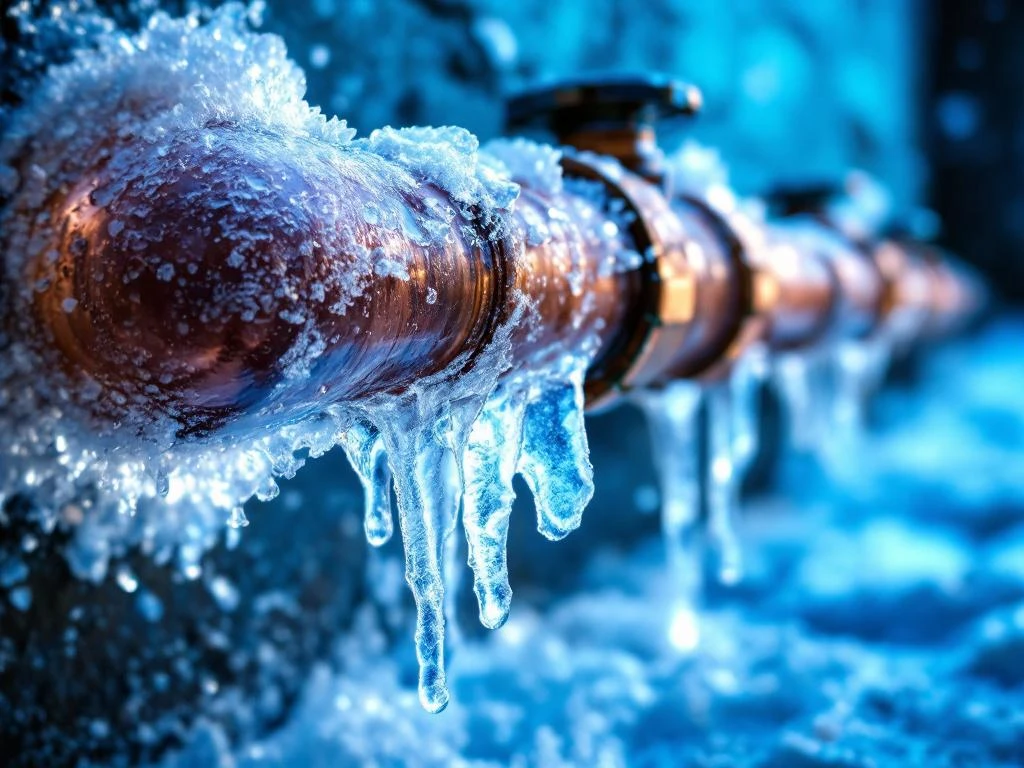
Frozen water pipes are a common winter problem in Norway that can lead to both water shortages and frost damage. When the temperature drops below freezing, the water in the pipes can freeze and expand, which in the worst case can cause the pipes to burst. You can often thaw smaller frozen areas yourself with simple tools, but if there is a risk of damage or inaccessible pipes, you should contact a plumber. Here you will find answers to the most common questions about frozen water pipes and how to handle the situation.
How do you know if the water pipes have frozen?
You notice that your water pipes are frozen when you turn on the faucet and there is no water coming out, or only a weak stream. Other signs include visible frost or rime on exposed pipes, especially in basements, crawl spaces, or on exterior walls. You may also hear unusual noises such as knocking or beeping when you try to drain water.
To determine which pipes are affected, check all cold water faucets in the house. If only one faucet is missing water, the problem is likely localized to the pipes to that faucet. If multiple faucets are affected, there may be a larger problem in the main water supply or in pipes that run through cold areas.
There is a difference between partially frozen and completely blocked pipes. With partial freezing, some water still flows through, but with reduced water pressure . Completely blocked pipes do not allow any water flow at all. Partially frozen pipes are easier to thaw, while completely blocked pipes require more effort and are more likely to burst when the ice melts.
What can you do yourself to thaw frozen water pipes?
You can thaw frozen pipes yourself using a hair dryer, heating pad, or warm towels. Always start at the faucet and work your way toward the frozen part. Turn on the faucet before you begin so that the melt water and steam can escape. Use the hair dryer on medium heat and move it evenly back and forth over the frozen area.
Warm towels are a safe method. Dip the towels in warm water, wring them out, and place them around the frozen pipe. Replace the towels when they get cold. You can also use an electric heating pad if the pipe is available. A fan heater placed near the frozen area can also help, but keep your distance to avoid overheating.
It is important to know what to avoid. Never use an open flame such as a blowtorch or lighter, as this can damage the pipes and create a fire hazard. Do not use boiling water directly on the pipes, as the sudden change in temperature can cause them to burst. Stop immediately if you see signs of leakage or if the pipe appears damaged. Our contact information allows you to get tips over the phone on how to best solve the problem at home, based on your specific situation.
Safety precautions when defrosting
Make sure that electrical appliances do not come into contact with water. Have a bucket or towels ready in case it starts to leak when the ice thaws. If you are unsure where the frozen pipe is located, or if you see no progress after 30 minutes, it is time to contact a professional.
When should you call a plumber for frozen pipes?
You should call a plumber immediately if you see signs of a burst pipe, such as water leaks, wet spots on walls or ceilings, or if you hear water running behind walls. Frozen pipes that are inaccessible, such as in walls, under floors, or in narrow crawl spaces, also require professional help as you cannot reach them safely yourself.
If you have tried to thaw the pipe for 30-45 minutes without success, it is wise to get help. Prolonged freezing increases the risk of the pipe bursting when the ice melts. If several pipes are frozen at the same time, or if the main line is affected, you will need a plumber who can assess the entire system.
We offer emergency plumbing assistance 24 hours a day, every day of the year. For urgent jobs, a technician can be on site within one hour. Our customer service responds immediately when you call, and the call is free. We quickly connect you with the right professionals in your area who can handle the problem professionally. This prevents small problems from developing into major water leaks and frost damage that can cost much more to repair.
How do you prevent water pipes from freezing in winter?
To prevent frozen water pipes, insulate all exposed pipes in cold areas such as basements, attics, garages and crawl spaces. Use foam pipe insulation or special heating cables that keep pipes above freezing. Make sure that the temperature in heated rooms is maintained at a minimum of 15 degrees, even when you are away.
In extreme cold, you can leave the taps dripping gently overnight. Running water freezes more slowly than stagnant water. Open cabinet doors under the kitchen sink and in the bathroom so that warm air reaches the pipes behind. Drain and turn off outside taps and hoses before winter arrives. Drain the water from outside taps to prevent it from freezing in the pipes.
Measures for holiday homes and during extended absences
If you are going to be away from home for a long time during the winter, drain the entire water system. Close the main tap, open all taps and let the water drain out. Also drain the hot water tank and toilet. Alternatively, you can keep the temperature at a minimum of 10 degrees and have someone check the house regularly.
Install heating cables around water pipes in particularly exposed areas. These are electric cables that are wrapped around the pipes and keep them warm. They are especially useful for pipes in exterior walls or in unheated rooms. Check the insulation in walls and ceilings where pipes run, as good building insulation also protects the pipes.
When planning new installations or renovations, ensure that pipes are laid in heated zones and avoid placement in exterior walls. This is a long-term investment that will save you from problems with frost damage pipes in the years to come.
Prevention is always better than repair when it comes to frozen water pipes. With proper insulation, good heating and simple measures during cold periods, you can avoid most problems. If the accident does occur, remember that quick action is important to minimize damage. 24Center offers emergency help in urgent cases, so you will receive immediate help from our experienced plumbers who know Norwegian winter conditions and can solve the problem quickly and safely. We provide services that cover all your plumbing needs.
Vanlige spørsmål
How long does it normally take to thaw a frozen water pipe?
The time it takes to thaw a frozen water pipe varies from 15 minutes to several hours, depending on the length of the frozen section and how cold the pipe is. For shorter frozen sections, you can often see results after 20-30 minutes of steady heat application. If you don't see progress after 45 minutes, it's best to contact a plumber to avoid the risk of cracks or major damage.
Can I continue to use hot water in other parts of the house while one pipe is frozen?
Yes, you can normally use hot water in other parts of your home if only one local pipe is frozen. However, avoid using the tap connected to the frozen pipe until the problem is resolved. If the main line or multiple pipes are affected, you should limit your water use in general until the pipe thaws, as increased pressure in the system can worsen the situation and increase the risk of frozen pipes bursting.
How much does it cost to have a plumber thaw frozen pipes?
The cost of having a plumber thaw frozen pipes varies depending on the time of day, availability, and the scope of the job. An emergency call during the evening or weekend will cost more than regular business hours, but is often necessary to prevent major damage. The price usually includes the call, diagnosis, and thawing, and may increase if leaks or cracks are found that need to be repaired. Contact our customer service for a price estimate based on your situation.
Is it dangerous to be in the house while the water pipes are frozen?
It is normally safe to be in your home while your water pipes are frozen, but you should be aware of the risk of pipes bursting when they thaw. If pipes burst, it can cause water leaks that can damage floors, walls and electrical installations. Watch for signs of leaks such as wet spots or unusual noises, and know where the main water tap is so you can quickly turn off the water if necessary. If you suspect serious damage, contact a plumber immediately.
Which pipes in the house are most susceptible to freezing?
Pipes most susceptible to freezing are those located in unheated or poorly insulated areas such as crawl spaces, attics, garages, and along exterior walls. Exterior faucets and pipes on north-facing walls are especially vulnerable. Pipes with little or no water flow, such as supply pipes to infrequently used faucets, also freeze more easily than pipes with regular water flow. Prioritize insulating these areas to prevent problems.
Can frozen water pipes damage the water quality itself when they thaw?
No, the freezing and thawing process itself does not affect water quality. The water remains the same after it has been frozen. However, if a pipe bursts during freezing, dirt, soil or other contaminants can enter the water supply through the crack, which can affect water quality. If contamination is suspected after a pipe burst, let the water run for a few minutes before use and contact your water utility or a plumber if you are concerned.
How do I find out where in the wall or floor the frozen pipe is located?
To find frozen pipes in walls or floors, feel for cold areas on the wall with your hand, especially near exterior walls or unheated rooms. You can also use an infrared thermometer to identify colder zones. Check which faucets are not working and follow the likely path of the pipes from those faucets toward the cold areas. If you can't find the pipe yourself, a plumber can use professional equipment like thermal imaging cameras to pinpoint the frozen area without opening up walls unnecessarily.