A check valve is a valve that allows water to flow in only one direction and prevents backflow. It protects your home from contaminated water and sewer flooding, especially in basements and low-lying rooms. A properly installed check valve ensures that wastewater from municipal pipes does not flow back into your home during heavy rainfall or sewer system overload.
What is a check valve and how does it work?
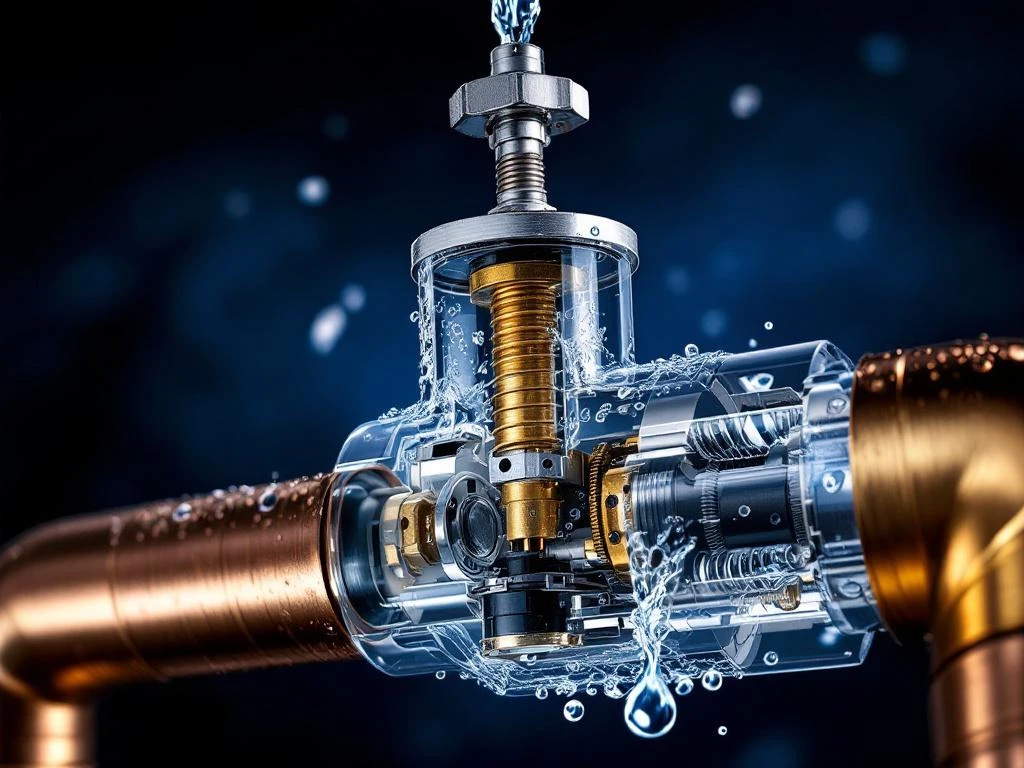
A check valve is a mechanical valve that opens when fluid is flowing in the correct direction, and automatically closes when the flow stops or tries to reverse. This ensures that water can only move one way through the pipeline, effectively stopping the backflow of contaminated water or sewage.
The function is simple but important. When you flush the toilet or flush the drain, the valve opens and allows the water to pass freely to the sewage system. When the pressure from the municipal sewage network increases, for example during heavy rainfall, the valve immediately closes and prevents water from flowing back into your home.
There are several types of check valves used in Norwegian homes. Spring-loaded valves use a spring that keeps the valve closed until water pressure from inside pushes it open. Ball valves have a ball that rolls to block or open the flow. Swing valves have a plate that swings up when water is flowing the right way, and drops down when the flow stops.
Check valves are relevant to both water supply and sewage systems. In water supply, they protect against cross-contamination, while in sewage systems, they prevent sewage from flowing back into your home.
Why do you need a check valve in your home?
You need a backflow valve to protect your home from the backflow of contaminated water and sewage. Without this protection, you risk wastewater from the municipal system flowing back into your home, which can lead to serious health and financial consequences.
The main reason is to protect against backflow of contaminated water into clean drinking water. This can happen when the pressure in the water pipes changes suddenly, and without a check valve, bacteria and contaminants can enter the water you use for cooking and drinking.
Check valves also prevent sewer overflows when the sewer system becomes blocked or overloaded. When the municipal sewer system becomes overloaded, water seeks the easiest way out, and it can back up through your drain pipes. This most often happens in basements and low-lying rooms, where the drain is below the level of the main pipe.
The risk is highest during heavy rainfall, when the municipal sewage system is unable to handle the volume of water. Other situations include overloading of the sewage network in your area and sudden changes in pressure in water pipes. Without a check valve, you could wake up to a basement full of sewage water.
The economic consequences can be significant. Water damage from sewage requires extensive cleanup, disinfection and often replacement of floors, walls and fixtures. In terms of health, contact with sewage water can lead to illness and infections.
Where should the check valve be installed in the home?
The check valve should be installed in the main drain line from the home to the municipal sewer system. This is the most important location, especially for basement homes, because it protects the entire building from backflow from the municipal system.
For homes with basements or below-grade plumbing, it is important to install check valves at each point of use. This includes toilets, floor drains, washing machines, and other drain points that are lower than the main drain line. These points are most vulnerable to backflow because they are below the pressure level of the municipal system.
In water supply systems where there is a risk of cross-contamination, non-return valves should be installed on supply pipes. This is especially true if you have equipment that could cause contaminated water to flow back into the drinking water system.
Norwegian building regulations require a check valve in specific situations. If your home has drain points below ground level or below the level of the municipal sewer line, a check valve is required. This also applies to new construction and major renovations where the drainage system is changed.
There is a difference between protecting individual fixtures and the entire building drainage system. Individual valves at each fixture provide point protection, while a master valve in the main drain line protects the entire system. We often recommend a combination of both for maximum safety.
How much does it cost to install a check valve?
The cost of installing a check valve in Norway typically ranges between 8,000 and 25,000 kroner, depending on the type of valve, installation location, and the extent of plumbing work required. This includes both the valve itself and professional installation by a licensed plumber.
Several factors affect the price. The type of valve plays a role, with simple mechanical valves being less expensive than sophisticated models with alarm systems or electrical components. The installation location is also important – a valve that is easily accessible costs less to install than one that requires extensive digging or working in tight spaces.
The extent of the plumbing work significantly affects the price. If the existing piping configuration makes the installation complicated, or if adjustments to the drainage system are required, the cost increases. Digging to reach the main sewer line can also add additional expenses.
There is a difference between new construction installation and retrofitting in an existing home. In new construction, it is easier and less expensive to install a check valve because the work is done while the pipes are being laid anyway. Retrofitting often requires more work and can cost more.
It is important to use a licensed plumber to ensure proper installation and compliance with building codes. Incorrect installation can render the valve inoperable and may result in insurance not covering any water damage. We have a network of qualified plumbers who can perform the installation professionally.
Long-term value must be weighed against the potential cost of water damage. A sewer overflow in the basement can cost hundreds of thousands in cleanup and repairs, making the check valve a good investment.
How do you know if your check valve is working properly?
You can tell that the check valve is working properly if there are no signs of water backing up into drains or toilets, no gurgling sounds from the drain, and no unexplained water leaks in the basement. A properly functioning check valve works silently and invisibly to protect your home.
Common indicators of failure include backflow of water into floor drains or toilets, especially during heavy rainfall. Gurgling sounds from the drain may indicate that the valve is not closing properly. Unexplained water leaks in the basement, especially with an unpleasant odor, may be a sign that sewage is leaking past a faulty valve.
Recommended maintenance frequency is inspection at least once a year. Check valves have moving parts that can become clogged with debris, grease or other particles from the wastewater. Regular inspection ensures that the valve can open and close freely.
As a homeowner, you can check for visible signs of leakage around the valve, and you can listen for unusual sounds coming from the drainage system. You can also test by filling a bucket with water and seeing if it drains normally. However, for a thorough inspection and testing, you will need professional help from a plumber who can disassemble and check the valve's internal components.
Regular testing is especially important before periods of heavy rainfall. Fall and spring are good times to inspect, as these seasons often bring heavy rain that puts a strain on the drainage system.
Check valves must be replaced when they become defective or no longer function properly. The expected life is usually 10-15 years, but this depends on water quality, frequency of use and maintenance. If the valve has been exposed to sewer flooding or severe blockage, it may need replacement sooner.
Are you experiencing problems with your drainage system or unsure if your check valve is working? Call 401 24 700 for emergencies or visit our website for scheduled visits. Our licensed plumbers are available 24/7 to assist you with inspection, maintenance and installation of check valves. For more information about the services we offer, or to get in touch with us, see our contact information .
Vanlige spørsmål
Can I install a check valve myself, or do I need to use a plumber?
You must use a licensed plumber to install a check valve. This is a requirement under Norwegian building regulations, and only licensed plumbers have the expertise to ensure a correct installation that meets all technical requirements. Incorrect installation may result in your insurance not covering any water damage, and the valve will not function properly.
Does homeowners insurance cover damages if I don't have a check valve?
Many insurance companies require you to have a check valve installed if your home has below-ground drains, and may deny a claim for sewer flooding if the valve is missing. It is important to check your insurance terms and conditions and document that you have installed a check valve where required. Contact your insurance company to clarify the requirements that apply to your home.
What should I do if the check valve triggers an alarm or leaks?
In the event of an alarm or leak from the check valve, contact a plumber immediately for emergency service. The alarm may indicate that the valve is blocked, defective, or that there is a serious pressure problem in the drainage system. Avoid using the basement drain until the problem has been investigated and resolved, as this may worsen the situation.
Do I need a check valve if I live on the second or third floor?
No, a check valve is not usually required for apartments on the second or third floor, as these are well above the level of the municipal sewer system. The risk of backflow primarily applies to basements and low-lying rooms that are below or at the same level as the main sewer line. If you are unsure, a plumber can assess your specific situation.
How do I clean the check valve and how often does it need to be done?
The check valve should be inspected and cleaned by a licensed plumber at least once a year. The plumber will disassemble the valve, remove any accumulated debris, grease, and particles, and check that all moving parts are operating freely. If you have experienced a blockage or use the drain heavily, more frequent cleaning may be necessary to ensure optimal function.
Can the check valve cause slower drainage or clogging?
A properly installed and maintained check valve should not cause a slower drain. If you experience reduced water flow or clogging after installation, the valve may be incorrectly sized, improperly installed, or partially blocked by debris. Contact the plumber who performed the installation to have the problem investigated and resolved.
Are there alternative solutions to a check valve to protect my basement?
A check valve is the most effective and required solution to prevent sewer overflow in basements with drain points below ground level. Other measures such as pumping systems or raising drain points can supplement, but not replace, the check valve. The combination of a check valve and good drainage around the building provides the best protection against water damage.