A shutoff valve is a valve that allows you to shut off the water supply to your home in the event of a leak, burst pipe, or other emergency. Knowing where the shutoff valve is located can save you from major water damage and costly repairs. This article explains what a shutoff valve is, where to find it, and when you should use it.
What is a stopcock and why is it important?
A shutoff valve is a valve that controls the flow of water into your home. It allows you to quickly shut off the water supply in emergency situations such as a water leak or burst pipe. Knowing the location of the shutoff valve is important because it allows you to act quickly and prevent small problems from escalating into major water damage.
When a pipe bursts or a water leak occurs, every second counts. The water flowing uncontrolled can destroy floors, walls, furniture and electrical installations in a short time. By closing the stopcock immediately, you significantly limit the extent of the damage and reduce repair costs.
The shut-off valve serves as a safety feature in your water installations. It gives you control over the water supply when you need to perform maintenance, replace plumbing fixtures, or leave the home for extended periods. Many homeowners only discover how important the shut-off valve is when an emergency occurs, and then it is too late to look for it.
Where do you find the stopcock in your home?
The stopcock is usually located where the water line enters the home. In single-family homes, it is often found in the basement, utility room, or storage room, often near the water meter. In apartments, it is typically located under the kitchen sink, in the bathroom, or in a closet by the front door.
The most common locations include:
- Next to or directly behind the water meter
- In the basement by the main water line
- Under the kitchen sink in a cabinet
- In a technical room or storage room
- At the entrance to the apartment in a built-in closet
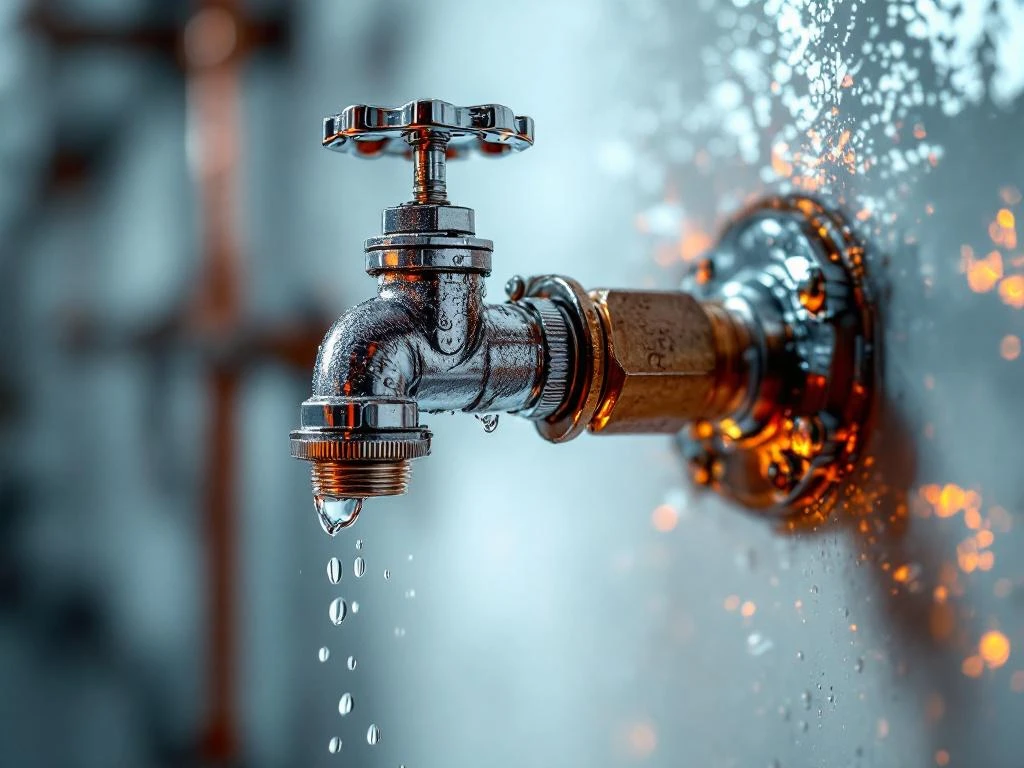
If you are unsure where the stopcock is located, you can follow the water lines from the water meter. The stopcock usually looks like a wheel or lever that can be turned. In newer homes, it is often marked with a red or blue color. Take the time to find the stopcock before an emergency occurs, and inform everyone in the household of its location.
In some older buildings, it can be difficult to locate the stopcock. If you can't find it, our services can help you identify the correct location and ensure it is working properly.
What is the difference between the main stopcock and local stopcocks?
The main shut-off valve shuts off all water supply to the entire home, while local shut-off valves only control the water to individual fixtures such as the sink, toilet or washing machine. The main shut-off valve is used in the event of major leaks or when you are carrying out extensive plumbing work. Local shut-off valves are practical when you only need to replace a tap or repair a simple plumbing system.
Local stopcocks are typically found:
- Under the sink for cold and hot water supply
- Behind the toilet for the water supply to the cistern tap
- At the washing machine to turn off the water when not in use
- By the dishwasher for easy maintenance access
The advantage of local shutoff valves is that you can carry out minor repairs without turning off the water to the entire home. This means that the rest of the household can still use water in other rooms while you work. For larger problems or if the local valves are not working, you must use the main shutoff valve.
It's a good idea to check that both the main stopcock and the local taps are working by opening and closing them once a year. This will prevent them from getting stuck when you really need them.
How did you turn off the water with the stopcock?
To shut off the water, turn the stopcock clockwise until it stops. Then open a water tap in your home to check that the water has stopped. If the tap is difficult to turn, never use force as this could damage the valve. In the case of stuck or defective stopcocks, you should contact a plumber.
How to turn off the water step by step:
- Find the stopcock and make sure you have good access to it
- Turn the tap slowly clockwise (to the right) until it stops.
- Open a water tap inside the home to check that the water is turned off.
- Let the water drain from the pipes to reduce the pressure
- Once the repair is complete, slowly open the stopcock counterclockwise.
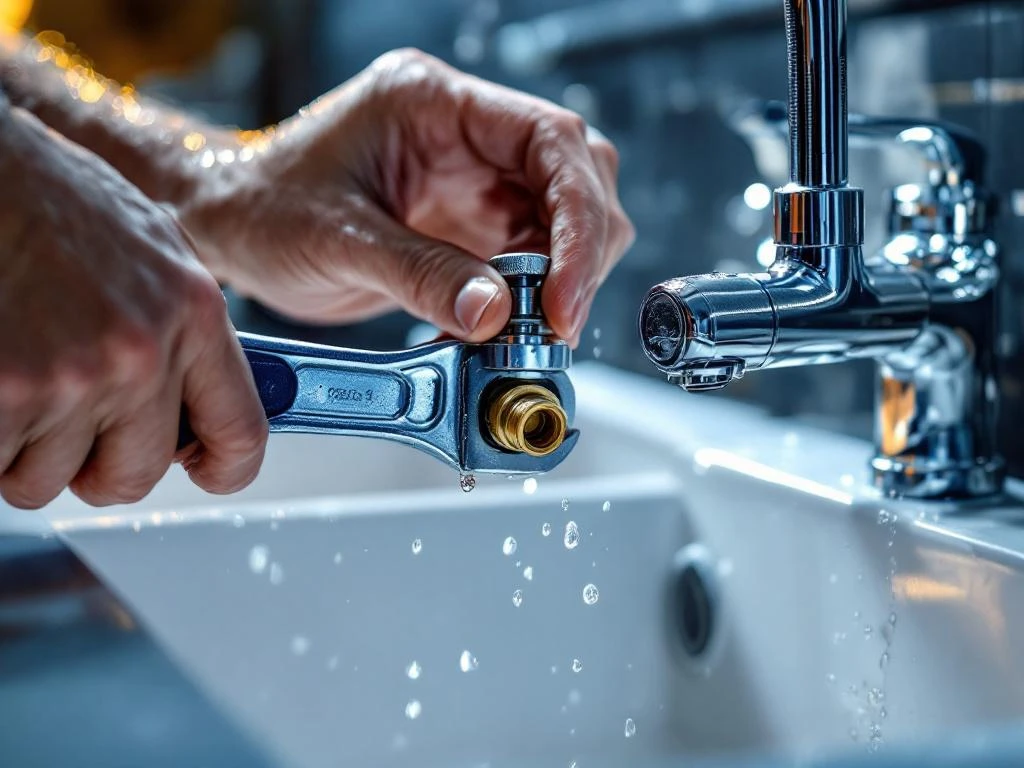
If the stopcock has not been used for a long time, it may be stuck. In such cases, do not use excessive force, as this may cause the valve to crack and cause a larger water leak. Instead, use a wrench carefully, or contact us for professional help.
Some stopcocks have a lever instead of a wheel. These are closed by turning the lever 90 degrees so that it is across the pipe. When the lever is parallel to the pipe, the water is open.
When should you turn off the water with the stopcock?
You should turn off the water when there is a water leak, before doing plumbing work, when you are away for extended periods, when there is a risk of frost heave, or when you are replacing plumbing fixtures. Turning off the water as a precaution when you are away from home for several days significantly reduces the risk of uncontrolled water damage.
Common situations where you should close the stopcock:
- In case of visible water leaks from pipes or fittings
- Before making repairs to water pipes or replacing faucets
- When you are going on vacation or away from home for more than a few days
- If there is a risk of frost in unheated rooms or if there is prolonged cold
- When installing new appliances such as a washing machine or dishwasher
- If you suspect a leak and you cannot find the source
Many water damages occur when people are away from home. A small leak that starts while you are at work or on vacation can cause huge damage before it is discovered. By turning off the main shut-off valve when you are away, you almost completely eliminate this risk.
During cold periods, it is especially important to be aware of the risk of frost bursting. If you have pipes in unheated rooms such as basements or storage rooms, you should consider turning off the water and draining the pipes if the temperature drops significantly. This also applies to cabins and holiday homes that are not used in the winter.
If you experience an emergency water leak or need help with plumbing, you can contact us at any time. Call 401 24 700 for emergencies or visit 24center.no for scheduled visits.
Vanlige spørsmål
How often should I test if the stopcock is working?
It is recommended to test your stopcock at least once a year, preferably in the spring. Slowly turn it all the way to the stopcock to shut off the water, then open it again. This will prevent the valve from rusting and ensure that it will work when you really need it. If the faucet is stiff or difficult to turn, you should contact a plumber for maintenance before it becomes completely stuck.
What do I do if the stopcock leaks when I try to close it?
If your stopcock leaks when you use it, it is often a sign that the gaskets or valve are worn. Do not use more force to tighten it, as this can worsen the leak. Turn off the water as best you can and immediately contact a plumber to have the valve replaced or repaired. A leaking stopcock is a serious problem that should be dealt with quickly.
Can I replace a defective stopcock myself?
Replacing the main shut-off valve is a job that requires professional knowledge and must be carried out by a licensed plumber. The work involves shutting off the water from the municipal main, and it is strictly regulated by building regulations. Local shut-off valves under the sink or at the fixtures can be replaced yourself if you have basic plumbing skills, but the main shut-off valve should always be handled by a professional.
How do I drain the pipes after I have closed the stopcock?
After you have closed the stopcock, open all the water taps in the house, both hot and cold water, starting from the top floor down. Also flush the toilets and let the water run until it stops. This removes residual water from the pipes and reduces the pressure in the system. This is especially important before frost periods or longer periods of absence to prevent frost bursting.
Are there different types of stopcocks, and which one is best?
The most common types are ball valves (with a lever) and screw valves (with a wheel). Ball valves are modern, faster to operate, and have a lower risk of sticking over time. Screw valves are older but still common in many homes. For new installations, ball valves are recommended due to their reliability and ease of operation. Both types work well when properly maintained.
Do I have to close the stopcock every time I leave?
It is highly recommended to turn off the main water shut-off valve if you are going to be away for more than 3-4 days. Many insurance companies require this to cover water damage during longer absences. For short weekend trips it is not strictly necessary, but it provides extra security. Also remember to inform neighbors or someone who can check the home if you are away for longer periods.
What do I do if I can't find the stopcock in my apartment?
Contact your landlord, caretaker or housing association for help locating the stopcock. In some older buildings, it may be located in common areas such as the basement or utility room. Take photos and note the location when you find it, and inform everyone in the household. If the stopcock is inaccessible or difficult to reach, you can request that a more accessible valve be installed.