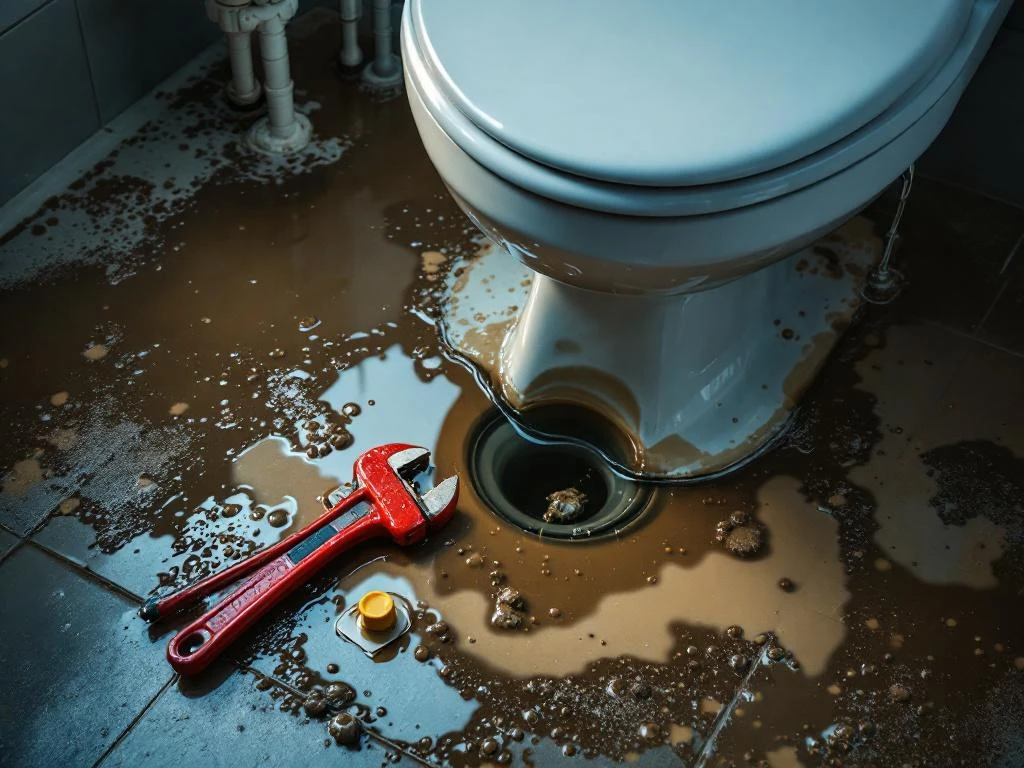
A sewer overflow requires quick action to limit damage and health risks. The emergency procedure involves stopping water sources, securing the area, protecting valuables and assessing whether the situation requires professional help. In the event of an emergency flood, it is important to act quickly, but also safely, since sewage contains bacteria and contaminants. Here you will find answers to the most common questions about what to do when the sewer overflows.
What should you do first when the drain overflows?
The most important thing is to stop the water source immediately. Turn off all running faucets and avoid using water in the house until the problem is resolved. Move valuables and furniture away from the flooded area, and keep children and pets away from the wastewater. Turn off power to affected areas if there is a risk of water reaching electrical outlets or appliances.
Once the immediate danger has been dealt with, you can assess the severity. A small flood from a blocked drain may be easier to deal with than a major sewage overflow from the main. Document the damage with photos if you have insurance that can cover the cost. Open windows for ventilation if possible, but be careful not to walk in sewage without protective gear.
It is also important to identify the source of the flooding. Is the water coming from a specific drain, toilet, or from several places at once? This will give you information about the severity of the problem and whether it requires urgent professional help. In the case of major flooding or if the sewage is coming up in several places, you should contact a plumber quickly.
How do you stop the water in the event of an emergency sewer flood?
To stop the water, first locate the main water valve and turn it off completely. This valve is usually located in the basement, under the kitchen sink, or at the water main entrance to your home. Turn the valve clockwise until it is completely closed. This will stop the flow of fresh water, but will not stop any wastewater already in the system from draining.
Turn off all faucets in the house and do not flush the toilet. If the flooding is coming from a specific faucet or sink, it may be enough to turn off the stopcock locally under the sink or behind the toilet. Identify where the water is coming from. If it is coming up through a floor drain, there may be a blocked drain in the main line that requires professional cleaning.
Temporary measures may help while you wait for help. Place towels, cloths, or sandbags around the area to limit the spread of water. Use a mop or wet vacuum to remove surface water if safe to do so. Avoid using regular vacuums, as they are not designed for liquids and may be damaged or cause an electrical hazard.
If the flooding continues despite you having turned off the main tap, this indicates a problem in the drainage system or the main pipe outside the house. This is a situation that requires urgent assistance from a professional, as you cannot solve the problem yourself without special equipment.
What health risks are associated with sewage flooding?
Wastewater contains bacteria, viruses and other pathogens that can cause serious health problems. Common bacteria include E. coli, salmonella and other intestinal bacteria that can cause gastrointestinal infections. Direct contact with wastewater can lead to skin infections, eye infections and respiratory diseases if the water vapor is inhaled.
Moisture from flooding creates ideal conditions for mold and mildew, which can grow on walls, floors, and furniture within 24-48 hours. Mold releases spores into the air that can cause allergic reactions, asthma, and other respiratory problems. People with weakened immune systems, children, and the elderly are particularly at risk from exposure to wastewater.
If you must handle wastewater, always wear protective equipment. This includes rubber gloves, rubber boots, a face mask, and preferably safety glasses. Wash your hands thoroughly with soap and hot water after contact, even if you were wearing gloves. Clothes that have been in contact with wastewater should be washed separately at the highest temperature.
Professional cleaning and disinfection are necessary after major sewage spills. Surfaces must be disinfected with approved agents, and porous materials such as carpets, rugs, and some furniture often need to be discarded if they have been soaked in sewage. Regular cleaning does not remove all bacteria and pathogens that may be present.
When should you contact a professional plumber for drainage problems?
You should contact a plumber immediately if the drain overflow is extensive , occurs in multiple locations at once, or if the water continues to rise even after you have turned off the main water valve. This indicates a serious problem in the main drain or in the pipes outside the house that requires specialized equipment and expertise to resolve.
Recurring drain problems are a clear sign that there is an underlying problem in your system. If you frequently experience sluggish drains, bubbling sounds from the drain, or water rising in the toilet when you use water elsewhere, you should have your system inspected by a professional. These signs could indicate partial blockages, roots in the pipes, or structural problems.
Some situations you can handle yourself, like a simple clogged drain in a sink. A plunger or simple drain cleaner can solve such problems. However, if you have tried these methods without success, or if the problem concerns the main drain, the toilet, or multiple drains at once, you need professional help.
For emergencies outside of normal business hours, such as flooding at night or on weekends, it is important to have access to an on-call service that can dispatch a plumber quickly. Drain problems often worsen if not dealt with quickly, and water damage can become extensive in a short time.
How 24 Center helps in case of emergency sewage flooding
We offer 24/7 emergency response for sewer overflows and other urgent sewer problems. When you call our emergency number, you will receive immediate assistance from customer service who will assess the situation and connect you with a qualified plumber in your area. Our nationwide network of professionals means we can respond quickly, no matter where in Norway you are.
Our emergency sewer flooding services include:
- Fast response: For urgent jobs, a plumber can be on site within one hour
- 24/7 service: We are available 24/7, including weekends and holidays
- Complete solution: From emergency stopping of flooding to full repair and follow-up
- Experienced professionals: All our partners are approved plumbers with the right equipment
- Free advice: Customer service can often provide tips over the phone that help you take immediate action
We handle everything from simple blocked drains to extensive flooding requiring specialist equipment such as pressure washing and camera inspection of pipes. Our aim is to resolve the problem quickly and prevent the damage from spreading. Call 401 24 700 for emergencies or visit the 24 Center for scheduled visits.
Vanlige spørsmål
Can I use regular bleach to disinfect after a sewer flood?
Yes, bleach can be used to disinfect hard surfaces such as tile, concrete and porcelain. Mix one part bleach with ten parts water and let the solution sit for at least 10 minutes before wiping. Remember that bleach should not be used on all materials, and always ensure good ventilation when working. For porous materials such as wood and plaster, professional treatment or replacement is often necessary.
How long does it take for mold to start growing after a flood?
Mold can begin to grow within 24-48 hours of materials becoming damp. This makes quick cleanup and drying critically important. Use fans, dehumidifiers, and good ventilation to dry out the area as quickly as possible. If materials are still damp after 48 hours, the risk of mold growth increases significantly and professional remediation may be necessary.
Does homeowners insurance cover damage from sewer flooding?
This varies depending on the insurance company and the type of policy you have. Many homeowners insurance policies cover sudden and unexpected sewer overflows, but not damage caused by poor maintenance or gradual deterioration. Contact your insurance company as soon as possible, document all damage with photos, and keep receipts for expenses. Some policies require you to use approved professionals for the damage to be covered.
What is the difference between gray and black wastewater, and why is it important?
Grey wastewater comes from sinks, showers and laundry and contains soap and minor contaminants. Black wastewater comes from toilets and contains fecal matter, bacteria and pathogens that make it highly hazardous. Black water always requires professional handling and thorough disinfection, while smaller amounts of grey water can be handled by the homeowner with the proper protective equipment. Both types require prompt cleanup to prevent health hazards.
How can I prevent future sewage floods?
Regular maintenance is key to preventing flooding. Have your drains professionally cleaned every 1-2 years, especially if you have older pipes or large trees nearby. Avoid flushing down grease, coffee grounds, hair, and other materials that can clog your drain. Install check valves in your basement to prevent wastewater from flowing back up during high-load periods on your main line. Also, pay attention to early warning signs like slow drainage or bubbling sounds.
What tools should I have at home to deal with minor drain problems?
A basic drain tool kit should include a heavy-duty plunger for both toilets and sinks, a drain hose or spiral for unclogging pipes, rubber gloves, and safety glasses. A wet vacuum can be useful for handling smaller amounts of water, and a good flashlight helps with inspection. Avoid aggressive chemical drain cleaners for frequent use, as these can damage pipes over time.
What should I do if the sewer overflow happens while I am away?
Ask a neighbor, friend, or family member to check your house regularly while you’re away. Give them the contact information for an emergency plumber and your insurance company. Consider installing water sensors that send alerts to your mobile phone in the event of a water leak. If you discover a flood while you’re away, immediately contact an emergency plumbing service like 24 Center and have them come out, even if you’re not there – quick action significantly reduces the extent of the damage.