A clogged sink is a localized problem that affects only one faucet or sink, while a clogged drain is a larger blockage that affects multiple drains in your home at once. When your sink is clogged, water flows slowly down just one drain. When your main drain is clogged, water can back up into multiple places, such as the toilet, shower, or floor drain. Understanding the difference will help you know whether you can fix the problem yourself or if you need professional help.
What exactly is the difference between a clogged sink and a clogged main drain?
A clogged sink is a blockage in the drain pipe that runs from a single faucet or sink. The problem is limited to that particular drain, and the water is not draining properly. You may notice that only that one sink is running slowly or is completely blocked, while the rest of the drains in your home are working normally.
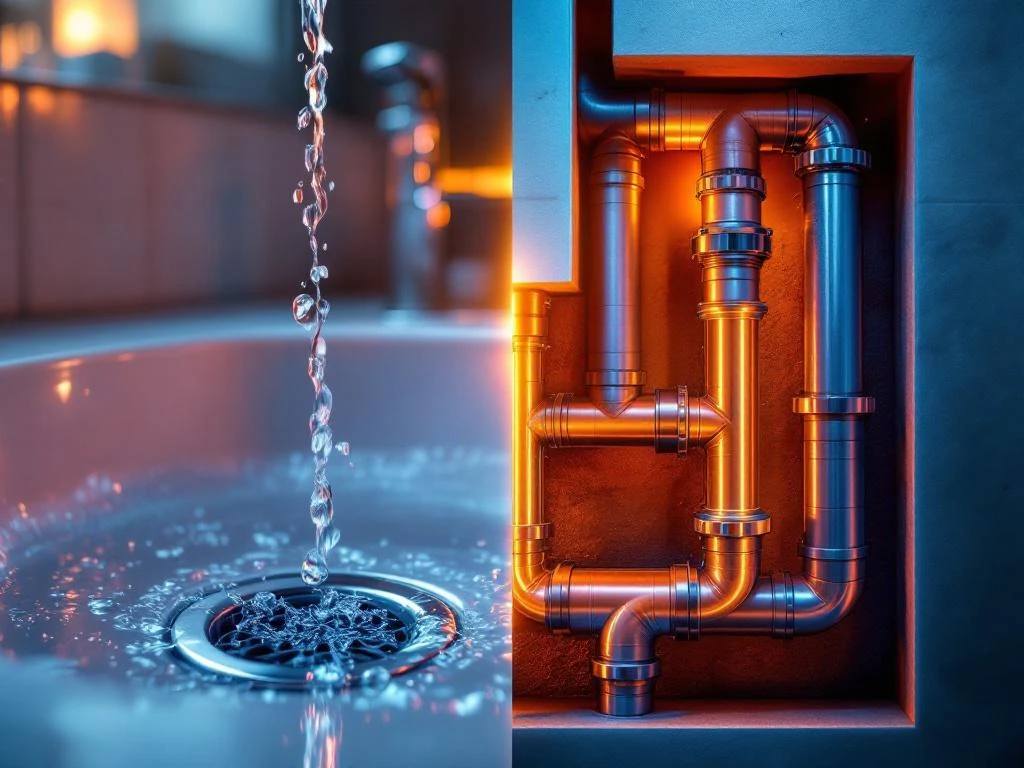
A clogged drain, on the other hand, is a blockage in the main pipe that collects wastewater from multiple installations in the home. When the drain is clogged, multiple drains are often affected at the same time. You may experience water coming up into the floor drain when you flush the toilet, or the water in the shower rising when you use the washing machine.
The difference is in the extent. A blocked sink drain is a small, local problem that is usually easy to fix. A clogged main drain is a larger problem that requires the help of a plumber, as it affects the entire drainage system in your home.
How can you tell if it's the sink or the main drain that's clogged?
You can identify whether it is the sink or the main drain that is clogged by looking at how many drains are affected. If only one sink is running slowly and water is not draining as normal, it is probably only the local drain that is clogged. If several drains in the bathroom or kitchen are having problems at the same time, it is probably the main drain.
Other signs that point to a clogged main drain include:
- Water coming up in floor drains or shower drains when you flush the toilet
- Gurgling sounds from multiple drains when using water
- Water rising in the toilet when you empty the sink
- Unpleasant odor from several drains in the home
- Slow drain in several installations at the same time
A simple test is to let the water run in your bathroom while observing other drains. If the water is affecting places other than where you are releasing it, you probably have a drain problem in your main line. This is a sign that you should contact a plumber quickly to prevent the problem from getting worse.
What are the most common reasons why sinks and main drains become clogged?
Clogged sinks are most often caused by hair, soap scum and grease that collect in the drain pipe directly under the sink. In the kitchen, food scraps, coffee grounds and grease are the most common culprits. These substances stick to the pipe wall and build up layers that gradually clog the drain. Small objects such as jewelry or hairpins can also fall down and cause a blockage.
For clogged drain pipes in the washbasin:
- Hair tangled with soap residue
- Fat residues from cooking that solidify in the pipes
- Toothpaste and other hygiene products
- Small objects falling down the drain
There are other causes of clogged drains. Tree roots penetrating older drain pipes are a common problem, especially in homes with old clay pipes. Over time, deposits of grease, soap, and toilet paper can also build up in the main line. Items that are not meant to be flushed down the toilet, such as wipes or sanitary pads, can also cause major blockages.
When you understand the cause, prevention becomes easier. For the washbasin, it helps to use hair catchers and avoid flushing grease down the sink. For the main drain, regular maintenance and proper use of the toilet are important to avoid costly repairs.
Can you fix a clogged sink yourself or do you need a plumber?
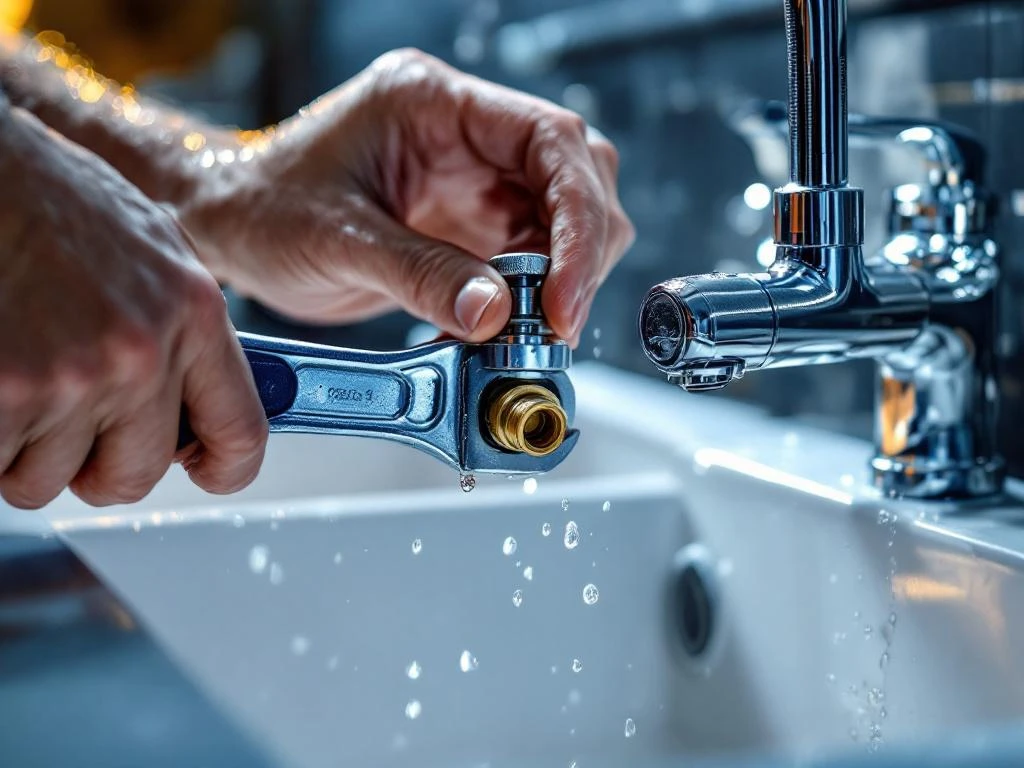
You can often fix a clogged sink yourself if the problem is small and localized. A suction cup (plunger) works well for smaller blockages. Place it over the drain, fill with a little water, and pump vigorously up and down several times. You can also try turning off the siphon under the sink and manually removing hair and debris.
Simple methods you can try at home:
- Use suction cup with forceful movements
- Pour boiling water down the drain to dissolve grease residue.
- Unscrew the siphon and clean it thoroughly.
- Use a simple drain spiral to remove hair
You need plumbing help when the problem is larger or recurring. If your sink is running slowly even after you've tried simple solutions, the blockage may be deeper in the plumbing system. When multiple drains are affected at the same time, it's always the main drain that is the problem, and a professional plumber will need to fix it.
Warning signs that mean you should call us:
- The problem returns shortly after you fix it
- Several drains in the home are blocked at the same time
- Water comes up in unexpected places
- You smell sewage from the drains.
- The water is completely still and does not flow down at all
Do not use harsh chemicals such as drain openers. They can damage pipes and are often ineffective against larger blockages. For acute drain problems or when you are unsure, it is safer to contact a professional plumber who has the right equipment and experience to solve the problem without damaging the pipe system.
Call 401 24 700 for emergencies or visit our 24center.no for scheduled visits. We offer a wide range of services and help you around the clock with all types of drainage problems, from clogged sinks to blocked main drains. You can find our contact information on the website.
Vanlige spørsmål
How long does it usually take to fix a clogged main drain?
The time it takes to fix a clogged drain varies depending on the severity of the blockage and its location. A simple blockage can be cleared in 1-2 hours with a high-pressure washer, while more complex problems such as tree roots or damaged pipes may take several hours or require excavation. A professional plumber will be able to give you an estimate after inspecting the problem.
How often should I maintain my drains to avoid clogging?
To prevent clogged drains, clean siphons and use hair traps every 3-6 months. Pour boiling water down drains monthly to dissolve grease residue, and avoid flushing grease, coffee grounds, and food waste down the sink. For the main drain, professional high-pressure cleaning every 2-3 years may be a good idea, especially in older homes with nearby trees.
How much does it cost to have a plumber fix a clogged drain?
The price of fixing a blocked drain varies depending on the extent of the problem. A simple repair of a blocked sink usually costs between 1500-3000 NOK, while a blocked main drain that requires high-pressure flushing can cost 3000-8000 NOK. For urgent assignments outside of normal working hours, there is an additional charge. Contact us for a specific price quote based on your problem.
Is it safe to use baking soda and vinegar to unclog drains?
Baking soda and vinegar is a gentle and environmentally friendly method that can help with minor blockages, especially from soap scum and odors. Pour half a cup of baking soda down the drain, followed by a cup of vinegar, let it sit for 30 minutes, and flush with boiling water. This method is safe for your pipes, but works best as a preventative measure and for minor problems—not for major blockages or main drain problems.
Can a clogged drain damage my home if I wait to fix it?
Yes, an untreated blocked drain can cause serious damage. Standing water can overflow and damage floors, walls and furniture, which can lead to mold and rot. A blocked main drain can also increase pressure in the pipe system and lead to cracks or leaks. If you see signs of a blocked main drain, you should contact a plumber immediately to avoid costly water damage.
What should I NOT flush down the drain?
Avoid flushing grease, cooking oil, coffee grounds, food waste, hair, wipes, sanitary napkins, tampons, condoms, q-tips and other hygiene products down the drain. Even if something seems to disappear down the drain, it can accumulate in the pipes and create blockages over time. Only toilet paper, urine and feces should be flushed down the toilet, while sinks should only be used for water and soap.
How can I prevent tree roots from entering the main drain?
To prevent tree roots in drains, avoid planting trees near drains, especially if you have older clay pipes. Regular camera inspections can detect early signs of roots, and professional pressure washing can remove small roots before they become a major problem. In older homes, you may want to consider replacing old clay pipes with modern plastic pipes that are more resistant to roots.