Old electrical installations pose significant hazards to homeowners and renters in Norway. The most critical risk factors include fire hazards, short circuits, lack of ground fault protection and overloading of circuits. Older installations from before the 1990s rarely meet today's safety standards and are not sized for modern electrical needs. Deteriorating insulation and outdated components significantly increase the risk of electrical hazards in the home.
What are the most common dangers of old electrical systems?
The most critical hazards of outdated electrical installations include fire hazards , short circuit risks, lack of ground fault protection, overloaded circuits, and worn insulation. Old installations often lack modern safety features such as ground fault circuit interrupters, which increases the risk of electric shock and fire. Older wiring has insulation that cracks and becomes brittle over time, which can lead to dangerous short circuits.
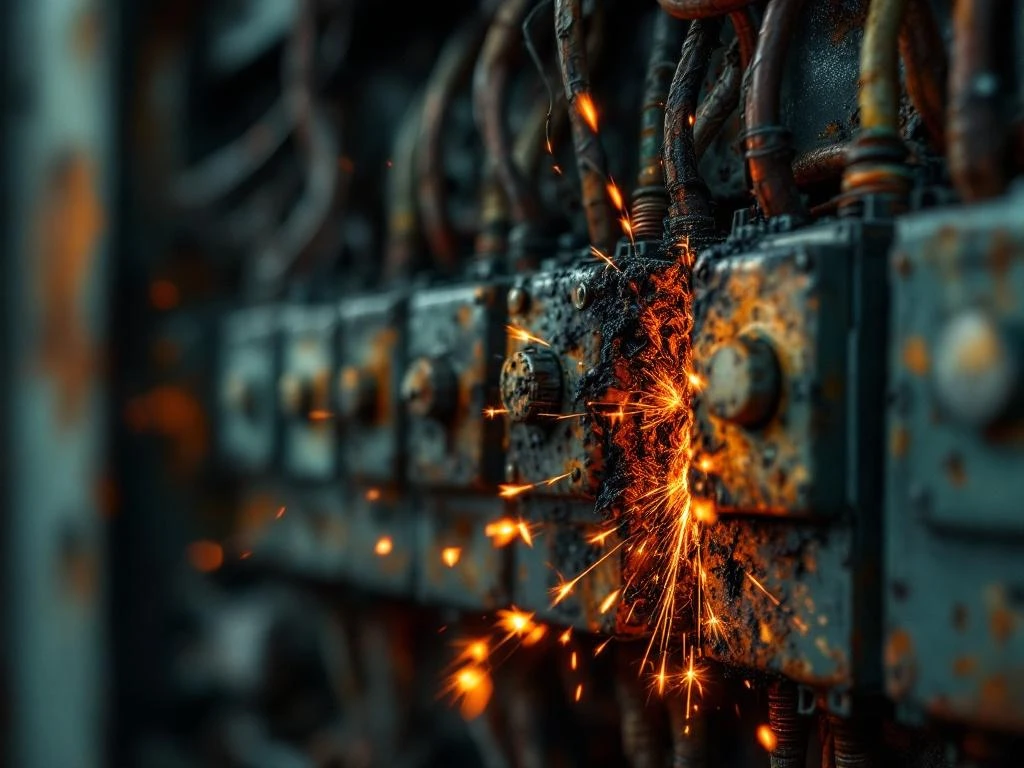
Fire is the most serious risk with old electrical systems. When the insulation around wires breaks down, sparks and heat can be generated that ignite flammable materials in walls and ceilings. Many older homes also have aluminum wiring that requires special attention, as these can corrode and create poor connections that generate dangerous heat.
Overloading is another significant problem. Electrical systems from before the 1990s were designed for far fewer electrical devices than we use today. When you connect modern household appliances, heat pumps and chargers to an old system, you risk overloading the circuits. This leads to overheating of the wires and an increased risk of fire.
Lack of ground fault protection means that the system has no protection against current leaks. Without ground fault circuit interrupters, even small faults in appliances or wiring can lead to life-threatening situations where current leaks to metal surfaces or moisture. This poses a direct danger to everyone living in the home.
What signs indicate that the electrical system is dangerous?
Specific warning signs of a dangerous electrical installation include flickering lights , hot electrical outlets, the smell of burning plastic, frequent fuses, splashing from contacts, buzzing noises from the fuse box, and discoloration around electrical outlets. These signs indicate that the installation has problems that require immediate attention from a qualified electrician.
Flickering lights can indicate poor connections in the system or that the circuit is overloaded. If the lights dim when you turn on larger appliances, this is a clear sign that the system is not handling the current power demand. Hot sockets are a serious warning sign indicating poor connections or overloading. Sockets should never feel hot to the touch.
The smell of burning plastic or rubber is a critical danger signal. This means that the insulation around the wires is melting due to overheating, which can lead to a fire. If you experience this smell, you should immediately turn off the main switch and contact an electrician.
Fuses that blow frequently indicate that the system is overloaded or that there are short circuits. Many homeowners make the mistake of installing higher-rated fuses, but this eliminates the safety feature and significantly increases the risk of fire. Sparks or splashes from contacts, buzzing noises from the fuse box, and discoloration or soot around electrical outlets are all signs of dangerous electrical faults that require immediate action.
How old can an electrical system be before it becomes dangerous?
Electrical installations from before the 1990s often need upgrading to meet today's safety requirements. The lifespan of electrical installations varies, but components that are over 30-40 years old should be thoroughly inspected and replaced frequently. Age alone is not the only factor, but building standards and safety requirements have changed significantly over the years.
Systems installed before the 1960s often have textile-insulated wires that are particularly susceptible to degradation. These systems lack modern safety features and are rarely sized for today's power consumption. Installations from the 1960s to 1980s may have better materials, but still lack ground fault circuit interrupters and other important safety features that became standard later.
Building standards have changed significantly, especially after the introduction of stricter requirements for earth fault protection and capacity. Installations that have not been upgraded since installation rarely meet the current requirements of NEK 400, the Norwegian standard for low-voltage electrical installations.
It is important to understand that even relatively new installations can be dangerous if they have been poorly maintained or exposed to moisture damage. At the same time, older installations that have been professionally upgraded can be safe. A thorough inspection by a licensed electrician will give you the best answer as to whether your specific installation needs upgrading.
What is the difference between old and modern electrical systems?
Modern electrical installations have earth leakage circuit breakers , higher capacity for today's appliances, better material quality and follow the NEK 400 standard. Old installations often lack these safety features and are not dimensioned for modern power consumption. Technological developments in electrical safety have made new installations significantly safer.
Ground fault circuit interrupters are the main difference between old and new installations. These devices detect current leaks and interrupt the current in milliseconds, protecting against electric shock and fire. Older installations only have surge protectors or circuit breakers, which do not provide the same protection against ground faults.
Capacity is another critical difference. Modern systems are sized for heat pumps, electric vehicle charging, induction cookers and numerous electronic devices. Older systems often have only 16 amps per circuit and a lower total capacity, while new installations use 20-32 amps per circuit and have a higher total capacity.
Material quality has also improved significantly. New installations use cables with better insulation that can withstand higher temperatures and have a longer lifespan. Modern sockets and switches are constructed with better materials and safer connections. The NEK 400 standard places strict demands on all parts of the installation, from dimensioning and fuses to documentation and marking.
How can we help with outdated electrical systems?
We connect you with qualified electricians 24/7, every day of the year. Our network of authorized electricians has extensive experience in assessing and upgrading old electrical systems in Norwegian homes. You get quick access to professionals who understand the specific challenges of older buildings.
Our services for outdated electrical systems include:
- Emergency electrical assistance in case of danger – If warning signs such as sparks, a burning smell or hot contacts appear, a technician can be on site within one hour to ensure your safety.
- Thorough inspection and assessment – Professional review of older facilities with documentation of condition and recommendations for necessary measures
- Upgrading to modern standards – Complete modernization of electrical installations in accordance with NEK 400, including installation of earth leakage circuit breakers and increased capacity
- Preventive maintenance – Regular inspection and maintenance that extends the life of the plant and prevents dangerous situations
Electrical safety concerns should always be taken seriously. If you live in an older home or have noticed warning signs of problems with your electrical system, we recommend that you have a licensed electrician inspect your installation. Call 401 24 700 for emergencies or visit our website for scheduled visits. We ensure that you are connected to the right professional who can assess the system and take the necessary measures to protect you and your home. Please contact us for more information.
Vanlige spørsmål
How much does it cost to upgrade an old electrical system?
The cost of upgrading varies significantly depending on the size of the home, the condition of the system, and the scope of the work. A complete upgrade of the electrical system in an average apartment can cost between 80,000 and 150,000 kroner, while larger single-family homes can require investments of 150,000 to 300,000 kroner or more. A licensed electrician can give you an accurate quote after a thorough inspection of your specific system.
Can I upgrade the electrical system in stages, or does everything have to be done at the same time?
A phased upgrade is possible and can be a financially sensible solution for many homeowners. The key is to prioritize the most critical safety measures first, such as installing ground fault circuit interrupters and replacing hazardous components. An electrician can create a prioritized plan that allows you to spread the costs over time while addressing the most pressing safety risks immediately. Be aware that some measures may require more extensive work if they are to be done later.
Do I have to move out of the home during the electrical system upgrade?
In most cases, it is not necessary to move out during the upgrade, but it depends on the scope of the work. For minor upgrades, the electrician may work room by room, ensuring that parts of the home still have power. For major total upgrades, there may be periods of power outages, and in some cases it may be convenient to live somewhere else for a few days. The electrician will inform you of what to expect for your specific project.
How do I find out if my installation has a ground fault circuit interrupter?
You can easily check if you have a residual current device (RCD) by looking in your fuse box. RCDs are larger than regular fuses and have a test button marked 'T' or 'TEST'. If you find such a breaker, you should test it monthly by pressing the test button - the power should then be cut off immediately. If you cannot find RCDs in your fuse box, or are unsure, you should contact an electrician for an inspection.
Is it legally required to upgrade old electrical systems?
There is no general legal requirement to upgrade existing electrical installations solely due to age. However, if you make major changes or additions, the entire installation must be upgraded to the current standard. Homeowners also have a general responsibility to maintain a safe standard in the home, and in the event of a known hazard, measures must be taken. When selling a home, an electrical condition report must also be available that can reveal the need for an upgrade.
What is the most common mistake homeowners make with old electrical systems?
The most common and dangerous mistake is to install fuses with a higher value than the system is designed for when the fuses blow frequently. This removes the safety feature and dramatically increases the risk of fire. Other common mistakes include ignoring warning signs such as hot contacts or flickering lights, performing electrical work even without authorization, and using extension cords as a permanent solution instead of installing more sockets.
Does an old electrical system affect my insurance?
Yes, an outdated or defective electrical system can affect your insurance coverage. Many insurance companies require that electrical systems be properly maintained, and in the event of damage, they may reduce or deny compensation if the system does not meet safety requirements. When selling or buying a home, the insurance company will often require documentation of the condition of the system. It is therefore important to have regular inspections and necessary upgrades carried out.