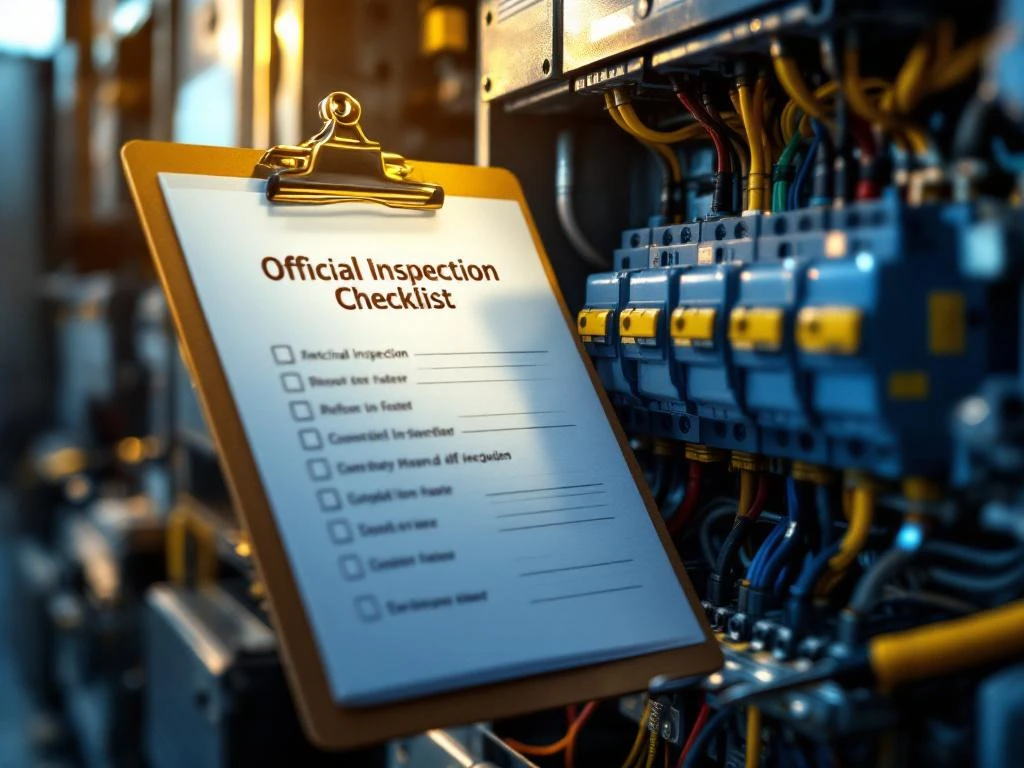
An electrical inspection is a systematic check of the electrical installations in your home. An authorized electrician checks that everything is working safely and in accordance with current regulations. The inspection helps you prevent fire, electric shock and other dangerous situations that can occur when electrical installations wear out over time. Here you will find answers to the most important questions about electrical inspections.
What is an electrical inspection and why is it necessary?
An electrical inspection is a thorough check of all electrical installations and systems in your home. A licensed electrician goes through the fuse boxes, wiring, sockets, lighting and other electrical components to ensure that everything is working safely and in accordance with current regulations.
Electrical systems naturally wear out over time. Insulation can become brittle, connections can loosen, and components can develop faults that are not visible to you as a resident. These problems can lead to short circuits, overheating, and in the worst case, fire . An electrical inspection reveals such faults before they develop into dangerous situations.
The inspection not only protects you and your family from electrical shock and fire. It also ensures that your home meets the requirements of your insurance policy. Many insurance companies require documentation of an electrical inspection, and lack of documentation can affect compensation in the event of a damage claim.
When should you have an electrical inspection of your home?
There are both statutory requirements and recommended intervals for electrical inspections in Norway. You must always carry out an inspection when buying and selling a home. The seller is responsible for documenting that the electrical system is in good condition before handover.
After major renovations or when replacing fuse boxes, you must also have an electrical inspection carried out. This ensures that new installations have been carried out correctly and that no errors have occurred during the work. An authorized electrical installer must approve the work before it can be put into use.
For periodic inspections, it is recommended to conduct electrical inspections based on the age of the system. Older homes with installations from before 1990 should be inspected more often, preferably every five years. Newer homes can wait longer between inspections, but it is a good idea to check the system at least every ten years. If you experience frequent fuse blows, odor problems or other irregularities, you should contact an electrician immediately for an inspection.
What is checked during an electrical inspection?
During an electrical inspection, the electrician systematically goes through all the important components of the electrical system. The inspection usually starts in the fuse box, where the electrician checks that all fuses and circuit breakers are working properly.
The electrician will test the RCD to ensure that it trips in the event of a fault. This is an important safety mechanism that protects you from electric shock. The earth connection, the insulation resistance of the wiring network and that all connections are solid and correctly made are also checked.
Sockets, switches and lighting are visually inspected and tested for wear, loose connections or other defects. The electrician also looks for illegal installations or modifications that could pose a safety risk. All findings are documented in a report that you will receive after the inspection. The report lists any discrepancies and recommendations for improvement.
What is the difference between electrical supervision and sweeping?
Electrical inspections and sweeping are two completely different types of statutory home inspections that cover different safety aspects. Electrical inspections focus on electrical safety , while sweeping and inspection of heating systems are about fire safety related to chimneys, fireplaces and ventilation systems.
A chimney sweep checks that chimneys and fireplaces are working properly and do not pose a fire hazard. This includes checking the draft, tightness and general condition of the heating system. Sweeping must be carried out annually or more often depending on the type of fireplace and use.
These different inspections complement each other in ensuring a safe home. While the electrical inspection reveals faults in the power supply and electrical installations, sweeping ensures that combustion systems do not pose a fire hazard. Both are important for the overall safety of your home, and you must ensure that both are carried out in accordance with current requirements.
Who can perform an electrical inspection?
Only an authorized electrician can perform electrical inspections in Norway. The authorization is issued by the Directorate for Civil Protection and Emergency Preparedness (DSB) and ensures that the electrician has the necessary competence and experience to perform the work safely.
There are different levels of authorization. An electrician with a trade certificate and authorization can perform most types of electrical work in homes. For larger and more complex installations, there may be a requirement that the work be performed by a centrally approved company with extended authorization.
When ordering an electrical inspection, you should always ask about the electrician's authorization and ask to see documentation. Also check that the company is registered in the Central Approval Register. Using non-authorized electricians can result in the inspection not being valid, and you risk problems with insurance and when selling the home. An authorized electrician gives you peace of mind that the work has been carried out in accordance with regulations and that the documentation is in order.
How can 24 Center help with electrical supervision?
We quickly connect you with authorized electricians who can perform electrical inspections in your home, no matter the time of day. Our nationwide network of qualified installation partners ensures that you get professional help when you need it.
Benefits of using our services for electrical supervision:
- Free customer service that answers immediately when you call
- Access to authorized electricians throughout Norway
- Fast response when needed, often the same day or next business day
- Both emergency and scheduled inspections available
- Professional execution from start to finish with complete documentation
Do you need electrical inspection in your home? Call 401 24 700 for emergencies or visit 24 Center for scheduled visits. We ensure that you are connected to the right professional who can be on site at the right time. Please contact us for more information.
Vanlige spørsmål
How much does an electrical inspection cost in Norway?
The price of an electrical inspection varies depending on the size of the home, the complexity of the installation and its geographical location. For a standard apartment or detached house, you can expect to pay between 3000-6000 kroner. Larger homes with more extensive installations will naturally cost more. It is a good idea to obtain quotes from several authorized electricians to compare, but always choose based on competence and not just price.
How long does an electrical inspection take?
A standard electrical inspection usually takes between 2-4 hours, depending on the size of the home and the condition of the electrical system. For a small apartment, it may be faster, while larger detached homes with extensions or garages may take longer. If the electrician discovers faults that require further investigation, it may take additional time. You should plan to be available for the entire period so that the electrician has access to all rooms and installations.
What happens if errors are discovered during the inspection?
If the electrician finds any faults, they will be categorized by severity in the inspection report. Critical faults that pose an immediate danger must be rectified immediately before the system can be used again. Less serious deviations are given a deadline for rectification, often within 3-6 months. You will receive a detailed report describing all deviations, recommended measures and a price estimate for rectification. After the faults have been rectified, the electrician must carry out a new inspection and issue approval documentation.
Can I prepare the home myself before the electrical inspection?
Yes, good preparation makes the inspection more effective. Make sure the electrician has free access to the fuse box, all rooms, basements, attics and any outbuildings or garages. Remove objects that block sockets and switches. It is advisable to have clear documentation from previous inspections or electrical work. It is also useful to note any problems you have noticed, such as flickering lights, the smell of burning plastic or frequent fuse blows, so that the electrician can examine these areas extra carefully.
Do I have to correct all discrepancies that are discovered immediately?
No, not all deviations must be corrected immediately, but it depends on the severity. Critical deviations that pose an acute fire or electric shock hazard must be corrected immediately. Serious deviations are usually given a correction deadline of 1-3 months, while less serious remarks may have a longer deadline or be recommendations without legal requirements. The electrician will classify each deviation and give you clear information about what is required by law and within what time frame. However, when selling a home, all significant deviations must be corrected before handover.
Does electrical supervision also apply to external installations such as garages and outbuildings?
Yes, the electrical inspection should include all electrical installations belonging to the property, including garages, outbuildings, exterior lighting and sockets. These installations are often more exposed to moisture and temperature fluctuations, which increases the risk of faults. Inform the electrician about all buildings and external installations on the property when you book the inspection, so that everything is included in the inspection and documentation.
How long is an electrical inspection valid?
There is no statutory expiry date for an electrical inspection, but its validity depends on the purpose and condition of the installation. When selling a home, the inspection is usually valid if it has been carried out within the last 1-2 years. Insurance companies may have their own requirements for how old the inspection can be. For periodic inspections, it is recommended to follow the aforementioned intervals based on the age of the installation – every 5 years for older homes and every 10 years for newer ones. If changes are made to the electrical installation, a new inspection of the affected parts must be carried out.