Common plumbing work involves the installation, maintenance and repair of water pipes, drains, sanitary equipment and heating systems in the home. This includes both urgent tasks such as water leaks and blocked drains, as well as planned jobs such as bathroom renovations and the installation of new fixtures. A professional plumber handles everything from small repairs to larger installation projects, ensuring that all work is carried out in accordance with applicable regulations and standards.
What is considered regular plumbing work in the home?
Standard plumbing work in the home includes the installation and maintenance of water supply, drainage systems, sanitary equipment and heating systems. This includes repairing leaks, replacing taps and mixers, installing toilets and washing machines, as well as working with water heaters and radiators. Plumbers also handle larger projects such as bathroom renovations, kitchen installations and upgrading plumbing.
Plumbing tasks are often divided into three main categories: installation, maintenance and repair. Installation work involves fitting new systems and equipment when you are building or renovating. This can be anything from laying new water pipes in walls and floors to installing complete bathrooms with showers, bathtubs and underfloor heating.
Maintenance work is about keeping existing systems in good condition. This includes checking valves, seals and gaskets, cleaning drains, and adjusting heating systems. Regular maintenance prevents many common problems and extends the life of installations.
Repair work is performed when something goes wrong or stops working. Typical repairs include sealing leaks, replacing defective parts, repairing leaking faucets, and correcting poor water pressure. We handle both minor adjustments and more extensive repairs that require the replacement of major components.
When do you need to contact a plumber?
You should contact a plumber for visible water leaks, clogged drains that cannot be fixed with standard methods, running toilets or faucets, poor water pressure, or if you are experiencing problems with your water heater. Planned projects such as bathroom renovations, installing new appliances, or upgrading plumbing systems also require professional plumbing assistance. If you are unsure whether the problem requires professional expertise, it is always safer to contact a plumber for an assessment.
Emergency situations require immediate response. Water leaks from pipes, burst pipes, or large amounts of water on the floor can cause extensive damage in a short time. In such cases, you must turn off the main water tap and contact a plumber immediately. Other urgent problems include a completely clogged toilet when it is the only toilet in the home, or a sudden lack of hot water in the winter.
Minor problems can often wait until the next business day, but they shouldn't be ignored. Dripping faucets, slow-draining sinks, or noises from pipes are all signs that something is not working properly. While these problems aren't urgent, they can develop into more serious problems if left untreated.
Some situations can be handled by yourself with simple tools and a little guidance. Replacing a shower head, cleaning a drain with hair remover, or adjusting a float valve in a toilet are examples of tasks that do not always require professional help. We are happy to advise you over the phone on how to solve minor problems yourself, and help you assess when a professional visit is necessary.
What is the difference between emergency and planned plumbing work?
Emergency plumbing jobs are urgent jobs that require immediate response to prevent damage or restore critical functions. These include water leaks, burst pipes, major blockages, and urgent water heater problems. Scheduled plumbing jobs are jobs that can be scheduled well in advance, such as bathroom renovations, installing new fixtures, or routine maintenance. Response times vary from under an hour for emergency jobs to an agreed-upon time within a few days for scheduled jobs.
In emergency situations, rapid response is prioritized to minimize damage. Water leaks can cause extensive damage to floors, walls, and furniture in a short time. Pipe bursts can cause water to seep into the floors below. In such cases, a plumber will quickly come out to stop the leak, assess the extent of the damage, and make any necessary repairs. The goal is to get the situation under control and restore normal function as quickly as possible.
Scheduled jobs allow for thorough preparation and execution. When renovating a bathroom or installing a new kitchen, the plumber can plan the work in detail, order the right materials and allocate sufficient time. This results in better quality and fewer surprises along the way. Scheduled maintenance, such as checking heating systems before winter, can also be arranged at a time that suits you best.
Pricing varies between urgent and scheduled work. Urgent assignments in the evenings, on weekends or on public holidays have a higher hourly rate than regular daytime work. This reflects the need for 24/7 availability and rapid response. Scheduled jobs are normally priced at regular rates, and you will receive a clear quote before the work begins.
What tools and materials do plumbers use?
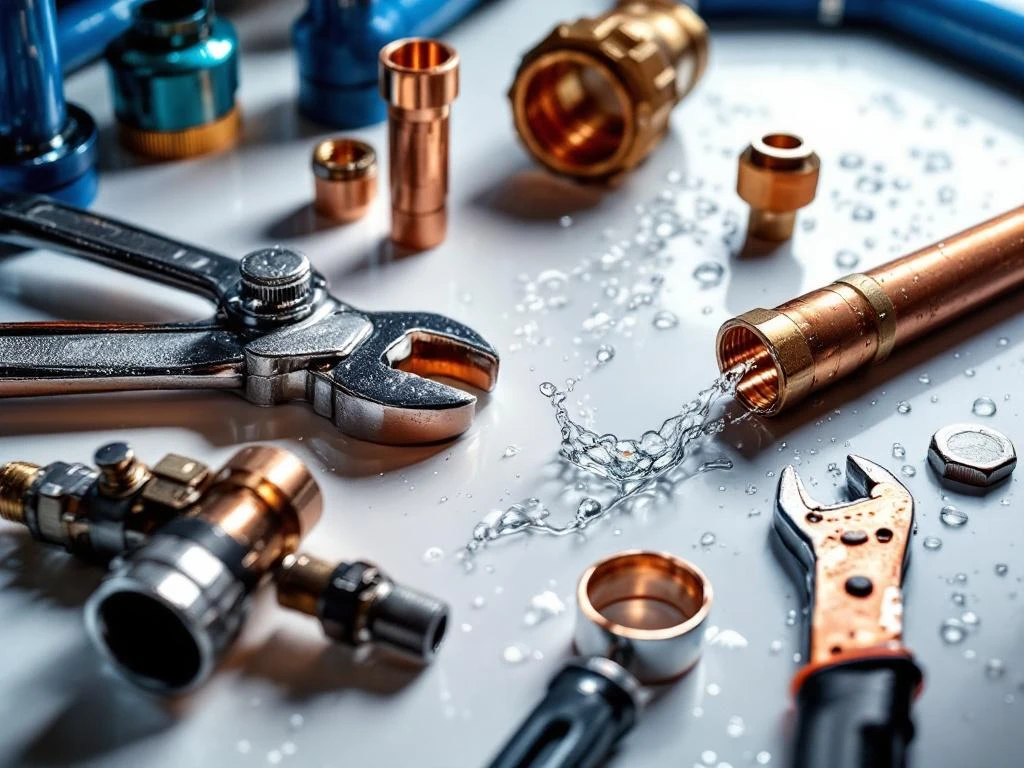
Professional plumbers use specialized equipment for diagnostics, repairs, and installations. Standard tools include pipe cutters, threading tools, soldering irons, torque wrenches, and pressure testing equipment. Pipe inspection cameras, leak detectors, and pressure testing pumps are used for diagnostics. Materials range from copper and PEX pipes to PVC drain pipes, sealing tape, gaskets, and various types of fittings. Modern plumbers also have equipment to locate pipes in walls and floors without damaging surfaces.
A plumber’s toolbox contains both traditional hand tools and advanced technology. Pipe cutters provide clean cuts in various materials, while threading tools are used to create threads on metal pipes. Soldering irons are essential for joining copper pipes, and require professional expertise to ensure tight and durable joints. Torque wrenches ensure that connections are tightened to the correct specification without damaging threads or seals.
Diagnostic equipment helps plumbers identify problems without unnecessary demolition. Pipe cameras can inspect the inside of drain systems and find blockages, cracks or improperly installed connections. Leak detectors locate hidden leaks in walls and floors using sound or moisture measurement. Pressure testing equipment verifies that new installations are leak-proof before they are put into use.
Material selection depends on the application and applicable regulations. Copper pipes are used for water supply where high quality and long service life are important. PEX pipes are flexible and easy to install, especially in underfloor heating systems. PVC pipes are standard for drains and gutters. All materials are selected based on technical properties, durability and suitability for the specific purpose. We only use approved products that meet Norwegian standards.
Understanding what is involved in regular plumbing work will help you determine when you need professional help. Whether it’s an emergency leak or a planned renovation project, it’s important to contact qualified plumbers who have the right skills and equipment. We are ready to help you with all types of services , from small repairs to large installation projects. Call 401 24 700 for urgent matters or visit 24center.no for scheduled visits. You can also find all the necessary contact information on our website.
Vanlige spørsmål
How much does it cost to have regular plumbing work done?
The price varies depending on the complexity of the task and whether it is urgent or scheduled work. Simple repairs such as replacing a faucet can cost from 1500-3000 NOK including labor, while larger projects such as bathroom renovations can cost from 50,000 NOK and up. Urgent evening, night and weekend assignments have a higher hourly rate than regular daytime work. Always ask for a written quote before scheduled jobs start.
How long does it take before a plumber can visit?
For urgent matters such as water leaks and burst pipes, we can usually be there within 1-2 hours, depending on your location. For scheduled jobs, a time that suits you will be arranged, normally within 2-5 business days. For less urgent problems such as dripping taps or slow draining, you can often get an appointment the same week. Contact us by phone and we will assess how quickly you need help.
Do I need to prepare anything before the plumber arrives?
Make sure the plumber has free access to the work area by clearing away objects around the sink, toilet or wherever the problem is. In the event of an emergency leak, turn off the main water tap if possible and have towels ready. For planned jobs such as bathroom renovations, discuss with the plumber in advance whether any special preparation is needed. It is also a good idea to know where the main water tap and the fuse box are located.
Can I do some of the plumbing work myself to save money?
Simple tasks like replacing a shower head, cleaning a drain, or adjusting a float valve can be done by yourself with basic tools. Work that requires soldering, welding, or working on water mains should always be performed by a licensed plumber to ensure quality and compliance with regulations. Improperly performed plumbing work can lead to water damage and insurance issues. When in doubt, consult a plumber for guidance before starting yourself.
What does insurance cover for water damage from plumbing work?
Home insurance usually covers sudden and unexpected water leaks from pipes and installations, but not damage from lack of maintenance or known wear and tear. If you have done the plumbing yourself and it causes damage, the insurance may deny coverage. Therefore, it is important to use an authorized plumber for all work beyond the simplest tasks. Always contact your insurance company in the event of water damage to assess what is covered.
How do I find a reliable and qualified plumber?
Always choose a licensed plumber who is registered with the Central Approval for Enterprises (SGF), which ensures that they have the necessary professional competence and insurance. Ask for references from previous customers and check reviews online. A reputable company will give you written quotes before the work starts and provide documentation of the work performed. Avoid unscrupulous operators who offer improbably low prices or pressure you to make a decision quickly.
How often should I have maintenance performed on plumbing installations?
General maintenance should be done annually, including checking valves, seals and heating systems before the winter season. Water heaters should be checked every 2-3 years for deposits and function, while drains can be cleaned as needed or preventively once a year. For older installations over 30 years old, you should consider a more thorough inspection to identify potential problems before they become acute. Regular maintenance extends the life of installations and prevents costly repairs.